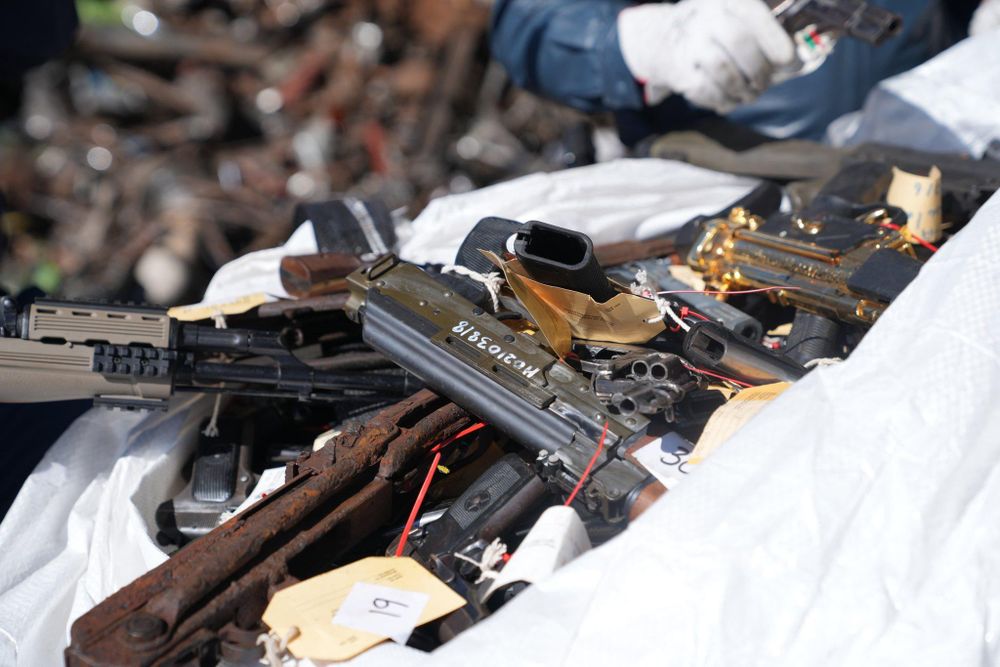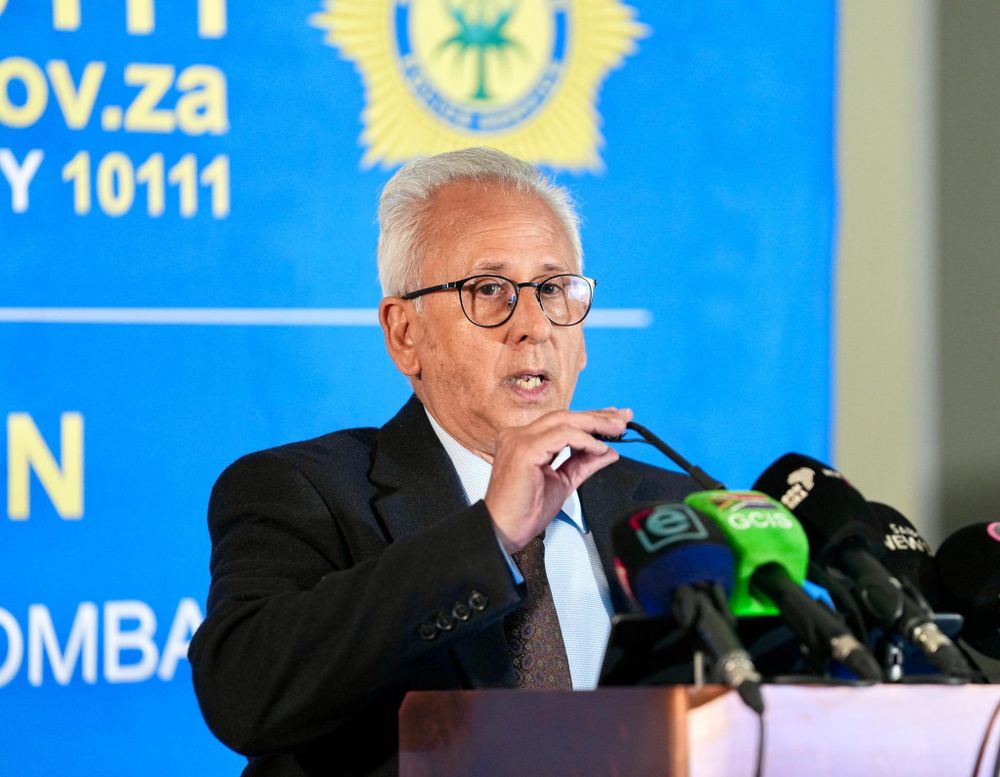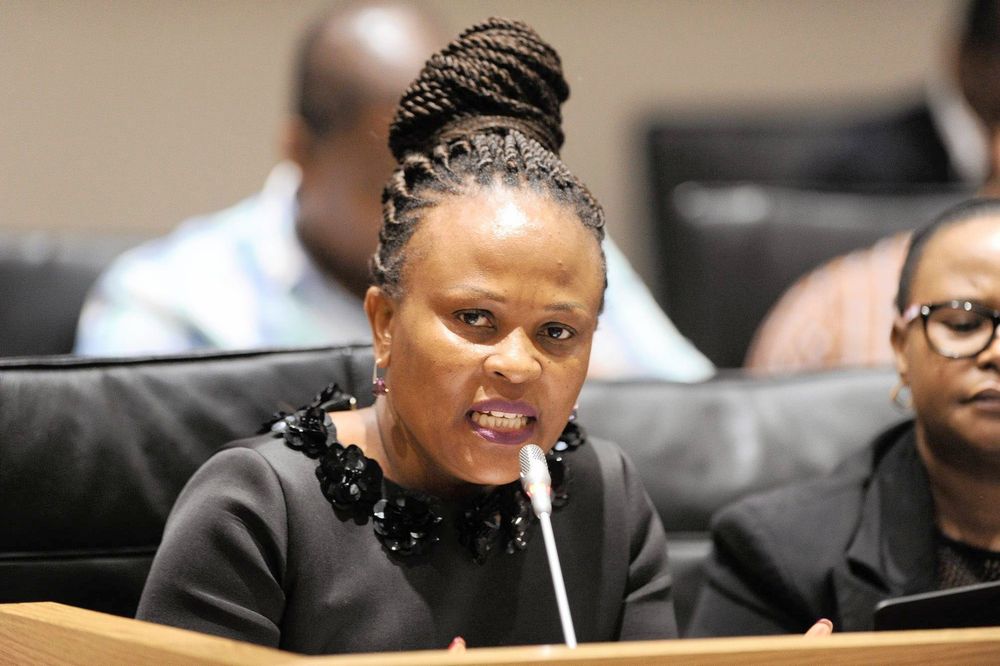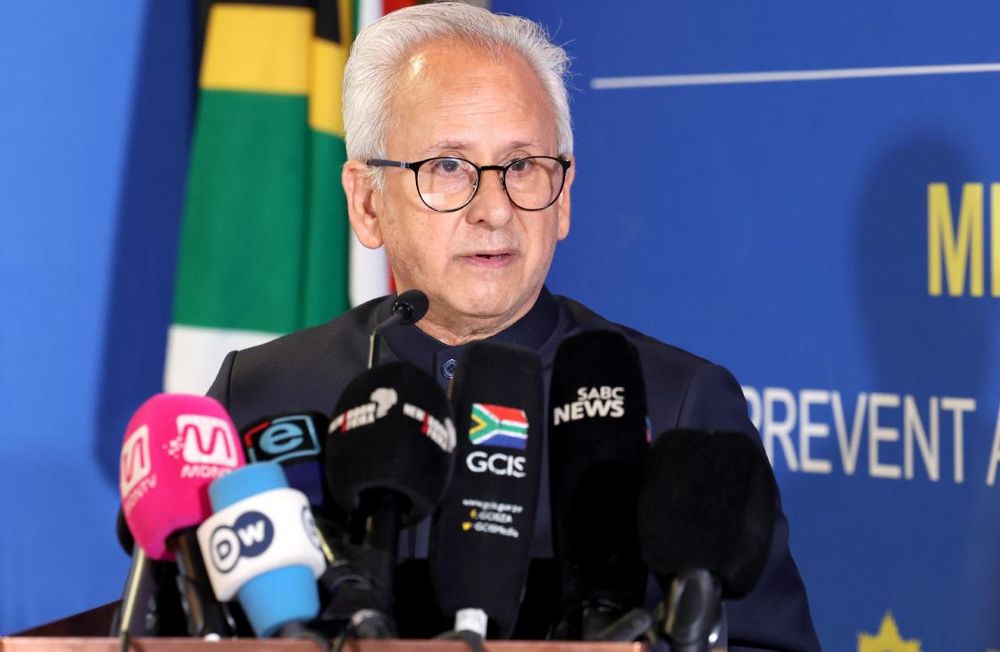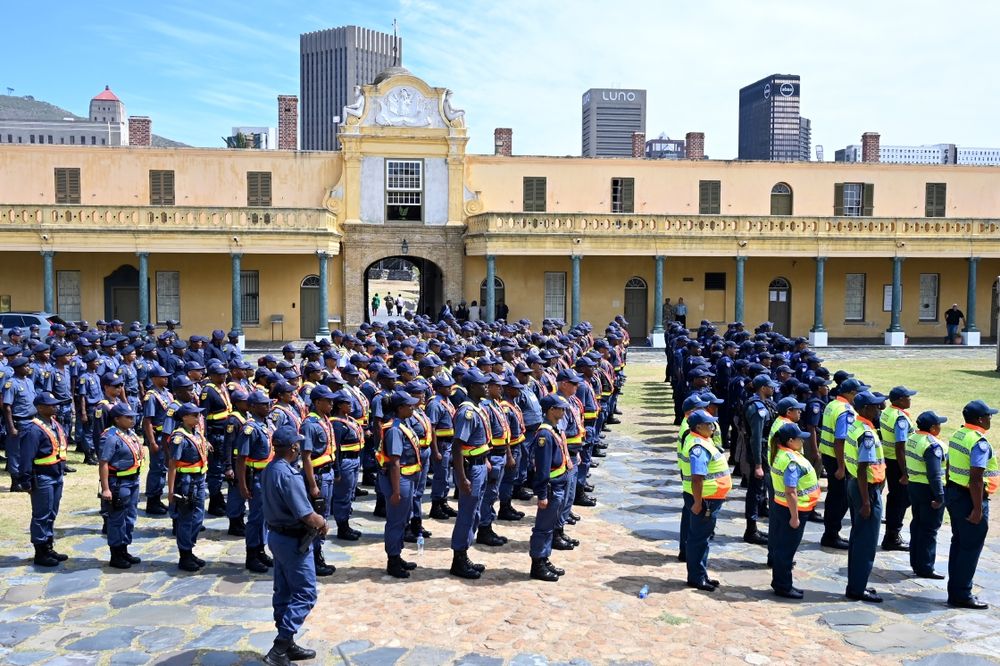
South Africa’s 2026/27 police budget lands at a defining moment for policing in South Africa. After years in which criminal syndicates have sunk deep roots into the economy and parts of the state, and revelations at the Madlanga commission have exposed senior police officers linked to organised crime, the government is promising a bold “Police Reset Agenda” and putting R127.1bn behind it this year, rising to R135.8bn by 2028/29. The objectives are to improve public trust in the South African Police Service (SAPS) through building organisational integrity, strengthening its intelligence and investigative muscle, dismantling organised criminal networks and targeting those that cause the most harm in communities. This is not a project that can happen in a single budget cycle. But this budget contributes to the laying of a foundation on which a multi‑year turnaround strategy will be implemented. Nevertheless, the direction is clear and the goals firm: building a capable, ethical, intelligence‑driven and community‑centred SAPS. At the heart of this agenda is a tension many South Africans feel every day. On the one hand, tens of thousands of police members still serve with courage and integrity, often at enormous personal risk. The media frequently carries stories of violent criminals engaging gun battles with the police and organised crime kingpins appearing in court. On the other hand, there are those within the SAPS that have “betrayed the badge” ― treating people badly, colluding with crooks, selling information, manipulating tenders and, in some cases, actively shielding criminal syndicates from justice. This budget does not indicate the start of the clean-up. In fact, the widely reported arrests and criminal charges against senior police officers stem from investigations that were already under way before the establishment of the Madlanga commisson. Nevertheless, the commission is playing a critically important role to improve accountability in policing, and the SAPS has established a dedicated task team to investigate its referrals. We can expect more arrests, charges and prosecutions to follow. The government is not waiting for the commission’s final report before taking action. The clean-up has already begun and this budget will ensure it continues. A priority is to strengthen the SAPS crime intelligence division so it becomes the sharp edge of policing. A turnaround strategy has been developed to better enable this function to infiltrate crime syndicates, flag emerging threats and enable targeted policing through high-quality information and analysis. Intelligence systems will be modernised to enhance lawful interceptions, financial analysis and integrated databases to track the flows of money, weapons, drugs and other illicit goods. Over the medium term, focus will be on additional specialised analysts, cyber experts and strengthened covert operations support. Given the threat violent and organised criminals pose to our country, this is not just a technical reform it is an existential one. The government is not waiting for the commission’s final report before taking action. The clean-up has already begun and this budget will ensure it continues. An additional priority is enhancing the detective service to better support the prosecution of violent criminals and those who run criminal enterprises, not only the foot soldiers they employ. Success will be measured by how many syndicates are disrupted, how many high‑level organisers and professional enablers are convicted and how much in criminal assets is seized and channelled into the Criminal Asset Recovery Account to fund further crime fighting. To support these objectives efforts are under way to improve forensic services (DNA, ballistics, digital forensics and chemistry). Strengthening cybercrime investigation capabilities is key, recognising that almost every major syndicate now uses digital tools and complex financial schemes. Specialised detective teams will target organised criminality such as extortion, kidnapping, infrastructure attacks and financial crime. Close attention will be given to the impact – are more well-dressed highflyers and so-called “businessmen” going to jail and losing their assets? Is there a reduction in violence, extortion, kidnapping and assassinations? One of the most far-reaching parts of the reset agenda lies in fixing procurement. The Madlanga commission has laid bare how corruption in this environment has cost the state hundreds of millions of rand that could have provided officers with the necessary tools, technology and better-maintained police stations. The SAPS is therefore in the process of overhauling its procurement and supply chain management systems, with technical support from the Government Technical Advisory Centre (GTAC) in the National Treasury. One of the most far-reaching parts of the reset agenda lies in fixing procurement. Professional and ethical police conduct is central to building public trust in the police so that it can improve public safety. The public must be able to experience police members as trained professionals who hold themselves to a high standard of ethical behaviour. The SAPS disciplinary regulations are now under review and efforts will be made to substantially enhance accountability for police misconduct. Most people are aware that while necessary, policing alone cannot solve South Africa’s crime challenge. This budget therefore signals increased support for the implementation of the Integrated Crime & Violence Prevention Strategy (ICVPS) that guides all government departments towards interventions that prevents crime and violence. For example, improved responses to gender-based violence, meaningful youth development, substance abuse prevention and tailored support to at risk schools and families. Efforts are under way to improve policing at 50 of the country’s highest‑crime precincts. These stations will undergo detailed assessments of leadership, staffing, infrastructure and detective performance, backed by a new monitoring system to assess whether resources are effectively targeting the people and places linked to the most harm. Community policing has a critical role to play. The Civilian Secretariat for Police Service (CSPS) is exploring the viability of a national community patroller programme with vetted, trained and managed local patrollers who will serve as visible deterrence in crime hotspots, helping to protect routes to work, school and clinics. The true measure of this budget will be in whether in the coming years communities start to feel the difference: more syndicate bosses in court; fewer illegal firearms on the streets; more stories of honest officers making a meaningful difference in the communities they serve and most importantly, a safer South Africa for all. • Newham is special adviser to police minister Firoz Cachalia.
GARETH NEWHAM | Police budget promotes professional policing and puts organised crime in the crosshairs
Task teams and new tech to disrupt organised crime and seize illicit assets
1,027 words~5 min read