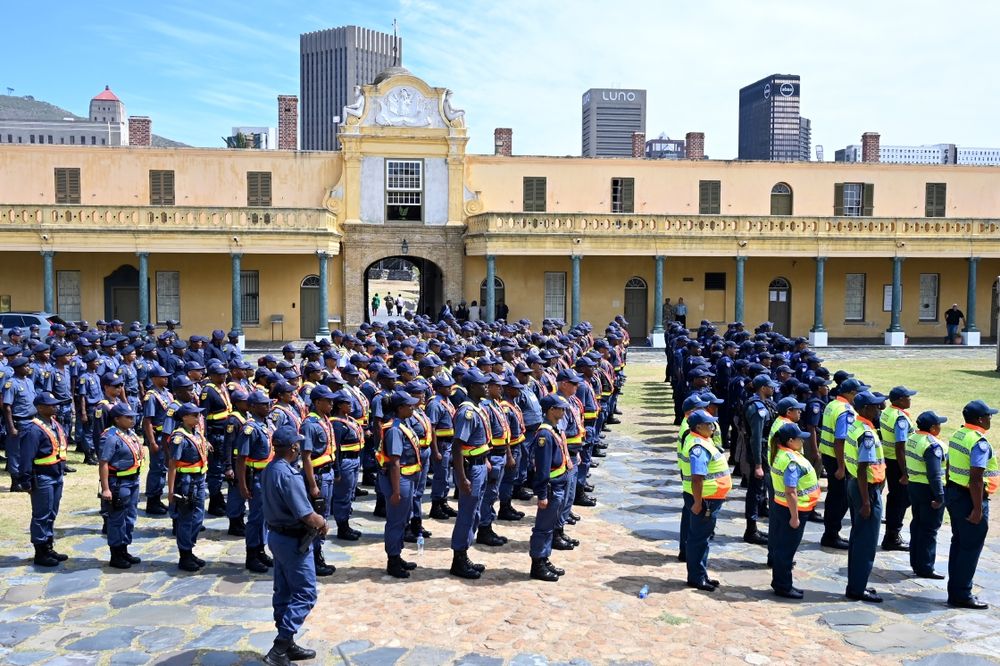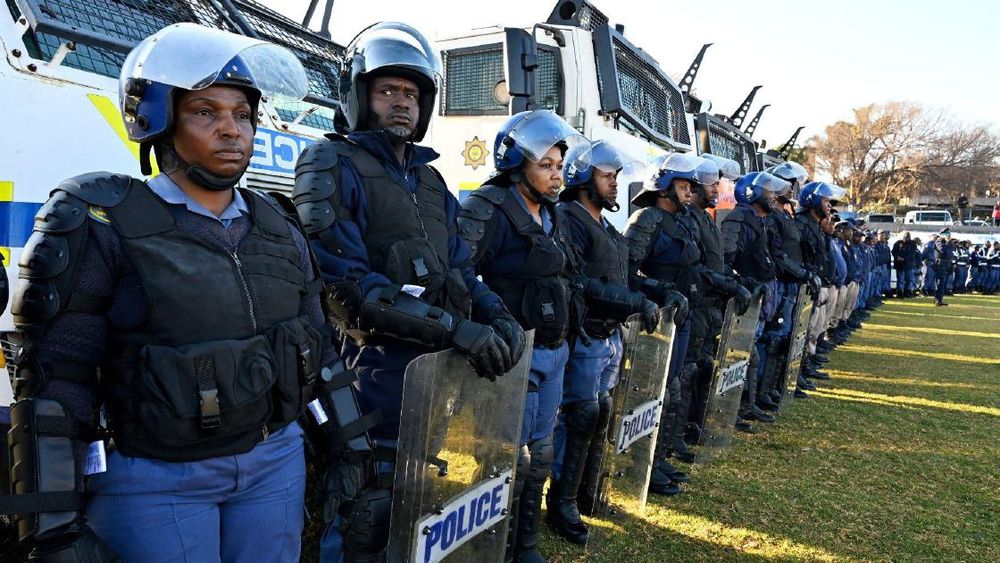
Acting Police Minister Firoz Cachalia released the fourth quarter crime statistics on Friday. The writer argues that SAPS should be rebuilt with support for the personnel who risk their lives.
Zingiswa Losi
When the South African Police Service (SAPS) released its latest crime statistics, workers listened. Not for headlines, but because crime is our daily reality. It is the hijacking of a teacher at 5am on the way to school. It is the nurse attacked after nightshift. It is the daughter who cannot walk home from work. For the working class, high levels of crime are a lived reality. Unless we defeat it, we will not fix the state, grow the economy, or create jobs.
Before 1994, policing was not meant to protect working class communities. Under apartheid, the police were used to suppress townships, break strikes, and defend privilege. Police stations were built in suburbs. Townships and rural villages were left unprotected. The democratic state had to transform policing. New stations were opened from Khayelitsha to Umlazi. Human rights were placed at the centre of law enforcement.
The decade of state capture inflicted massive damage with SAPS hollowed out. Crime Intelligence factionalised, procurement corrupted, skilled detectives left and specialised units disbanded. Today SAPS struggles with the basics of collecting evidence and securing convictions.