South Africans are witnessing a critical moment in policing reform. As inquiries expose systemic failures, are we ignoring the technological solutions that could transform our justice system?
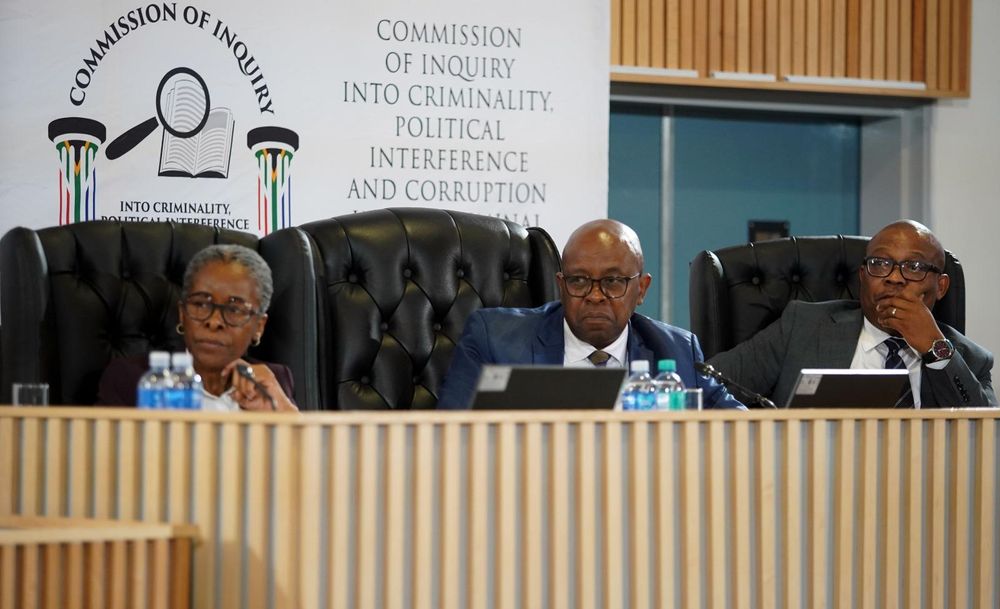
South Africans have watched the Madlanga Commission with disbelief and grim recognition. What initially felt like just another inquiry became something else entirely: a mirror held up to our fundamentally broken policing system. Assassinations. Senior officers in court. Evidence tampering. Dockets that disappear.
The Mkhwanazi Inquiry has also had a deep impact, forcing parliamentary action and political responses. It exposed a system in which the chain of justice itself can be interrupted or violently broken.
It is of course important to say that the majority of police officers serve with integrity and dedication, often under challenging conditions. Every day, they risk their lives in the line of duty. They deserve smarter, integrated tools that help them do their jobs safely, professionally and effectively, while strengthening accountability and public trust
All this matters because crime in South Africa is not an abstract policy issue. It is brutally present. Between January and March this year an average of 58 people a day were murdered.