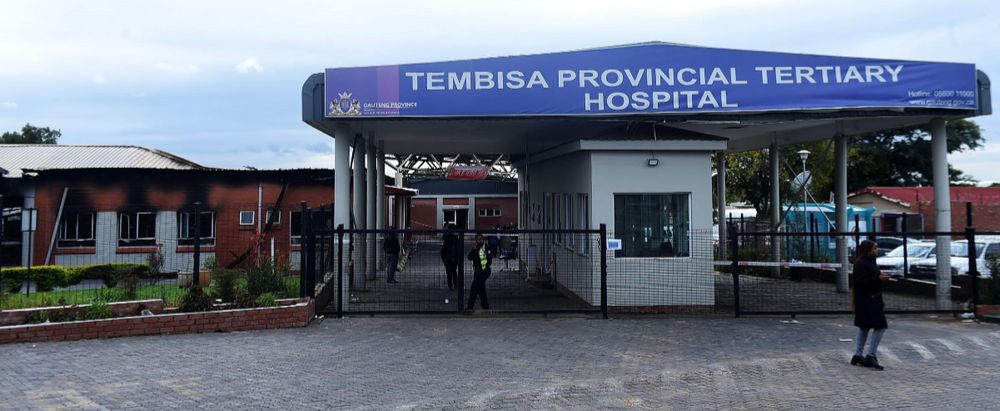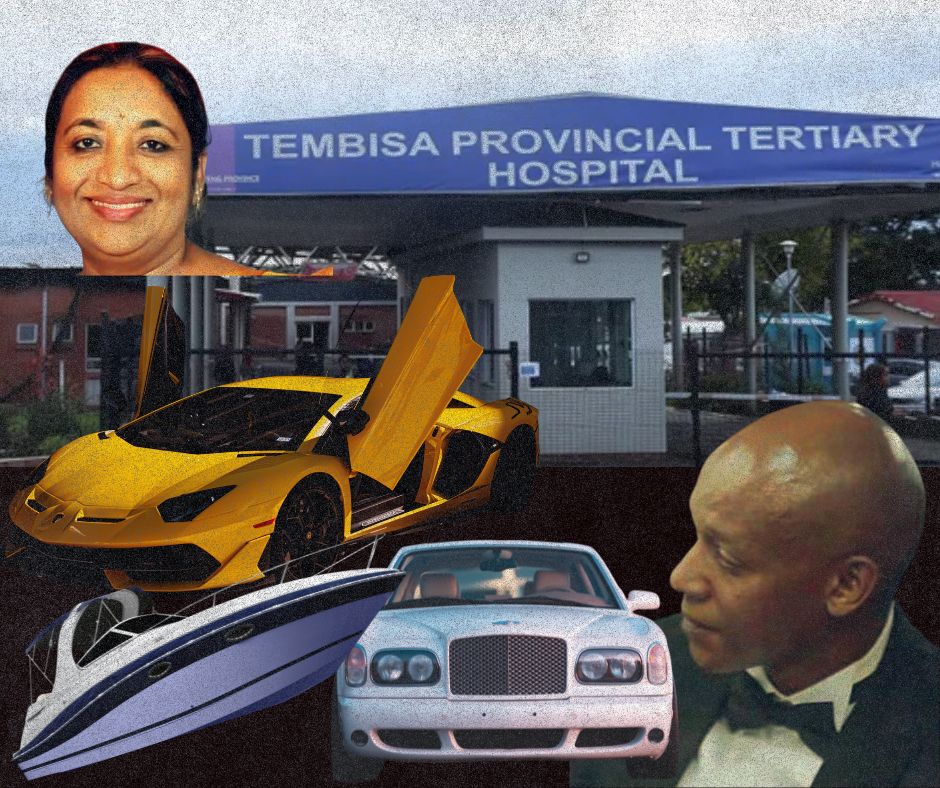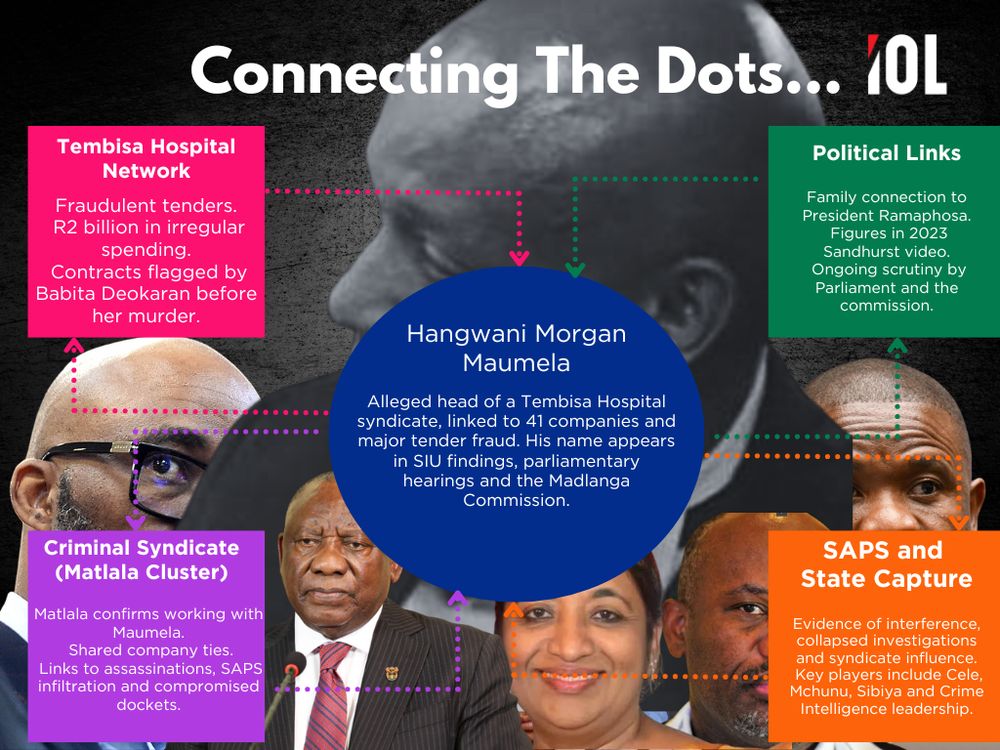
The Special Investigating Unit (SIU) says businessman Hangwani Maumela, a nephew of President Cyril Ramaphosa, who is the alleged central mastermind behind the looting of more than R2 billion at Tembisa Hospital, is yet to be charged.
The question facing South Africa is not why corruption exists, because that question has already been answered extensively through commissions, investigations, lived experience, and the public record.
The real question is why corruption so consistently survives contact with the state apparatus that formally designed to prevent it and why, despite layers of law, oversight, and institutional architecture, it continues to reproduce itself inside the very systems meant to contain it.This is not a moral paradox but an institutional one.
Corruption is often mischaracterised as a failure of ethics or individual character, when in reality it behaves far more consistently as a rational response to environments in which enforcement is uneven, consequences are delayed, accountability is fragmented, and the probability of punishment is sufficiently uncertain that actors within the system begin to treat rules not as binding constraints but as negotiable parameters within a shifting operational landscape.