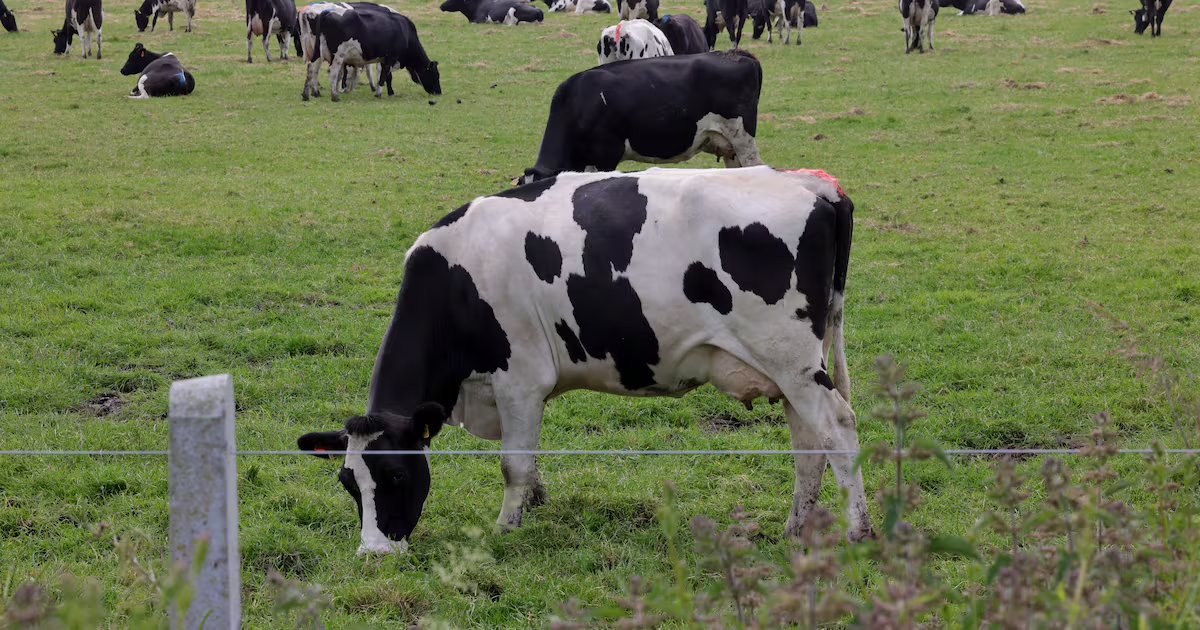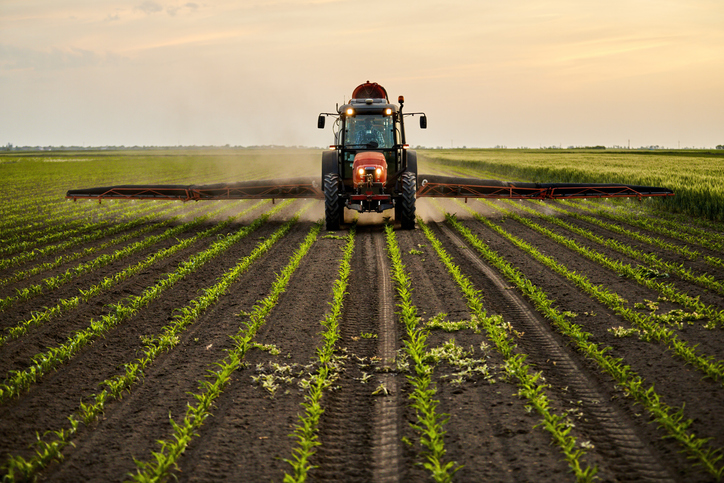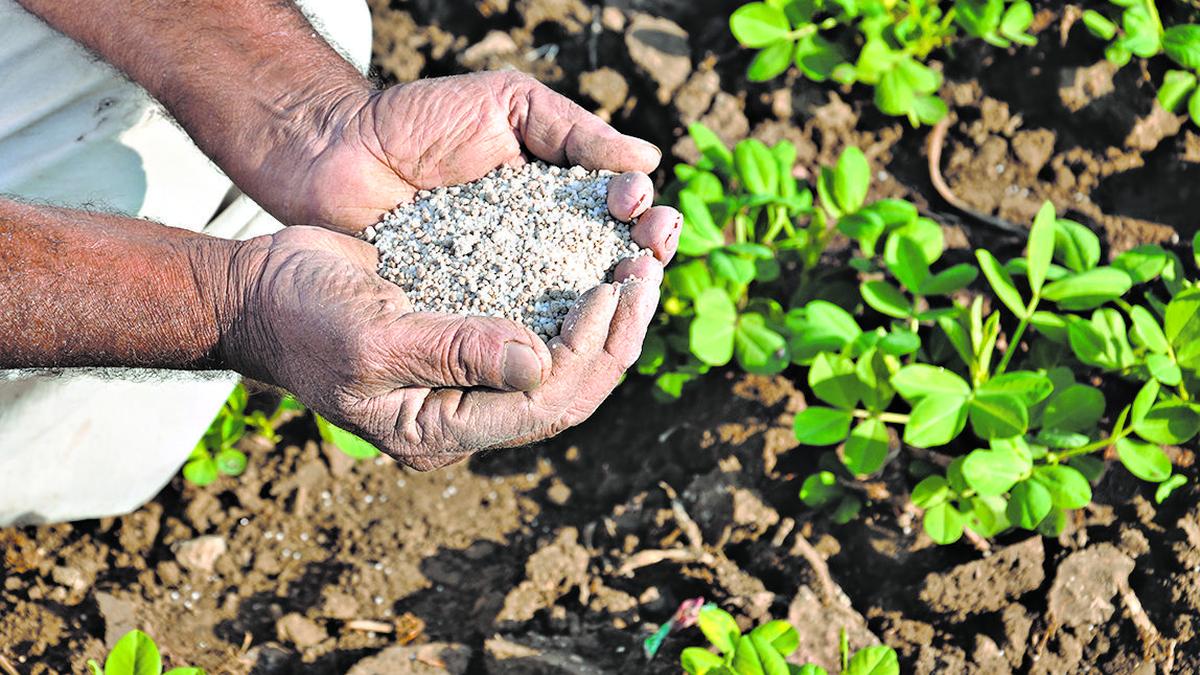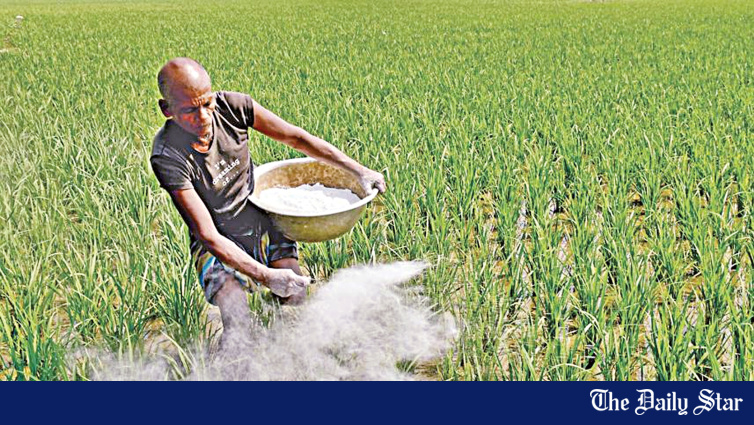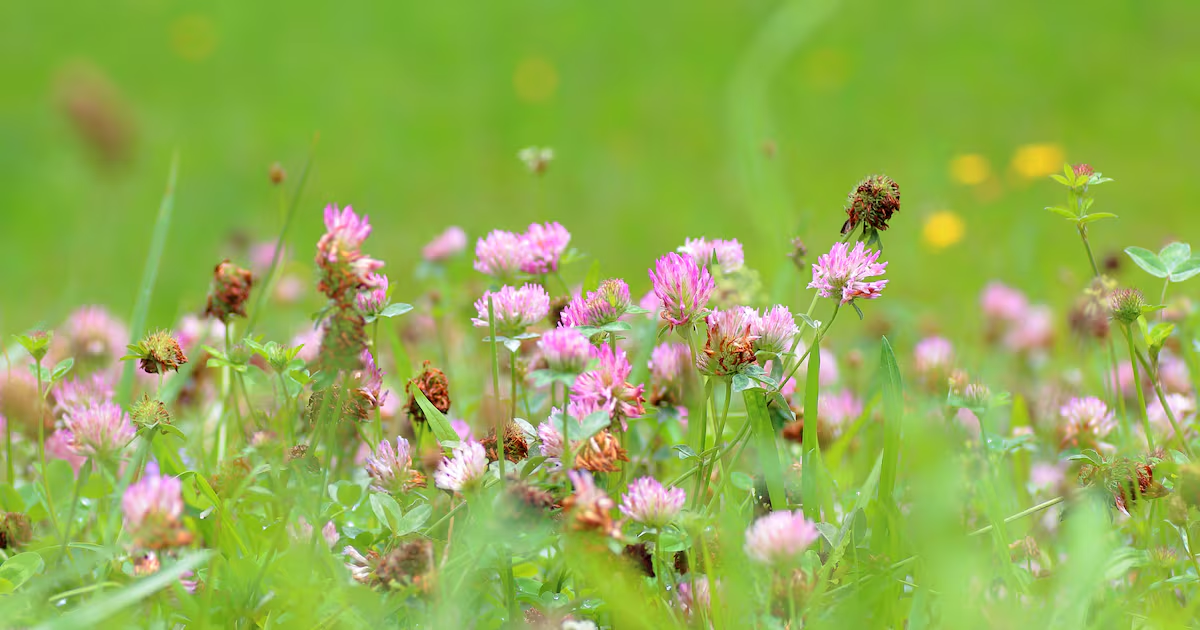
Payments for farmers to use natural methods to fertilise grass have been suspended despite a growing crisis in the supply of chemical fertiliser. The move by Minister for Agriculture Martin Heydon has been described as “completely nonsensical” by Social Democrats environment spokeswoman Jennifer Whitmore.Six months ago, Heydon said he was “delighted” at the interest farmers were showing in the two payment schemes, which were in place since 2022 and hailed by the Minister as important from an environmental and cost perspective. However, his department now says the effectiveness of the measures is being evaluated. “Until the review is complete, applications under both schemes will be paused and applications will not be accepted for 2026,” it said. Whitmore questioned the logic of this when the supply and cost of chemical fertilisers were reaching a crisis point.“It is completely nonsensical for the department to pull funding from this important programme while at the same time farmers are being absolutely hammered by high fertiliser prices because of the Iran war and fossil fuel costs,” she said. “Farmers need to be insulated from energy shocks and their impact on fertiliser prices and supported to move away from heavy fertiliser reliance. And yet here is the department doing the complete opposite.” The European Union last week announced an emergency Fertiliser Action Plan to try to secure supply and fair distribution of stocks and help farmers absorb the price shocks. Under the suspended schemes, €2.1 million was paid out last year to 1,200 farmers with payments averaging €1,750 and a ceiling of €6,000. The schemes supported the planting of red clover and multispecies swards in grassland. Red clover and the mixed grasses and herbs in multispecies swards excel at capturing nitrogen from the air and fixing it in the soil, where it can be absorbed by the rye grass and silage that livestock eat. Incorporating them into grasslands reduces the need to apply chemical nitrogen. Nitrogen run-off from agricultural lands is one of the main causes of pollution in the State’s struggling rivers, lakes and estuaries. While environmentalists have long advocated for using natural alternatives for nature’s sake, a switch away from chemical forms would also appear to make financial sense. State agricultural advisory agency Teagasc tells farmers on its website that “red clover builds soil fertility and boosts animal performance, making it an ideal option for farmers looking to cut nitrogen bills and grow top-quality forage”. It says multispecies sward have “noted animal health benefits” with “reduced animal wormers needed” and that “many believe they are higher in minerals and trace elements”. A drawback was that both approaches lead to greater weed control challenges, it says. The department did not say what issues gave rise to the review of the schemes.
Natural fertiliser aid schemes shelved despite rising cost of chemical variety
Six months ago, Minister said he was ‘delighted’ at interest farmers were showing in the scheme
456 words~2 min read