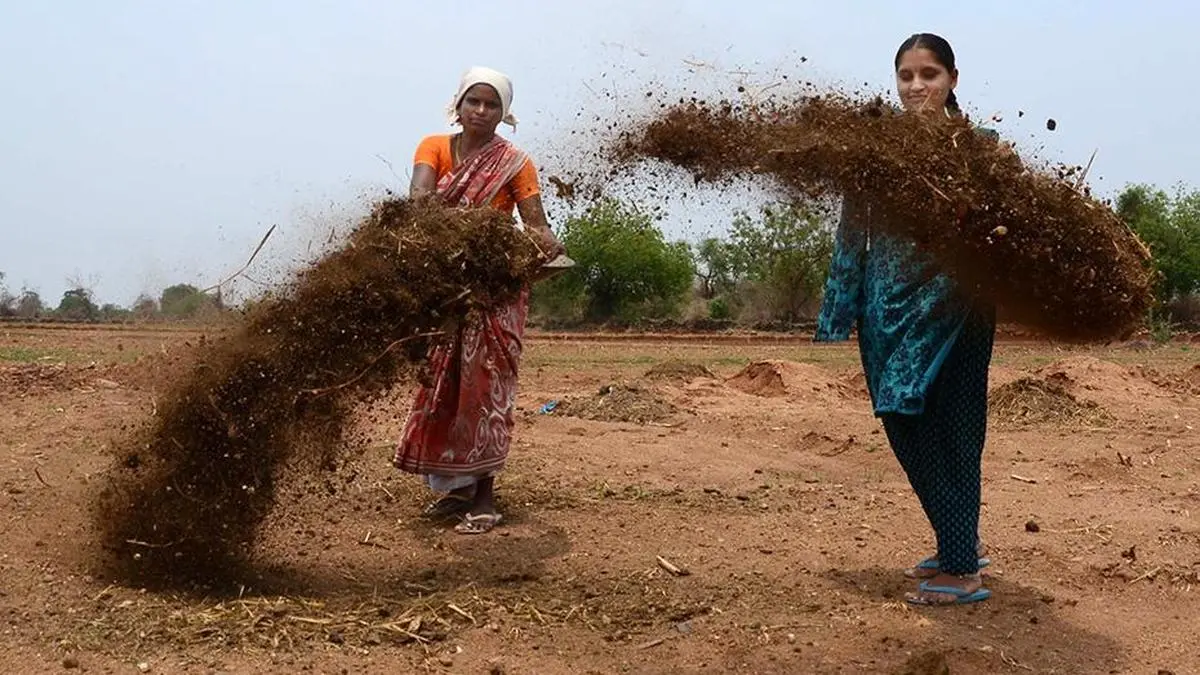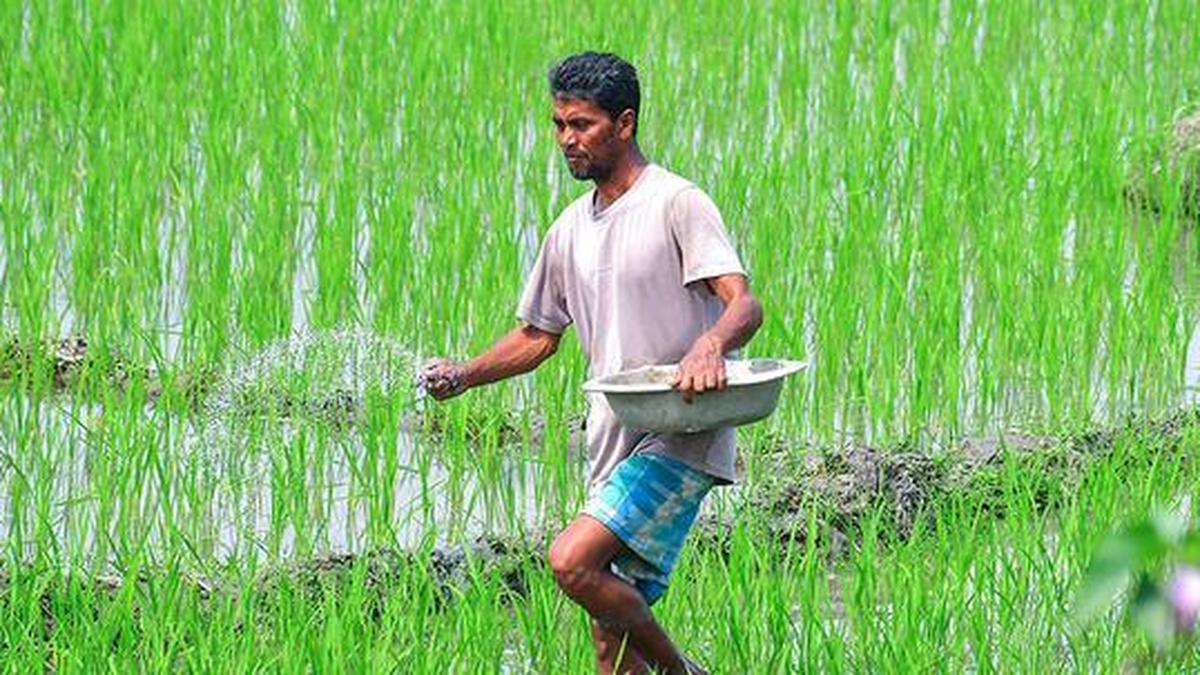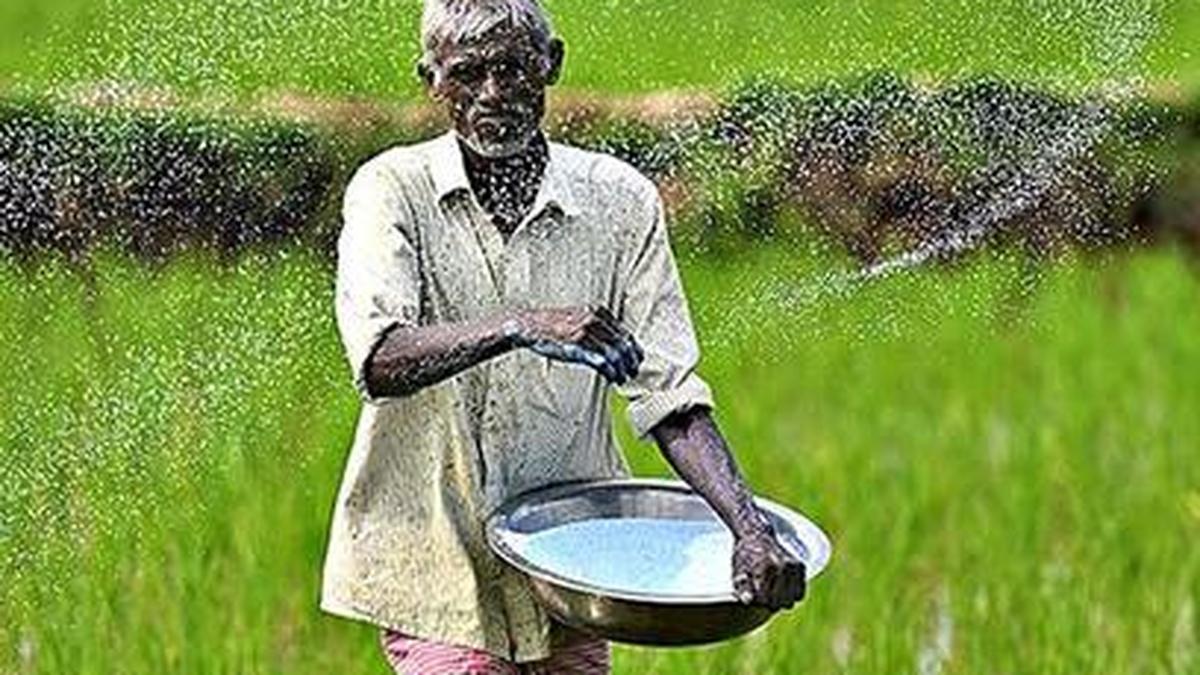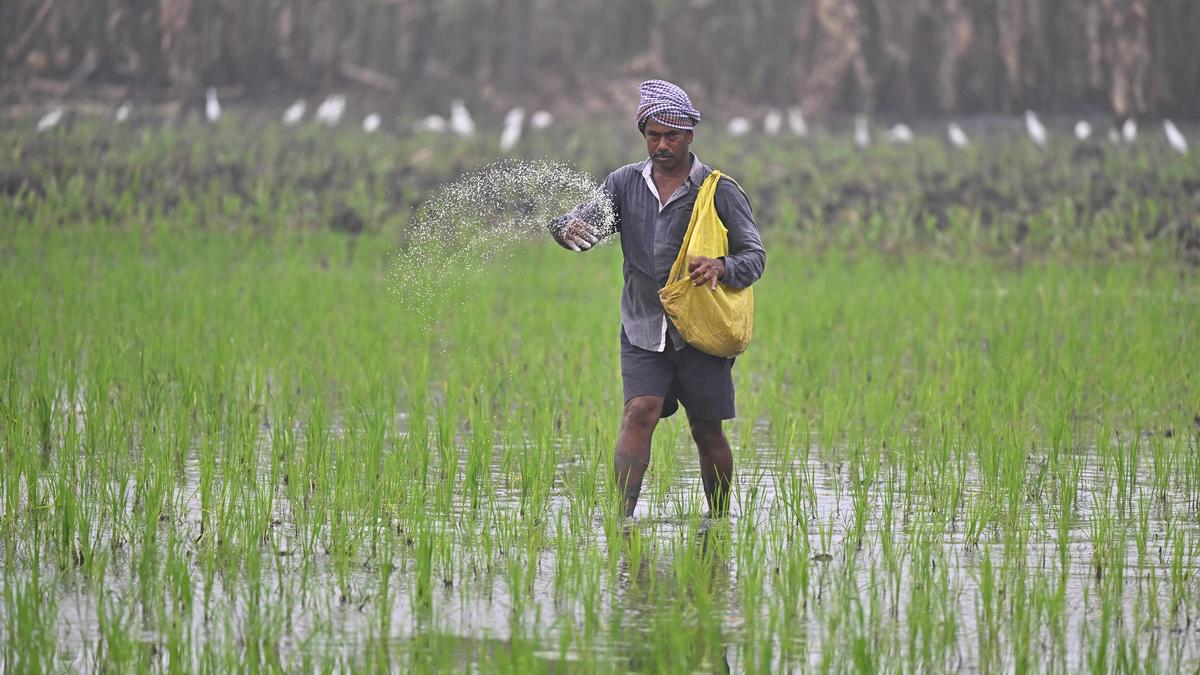
Non-subsidised fertilizers comprise highly specialised nutrients needed for balanced nutrition and for high-value crops.
| Photo Credit:
A recent ban imposed on the sale and distribution of non-subsidised fertilizers by the companies that also sell subsidised fertilizers, by Uttar Pradesh and Maharashtra, goes against the Centre’s broader push towards bio-fertilizers and could also hurt farmers interest in the two large agrarian States, the Fertilizer Association of India (FAI) has claimed, calling for the States to reconsider the order before the sowing season progresses further.While intended to curb the practice of “tagging” i.e. forcing farmers to buy non-subsidised products along with subsidised fertilizers, the directive hits use of non-subsidised fertilizers such as micronutrients, bio-fertilizers, water-soluble fertilizers and specialty products that are considered essential for balanced crop nutrition, the FAI has said in a recent appeal to Maharashtra’s Agriculture Minister Dattatray Bharane.“We request you to kindly intervene in the matter and ensure that the supply and sale of all fertilizers, including non-subsidised products, are permitted in Maharashtra,” the FAI said, seeking to safeguard farmers’ interests and maintain stability in an industry that is already hit by supply chain issues. It is also an arbitrary move at the Sates level given that the Fertiliser (Control) Order (FCO) is the relevant authority for the industry.Industry sources said the UP government brought in such a directive almost three months ago, and now the Maharashtra put out a similar directive on May 20. While subsidised fertilizers are mainly urea, DAP, MOP and complex NPKs, non-subsidised fertilizers comprise niche, highly specialised nutrients needed for balanced nutrition, and for high-value crops.Industry sources said the non-subsidized segment is almost a $1 billion industry today, and all top companies manufacture and deal in it, and have, over the years, invested in this infrastructure. The government too, over the last several years, has used to reduce dependence on urea and move towards balanced fertilization, and the ban on non-subsidised fertilizers in the select states is against this larger objective, the industry notes.“Such measures undermining the government’s own vision of integrated nutrient management and food security,” FAI said in its letter to Maharashtra.While acknowledging that tagging is a genuine concern, the industry is asking for a reasonable middle path, the executives who spoke to businessline note. The directive may be kept in abeyance through the Kharif season to avoid disrupting the sowing season, and a joint working group can be constituted including Department of Agriculture, the FAI, fertilizer manufacturers, dealer associations and farmer representatives, the industry body says.Published on May 24, 2026