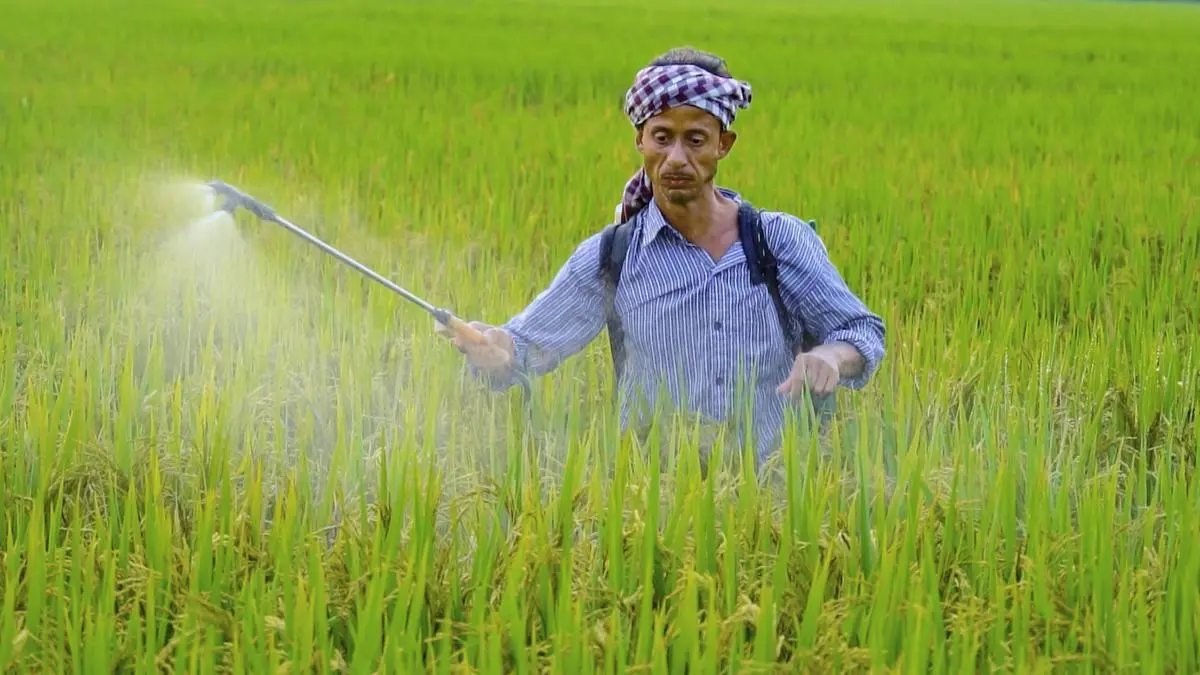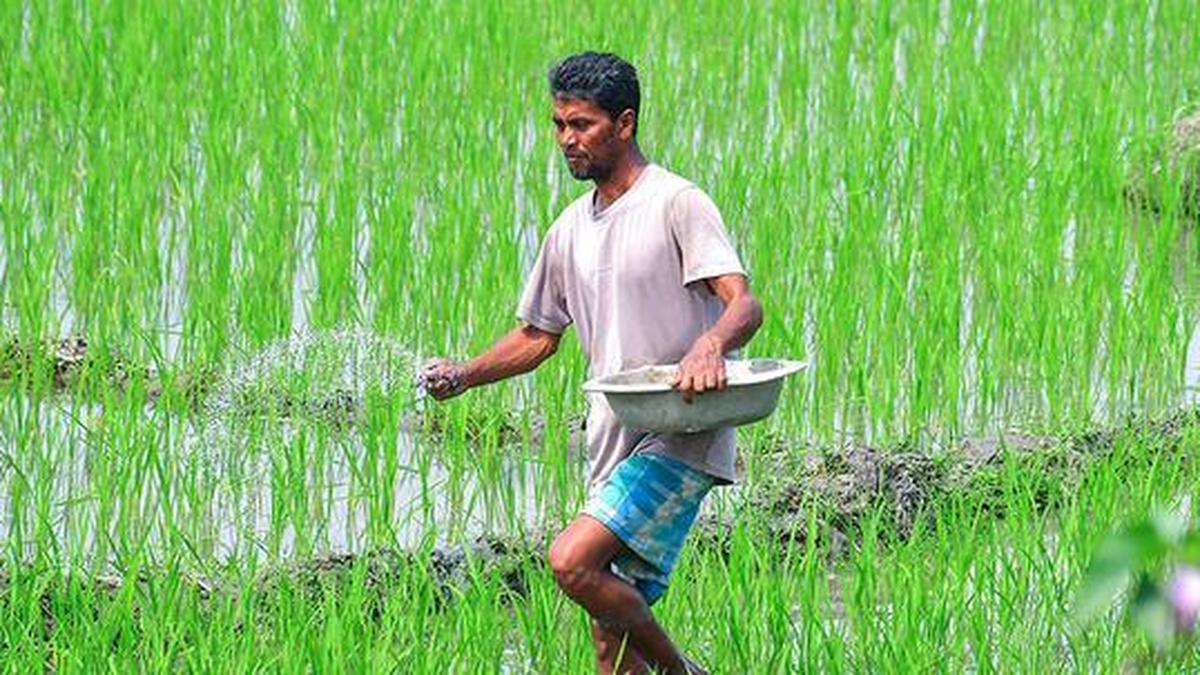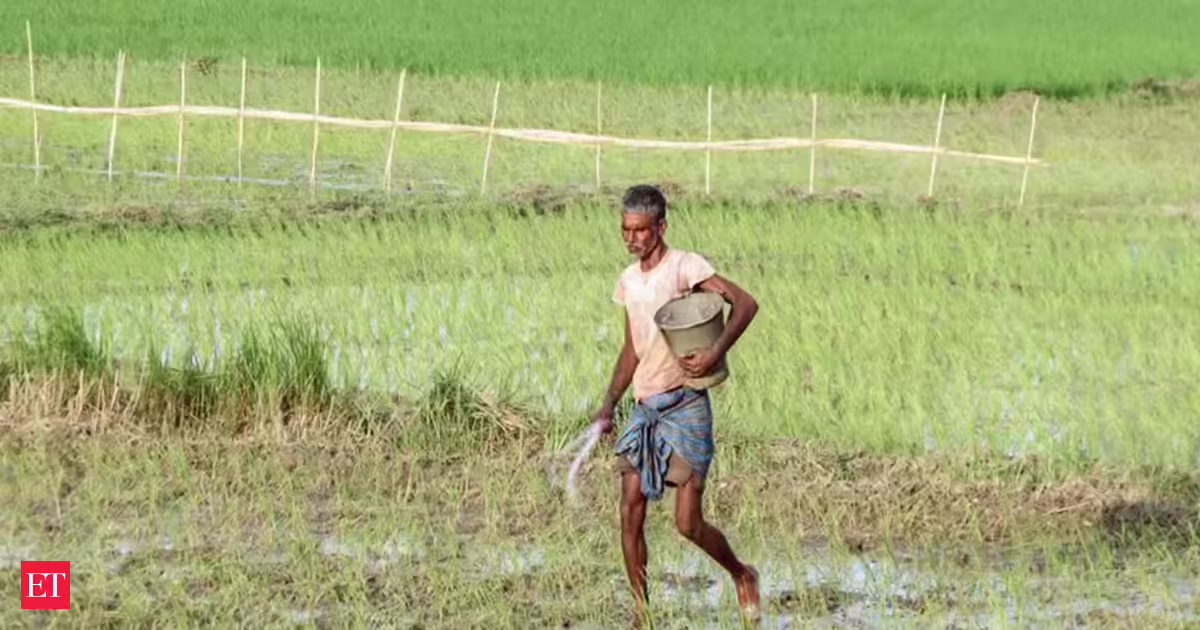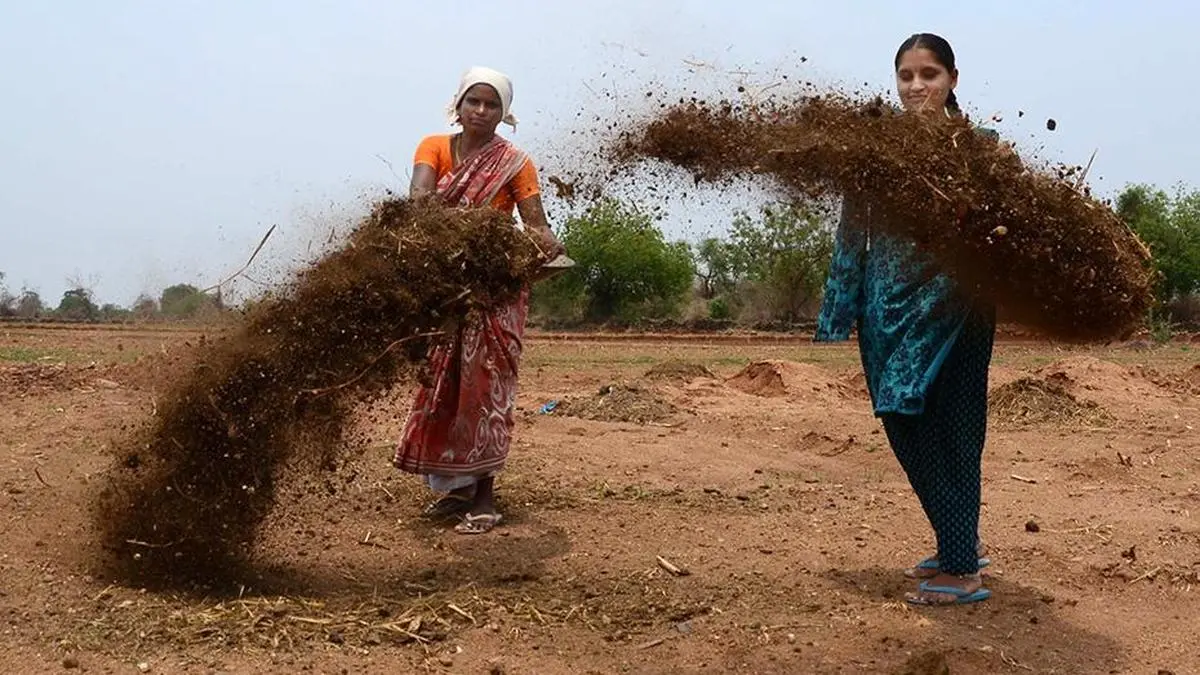
To eliminate “tagging,” several States have simply prohibited these outlets from stocking non-chemical alternatives altogether
| Photo Credit:
The Centre is considering ways to find a solution after some States imposed ban on sales of non-subsidised fertilizers by the retailers of subsidised fertilizers — Urea, DAP, MOP and complex — as it is feared that any scarcity in availability of biological inputs may further push up sales of chemical products, which the government wants to reduce.“It is wrong to put a ban on all non-chemical inputs as same fertiliser company cannot create a separate distribution network overnight. Tagging is bad, but this kind of ban is not the solution. States could have prohibited sales of some other products like pesticides by these outlets,” said an official source. This ban is also against the spirit of the Pradhan Mantri Kisan Sammrudhi Kendras (PMKSK).The move highlights a policy impasse over the retail ban on non-subsidized bio-fertilizers and a sharp conflict between immediate farmer protection and India’s long-term sustainable agriculture goals.To eliminate “tagging,” an exploitative practice where retailers force farmers to buy premium biological products alongside highly subsidised, essential inputs such as Urea and DAP, several States have simply prohibited these outlets from stocking non-chemical alternatives altogether. However, the Centre fears this blunt regulatory fix will backfire by inadvertently cutting off supply; because major crop-nutrition companies rely on their existing dealer networks, they cannot establish parallel distribution channels overnight. By creating a sudden scarcity of green alternatives, the ban risks forcing farmers to default entirely back to heavy chemical usage, directly undermining the central government’s mandate to slash its massive fertilizer subsidy bill and altering the core vision of PMKSK as comprehensive, one-stop agri-input hubs.With over 200,000 centres of PMKSK already established by companies across rural India since its launch in 2022, the objective of the government was to convert existing fertilizer retail shop into “One-Stop Shop” for farmers to have access to all kinds of agricultural inputs, testing facilities, drone service, farm machineries and information on government schemes under one roof.However, after Uttar Pradesh issued an order in January 2026, prohibiting sales of any other product by the retailers of subsidised fertilizers, Maharashtra and Madhya Pradesh too have issued similar orders. State officials defended the move saying forced tagging of products with Urea, DAP, MOP and complex was a major concern and hundreds of complaints were received from farmers.The Department of Fertilizers too had issued Orders in the past, wrote to fertilizer companies against tagging, but it still continued. Industry leaders said that the source of the tagging problem is Centre’s policy on capping profit margin not only of companies, but also of dealers. “It is impossible to run a shop profitably with only 2 per cent margin if retailers are asked to sell only subsidised products,” an industry leader said.Though on a different context, Niti Aayog Member K V Raju on Monday pointed out that distribution is a key challenge in adoption of non-chemical crop inputs. He was of the opinion that big FMCG or soft drink companies would not be interested to allow their own network for distribution of the non-chemical fertilizers.Commenting on the adoption of alternatives to chemical fertilizers as suggested by many experts, he said biochar and biofertilizers are very good. “But how much is available, how much we can do in this year? How to enable more production of these alternative sources? How to build the network of distribution,” he asked referring to the critical challenges India facing in the highly import-dependent fertiliser sector after the war against Iran.The Fertilizer Association of India (FAI) has requested States to reconsider the ban order as the sowing season starts from June 1. Terming that the Order though intended to curb “tagging” it has hit the use of non-subsidised fertilizers such as micronutrients, bio-fertilizers, water-soluble fertilizers and specialty products which are considered essential for balanced crop nutrition, FAI said.The non-subsidised segment is almost a $1 billion industry today, and all top companies manufacture and deal in it, and have, over the years, invested in this infrastructure.Published on May 25, 2026