Commission action plan falls short of crisis demands as nitrogen prices surge 71% on Middle East disruption
The European Commission has unveiled a fertiliser action plan promising short-term relief and longer-term structural reform, but farmers and industry groups have swiftly dismissed it as inadequate in the face of a price shock that has sent nitrogen fertiliser costs soaring 71 per cent above their 2024 average.
The trigger was the closure of the Strait of Hormuz following the outbreak of war in Iran, disrupting a corridor through which a significant share of global ammonia and urea trade flows. The price spike has compounded pre-existing structural weakness: EU domestic ammonia production capacity has fallen around 10 per cent from pre-2022 levels, a gap that opened with the energy crisis following Russia’s invasion of Ukraine and never fully closed.
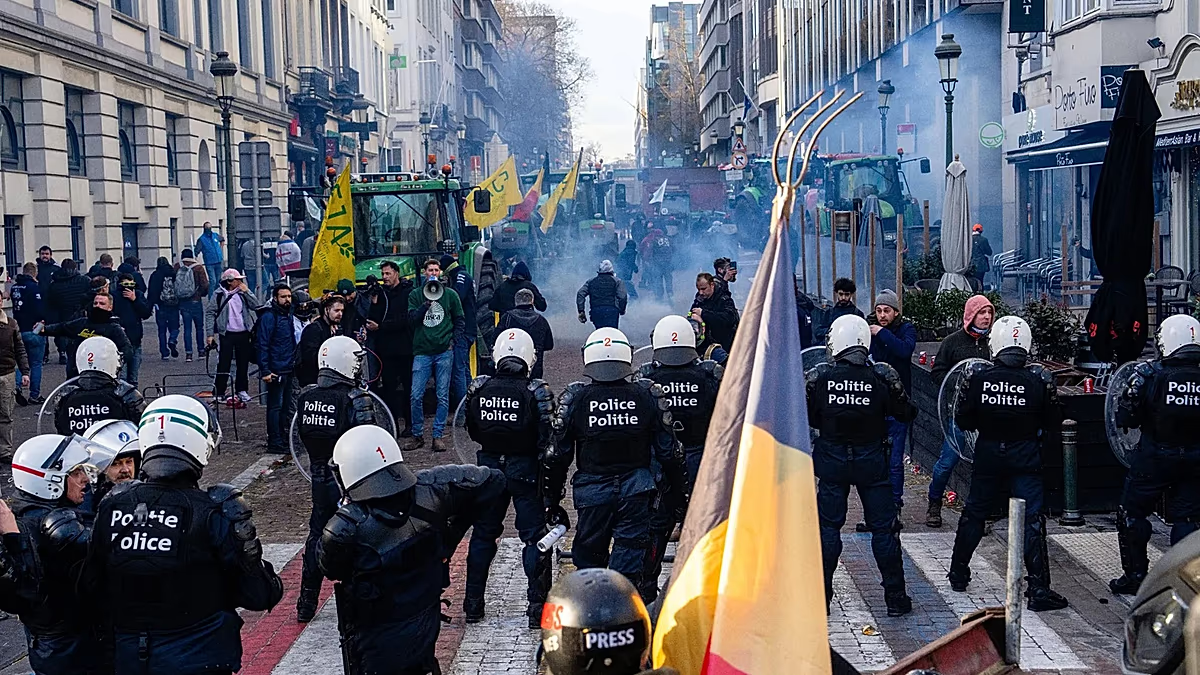
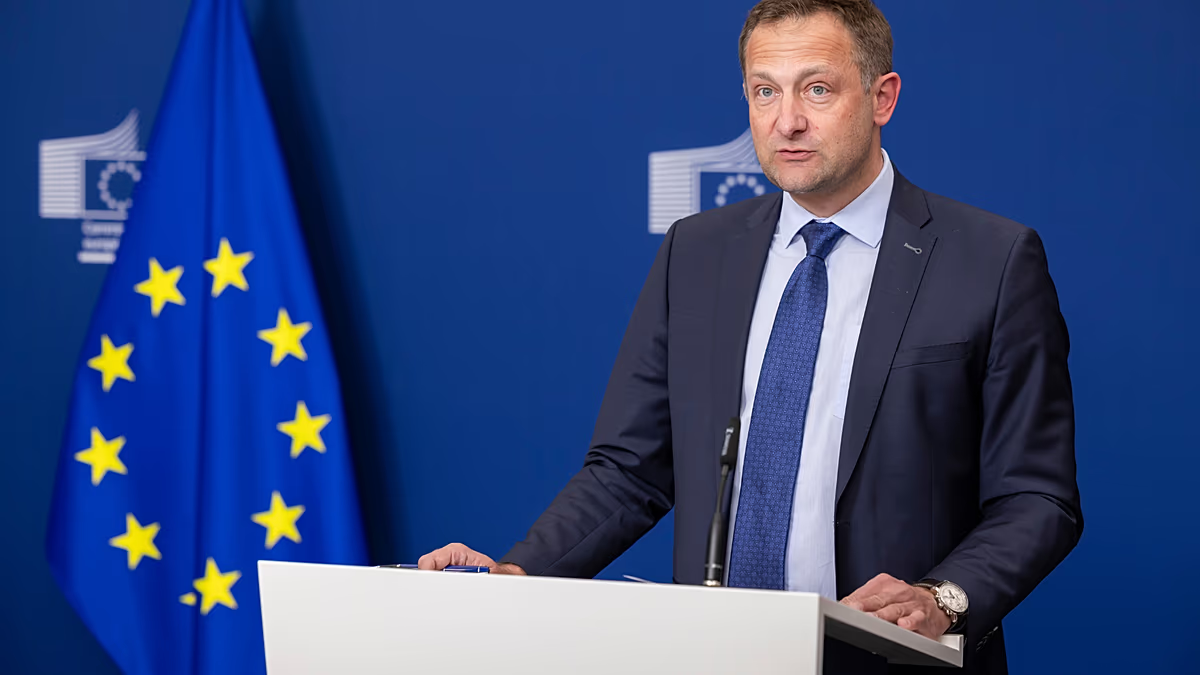
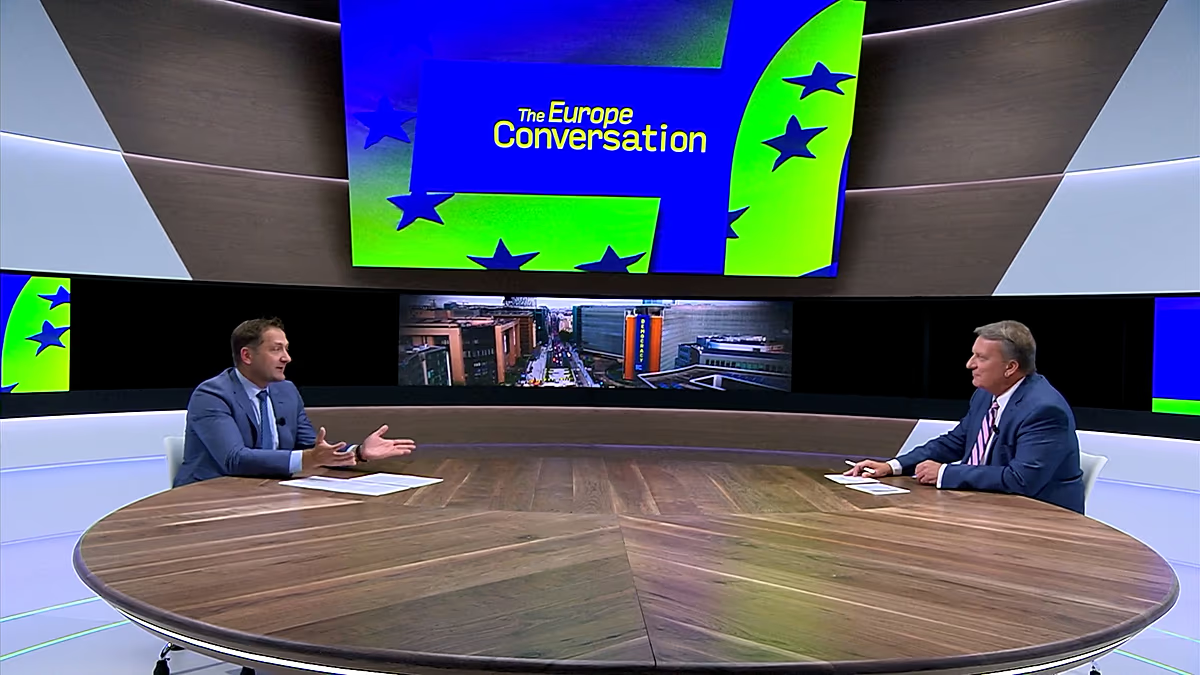
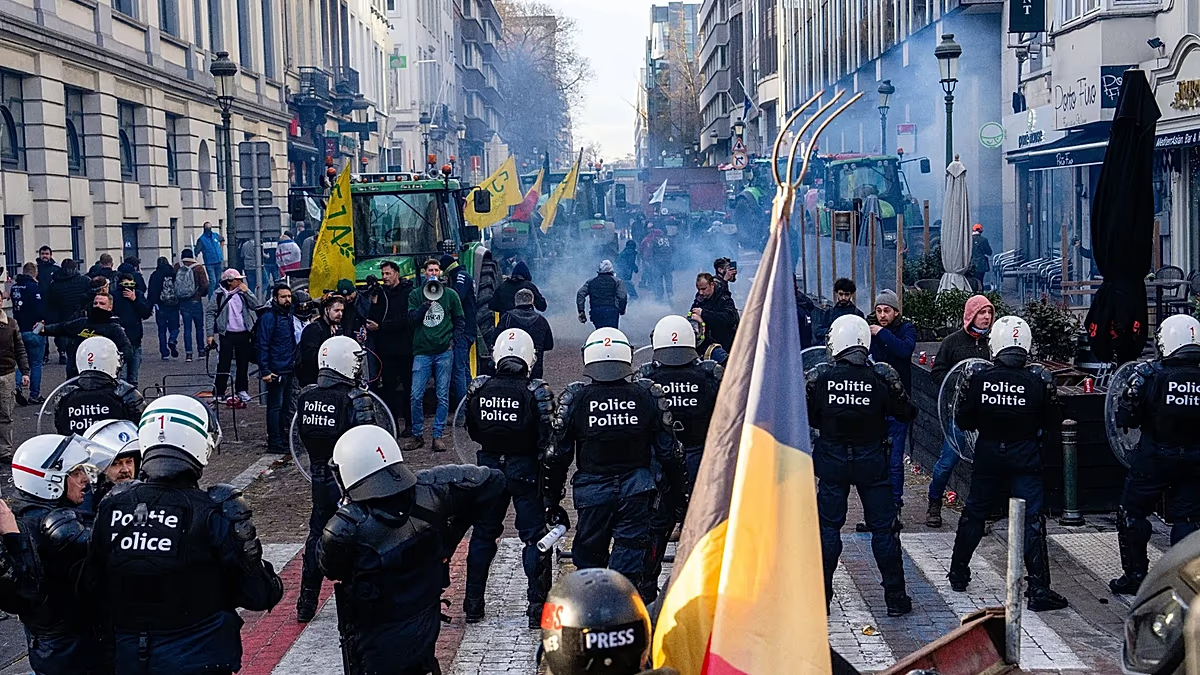
“Fertilisers are the backbone of our food production,” EU Agriculture Commissioner Christophe Hansen said at a recent Euractiv event. “Today, fertilisers cost around 70 per cent more than they did in 2024. Already in 2024, fertiliser prices had increased by 60 per cent from 2021. Today we import around 40 to 45 per cent of our fertilisers.” The announcement came as farmers gathered outside the European Parliament in Strasbourg to demonstrate the scale of the turmoil.