adsNigeria has an installed generation capacity of 13 to 14 gigawatts. Its grid delivers less than half of it. The gap is not just technical — it is a financing and institutional failure. Closing it will require a new model. The pieces are beginning to fall into place.
In Part One of this series, I argued that what Africa needs is not more capital in the abstract but catalytic capital — patient, strategic capital that organises fragmented markets, absorbs early-stage risk, and creates the conditions under which larger pools of private investment feel confident enough to commit. Nigeria’s power sector illustrates both the scale of what is at stake and the beginnings of a more sophisticated and practical response to it.
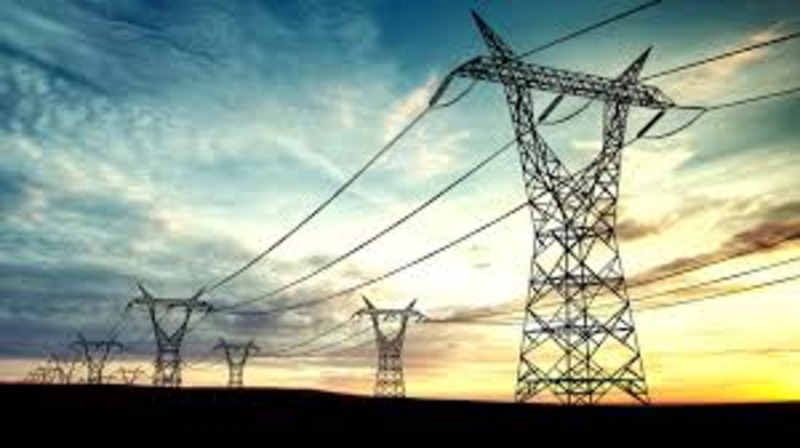
Despite the nameplate-installed generation capacity of approximately 13 to 14 gigawatts, the national grid typically delivers only 4 to 6 gigawatts to end users — a utilisation rate that should alarm anyone serious about Nigeria’s industrial competitiveness. The rest is lost to transmission constraints, gas supply failures, and grid instability. Meanwhile, Nigerian businesses and households rely on an estimated 20-plus gigawatts of costly self-generation from diesel and petrol generators — a parallel power system built entirely out of desperation and one that represents a massive, ongoing drain on productive capacity.