This article was produced with the support of Access Holdings PLC
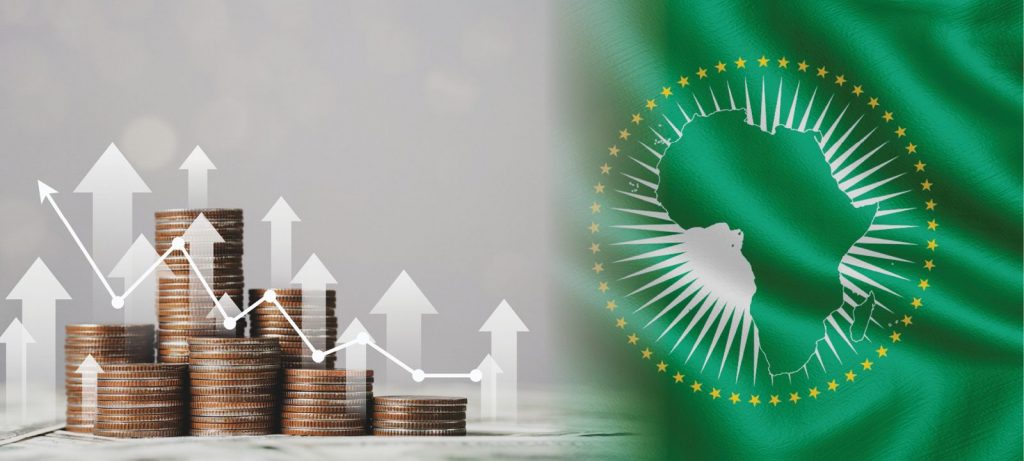
Across the continent, governments and businesses are working to build infrastructure, expand industry, create jobs, deepen digital systems, and serve a rapidly growing population. Too often, the capital required to fund this transformation is priced beyond the realities of African markets. As a result, Africa pays more to finance its development, even where the underlying opportunities are substantial and the long-term fundamentals are strong.
This is why the question of Africa’s cost of capital must now be understood as a question of financial sovereignty.
Financial sovereignty does not mean turning away from global capital. It means ensuring that African economies, institutions, and markets have the credibility, depth and coordination required to mobilise capital on terms that reflect their real value and potential. It means reducing the extent to which Africa’s development is constrained by external risk assumptions, fragmented markets and financial architectures that do not always price the continent accurately.
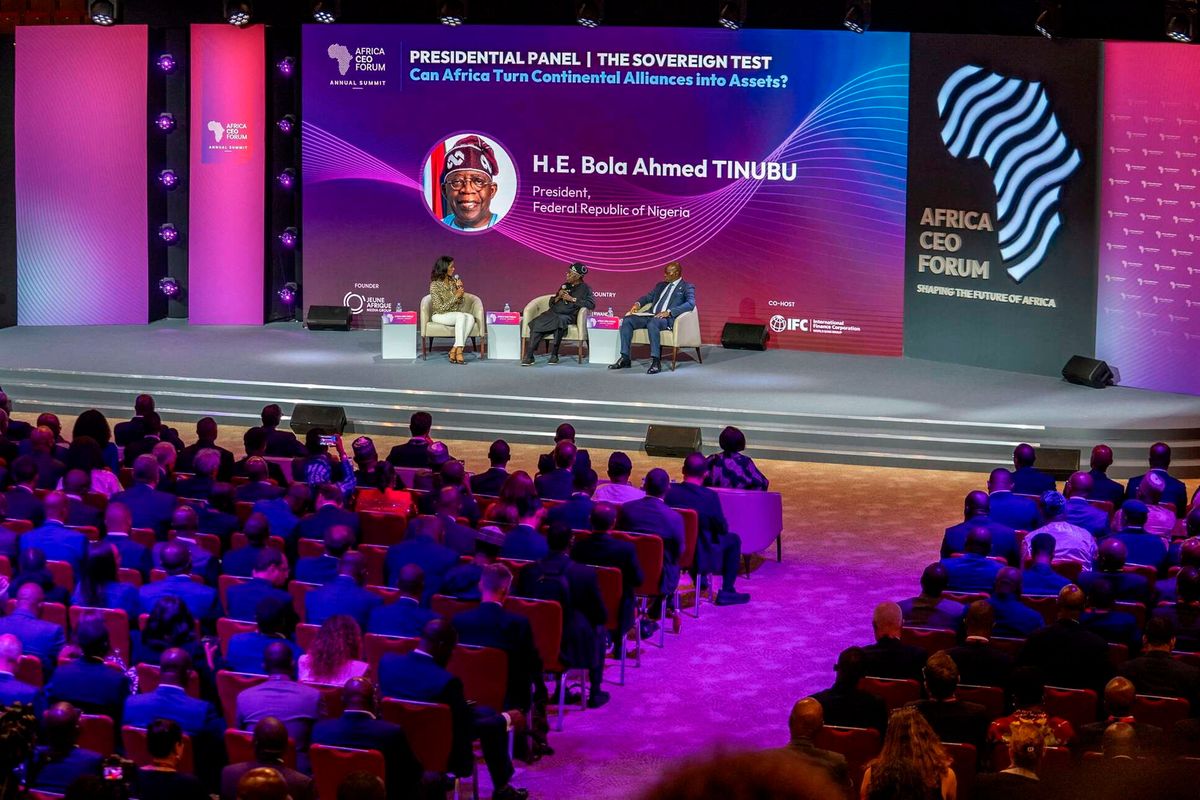
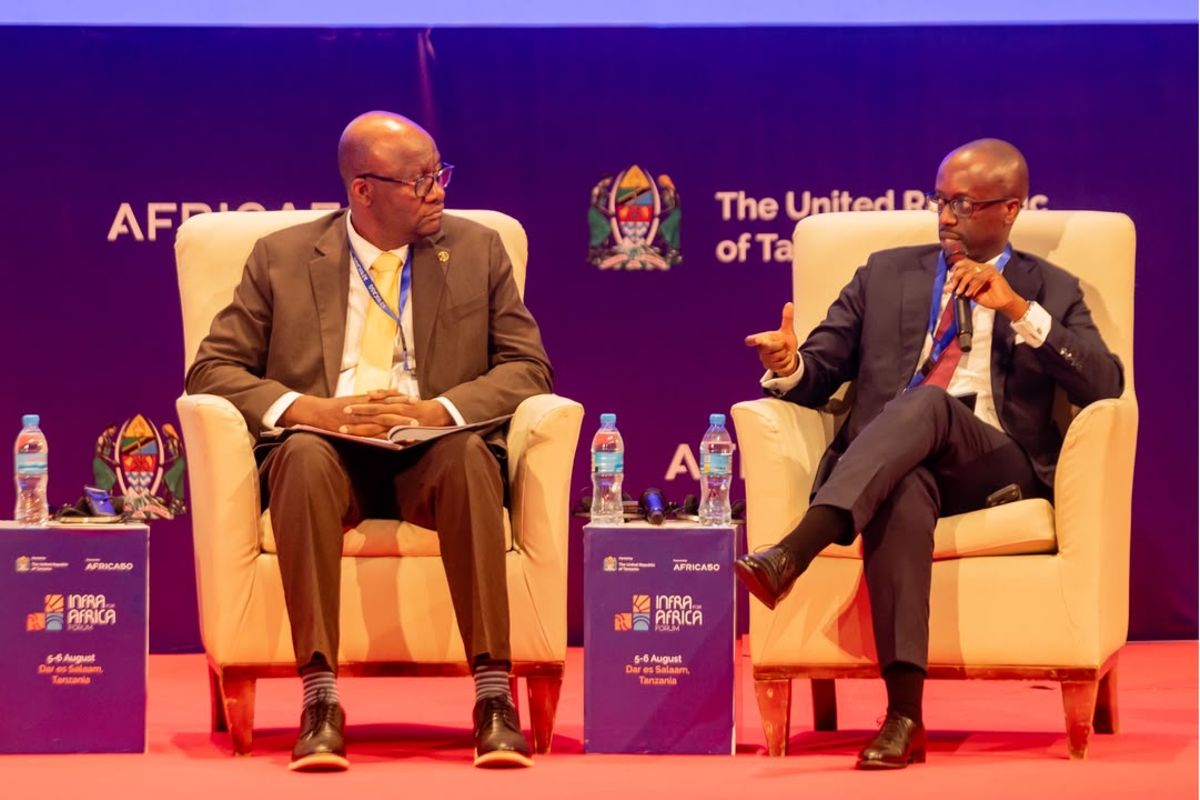
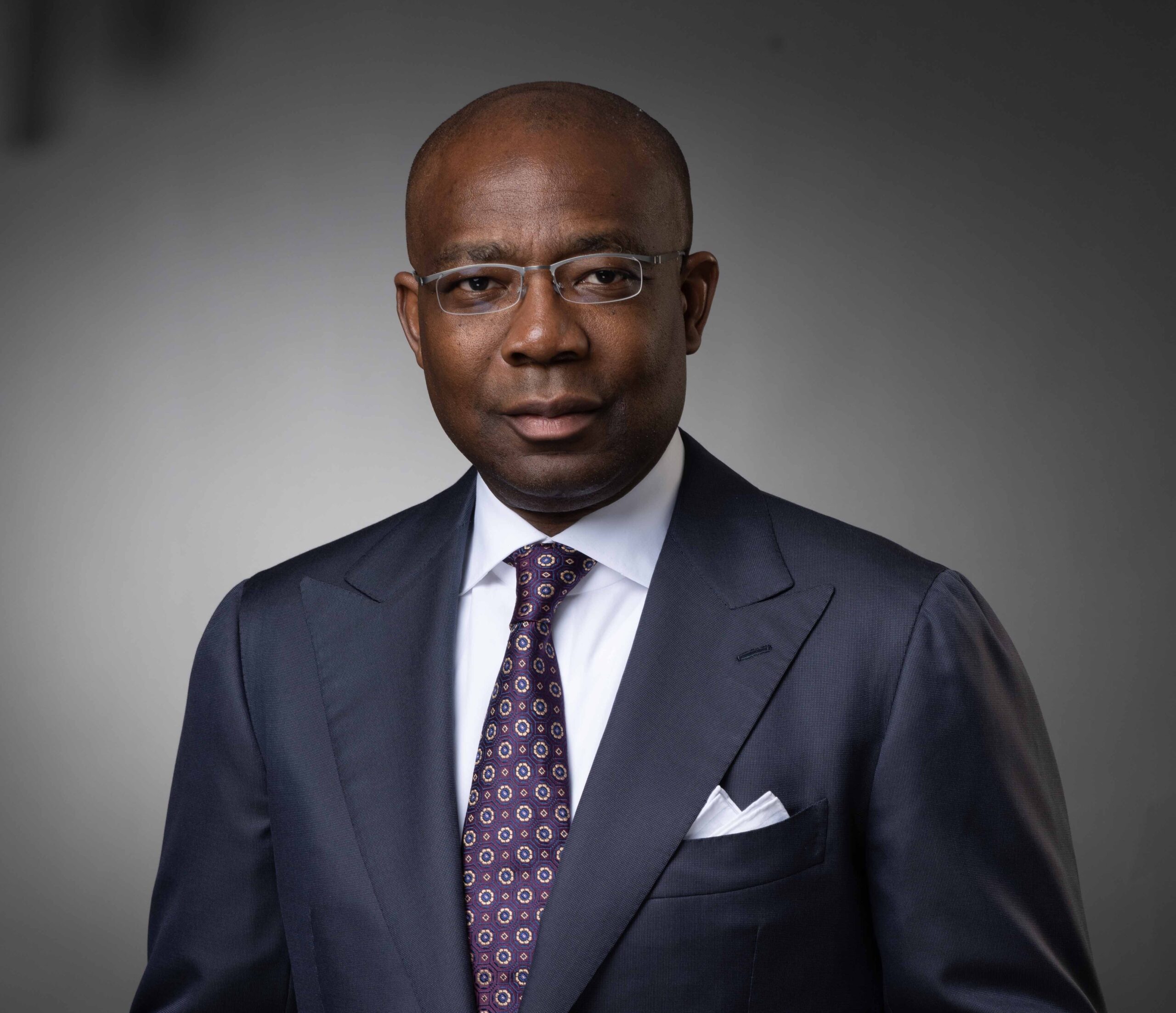
This was the central message I delivered in my capacity as Chairman of Access Holdings PLC and President of the France Nigeria Business Council (FNBC) at the Africa Forward Summit 2026, held recently in Nairobi, Kenya. Convened by President William Ruto and attended by 18 African Heads of State, including President Bola Ahmed Tinubu, as well as French President Emmanuel Macron and leading global investors, the summit reflected a growing consensus: Africa is central to the future of the global economy.