Nigeria’s ability to unlock a new era of economic growth will depend on how effectively it mobilises private capital into energy and infrastructure projects, as the country grapples with a multibillion-dollar financing gap that continues to constrain productivity and investment, according to business leaders.
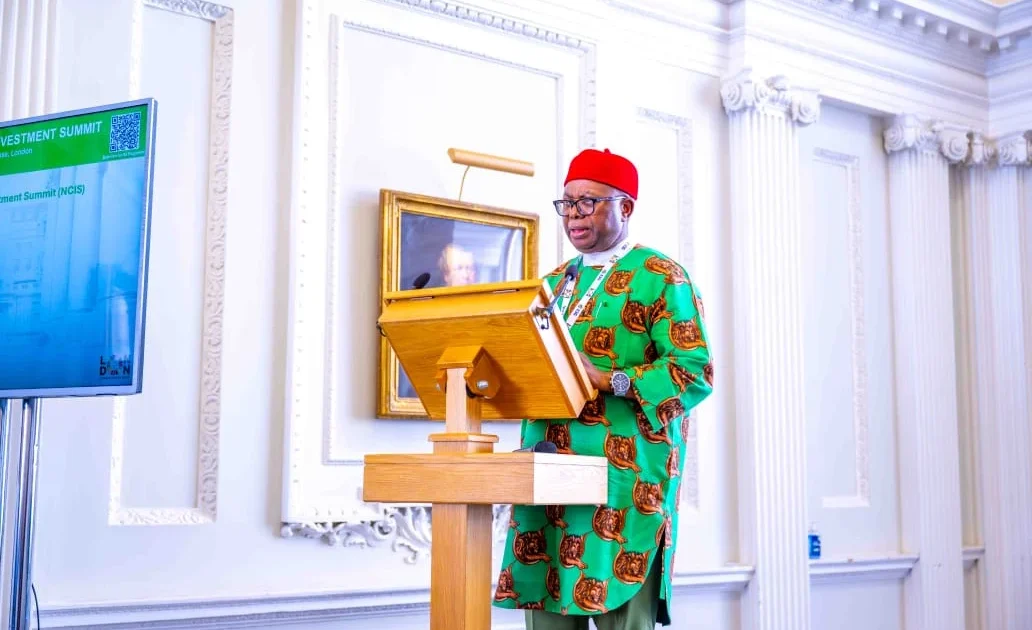
Speaking at the 10th anniversary colloquium of the Investment Society, University of Lagos, senior executives from the banking, energy, and capital market sectors said recent economic reforms have created a rare opportunity to channel investment into sectors critical to long-term growth.
Their comments come as Nigeria seeks to attract more private capital to bridge an infrastructure financing gap estimated by the African Development Bank (AfDB) at about $100 billion annually. The country’s infrastructure stock is estimated at roughly 30–35 percent of GDP, far below the 70 percent benchmark associated with more developed economies.
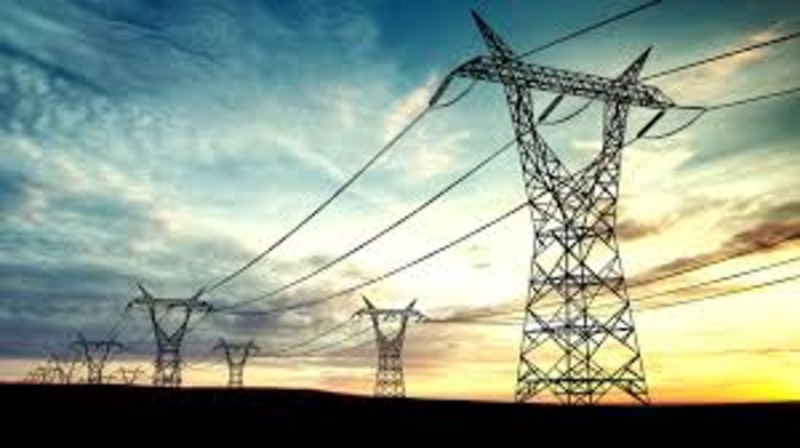
The challenge is particularly acute in the power sector. According to the Nigerian Electricity Regulatory Commission (NERC), installed generation capacity stands at 13,625 megawatts, but average available generation was only about 5,151MW in December 2025. The Nigerian Independent System Operator estimates actual generation averages closer to 4,300MW, well below the level required to support a modern economy.