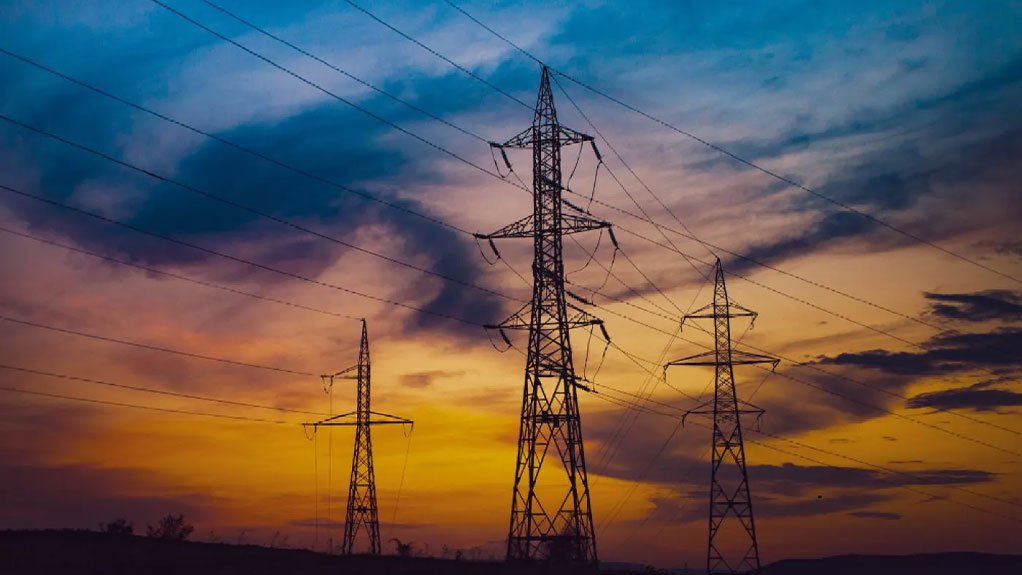
Africa is entering one of the most ambitious periods of infrastructure and industrial investment in its history. Governments are expanding power generation, transport networks, ports, industrial parks, and digital infrastructure, while African private sector leaders are making unprecedented long-term commitments to manufacturing and industrial production. The scale of investment by industrial champions such as Aliko Dangote shows what sustained private capital can achieve in accelerating Africa’s industrial transformation. These investments are laying the physical foundations on which Africa’s industrialization depends.
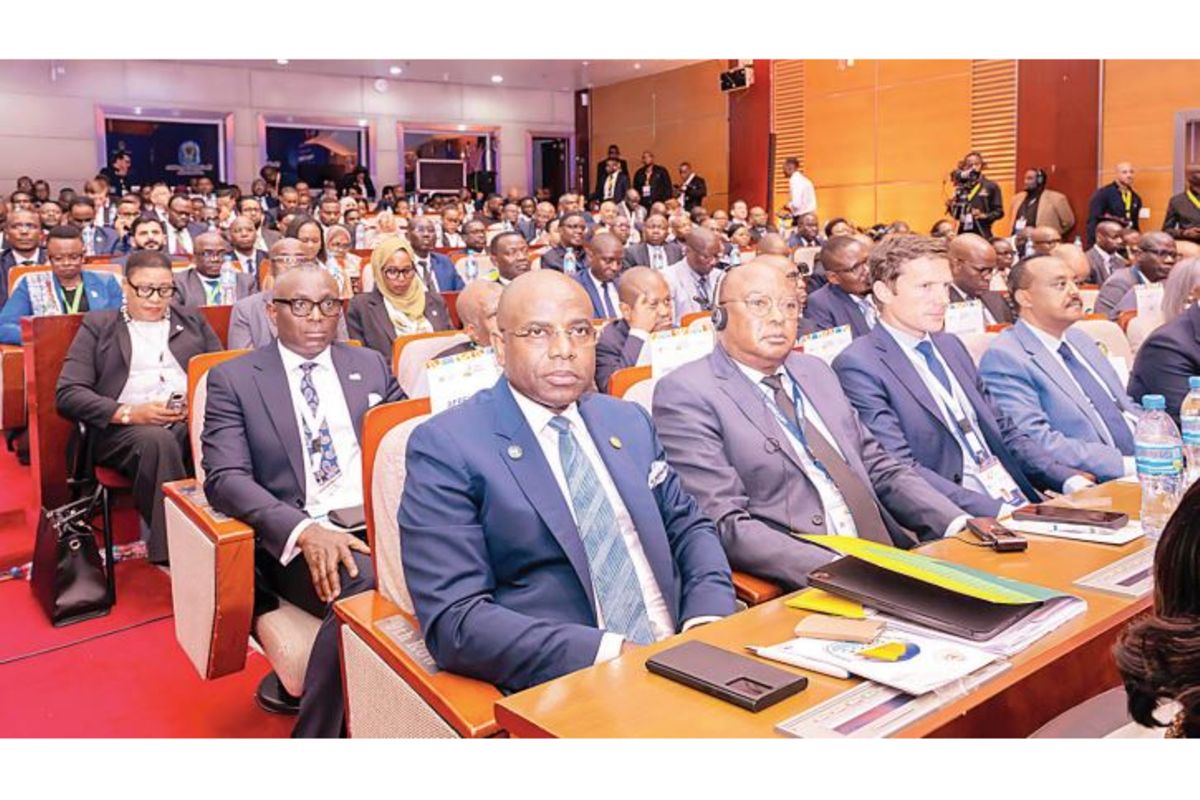
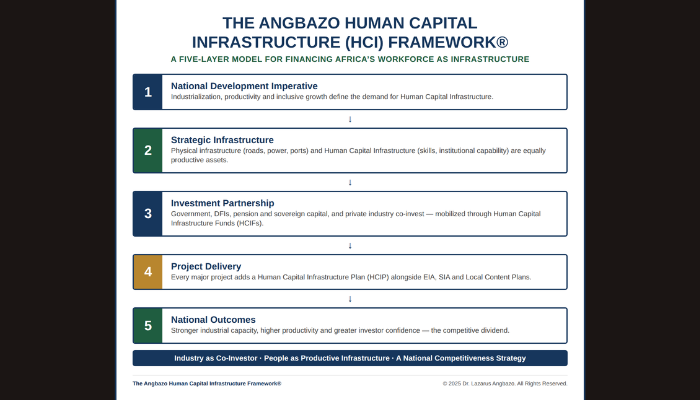
In a previous column, I asked a question that rarely appears in an investment memorandum: who will operate, maintain, and upgrade this infrastructure twenty years from now? That question deserves a sequel, because the conversation at the National Technical and Vocational Education and Training (TVET) Summit in Lagos did not stop at diagnosis. It pointed toward a solution the development finance community has not yet built: a way of financing the workforce that industrialization requires with the same discipline, scale, and patience we apply to roads, power, and ports.