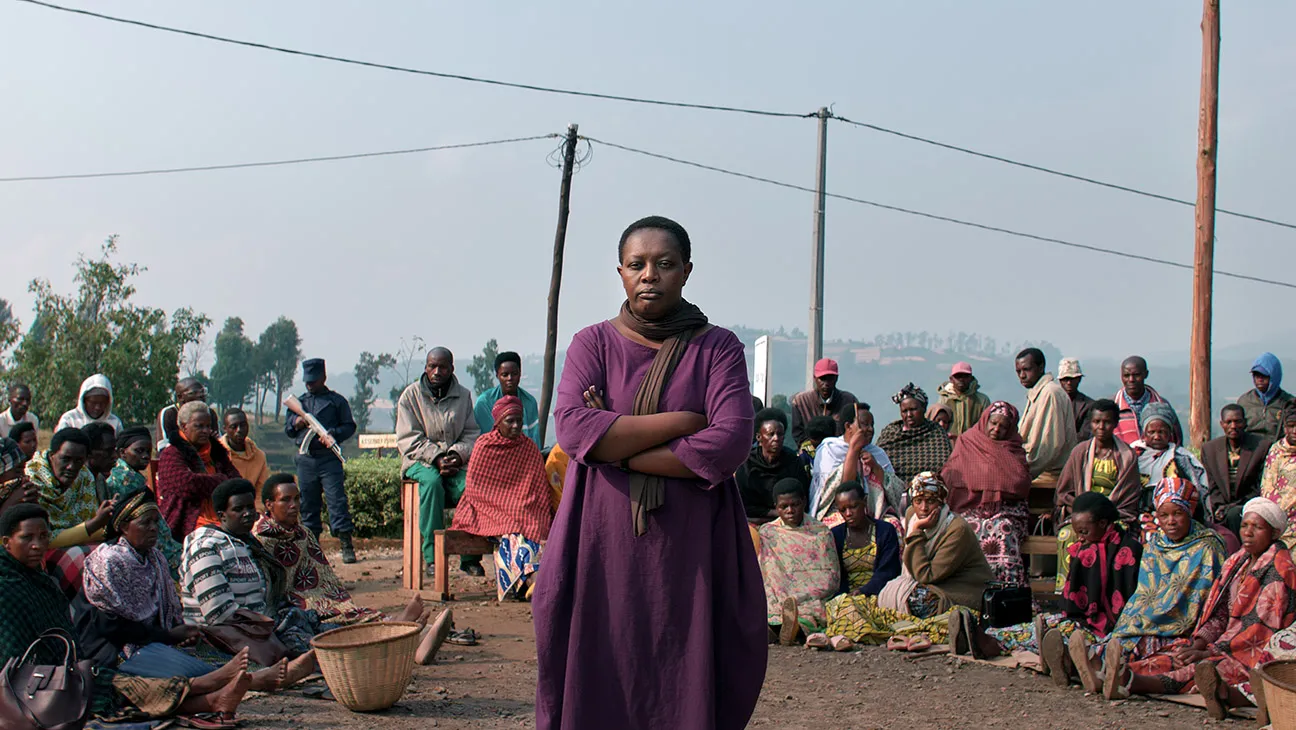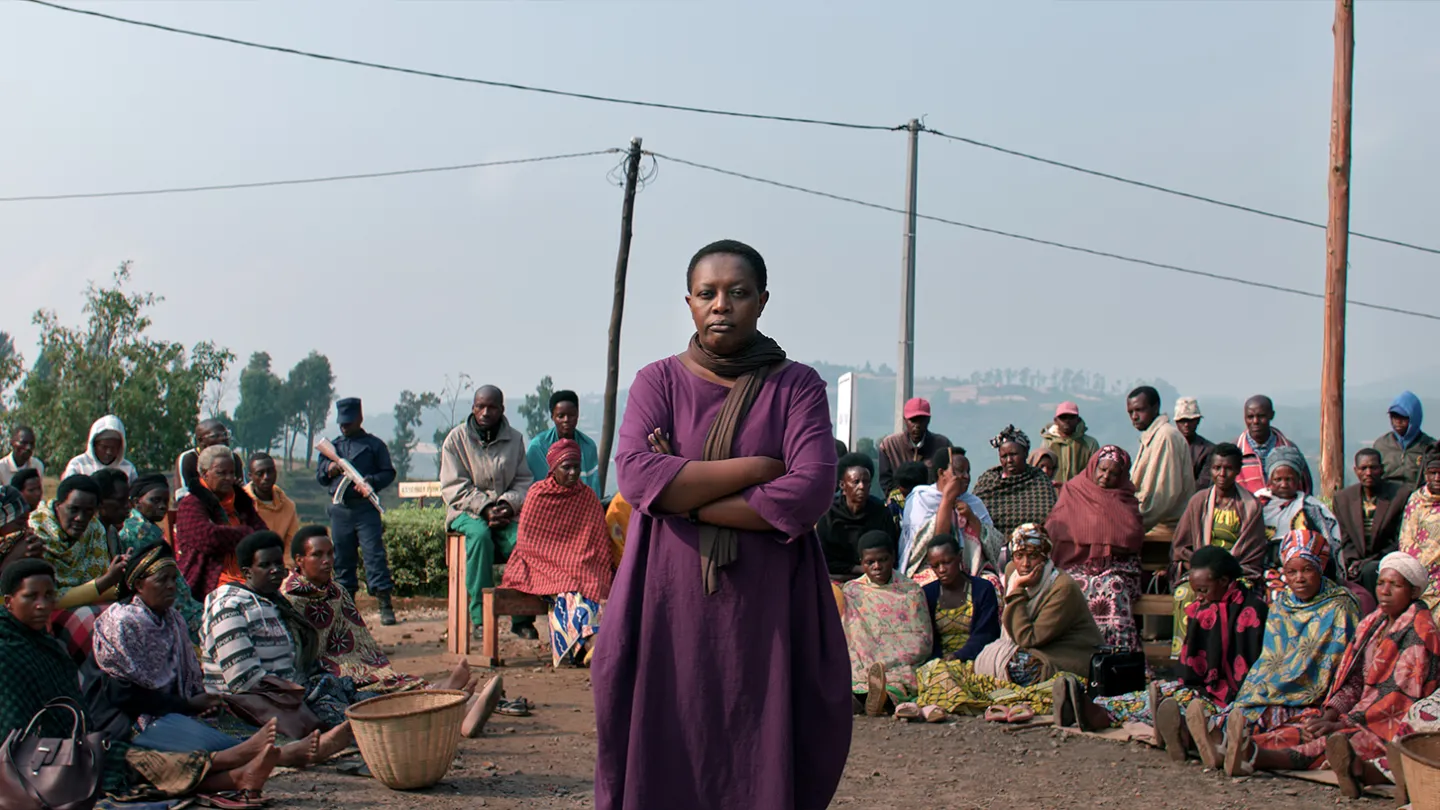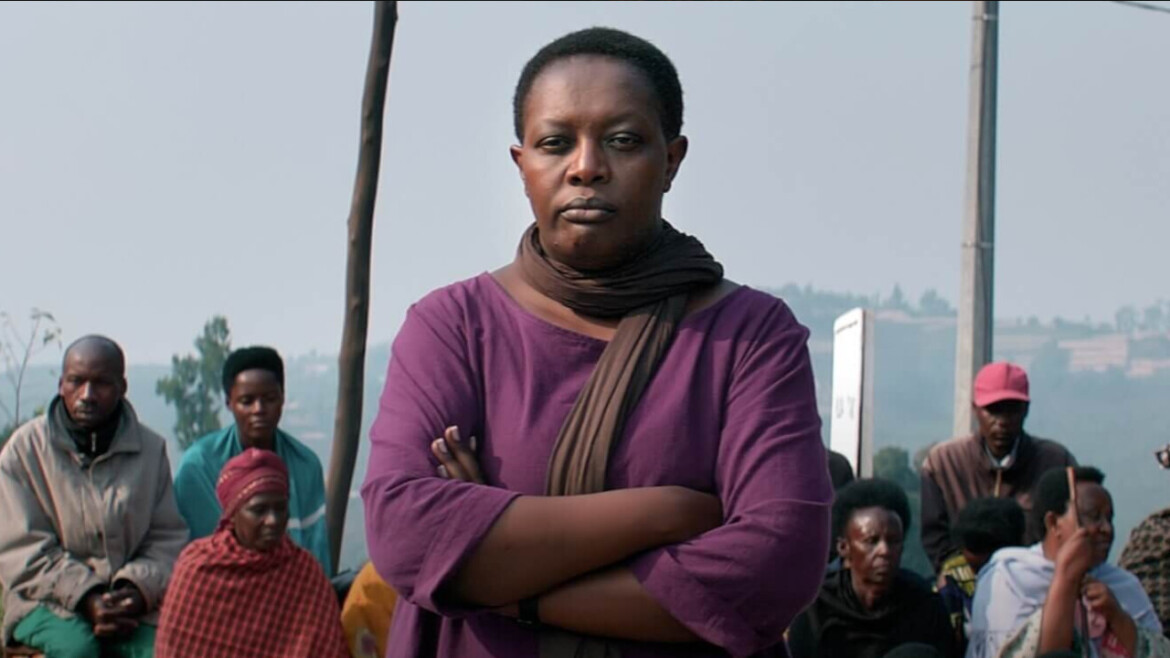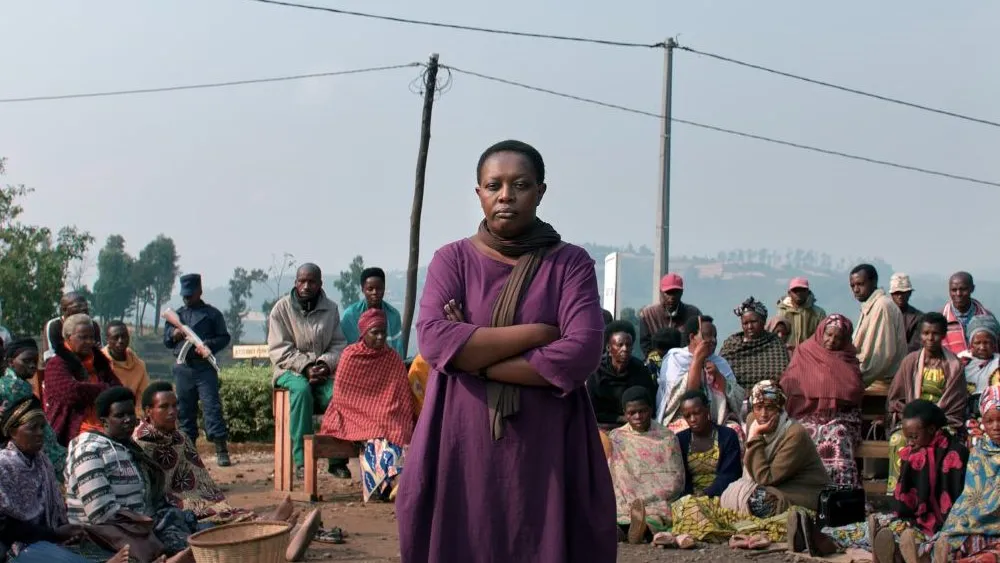
The first words spoken in Marie-Clémentine Dusabejambo‘s “Ben’Imana,” are of forgiveness. But the body does not forget and the speaker’s defiant stare and tight, unyielding stance suggest she is trying, not wholly successfully, to discipline herself into feeling the words as well as just saying them. Dusejambo’s fraught yet forthright first film, which recently won the Camera d’Or for the best debut in Cannes, lives in the difficult space where what we say roils against what, in our heart of hearts, we really feel, a ferment here agonizingly intensified by the omnipresence — and omni-absences — of the Rwandan genocide. Reflecting on these piercing paradoxes, Dusabejambo’s narrative (co-written with Delphine Agut) cannot but be shaped by them; there are no simple resolutions for a reality defined by ruptures and ragged edges.
It is 2012 and 18 years have passed since the village of Kibeho, set in the mountainous terrain of southern Rwanda — captured in all its counterpointing mild, placid mistiness by Mostafa El Kashef’s subtle, attentive camerawork — bore witness to some of the nation’s most devastating massacres. On a hilltop, there is assembled a Gacaca, one of the elder-run community courts established as part of Rwanditude, the national reconciliation program designed to break the cycle of insidiously intimate neighbor-on-neighbor violence and enmity that characterized the conflict.