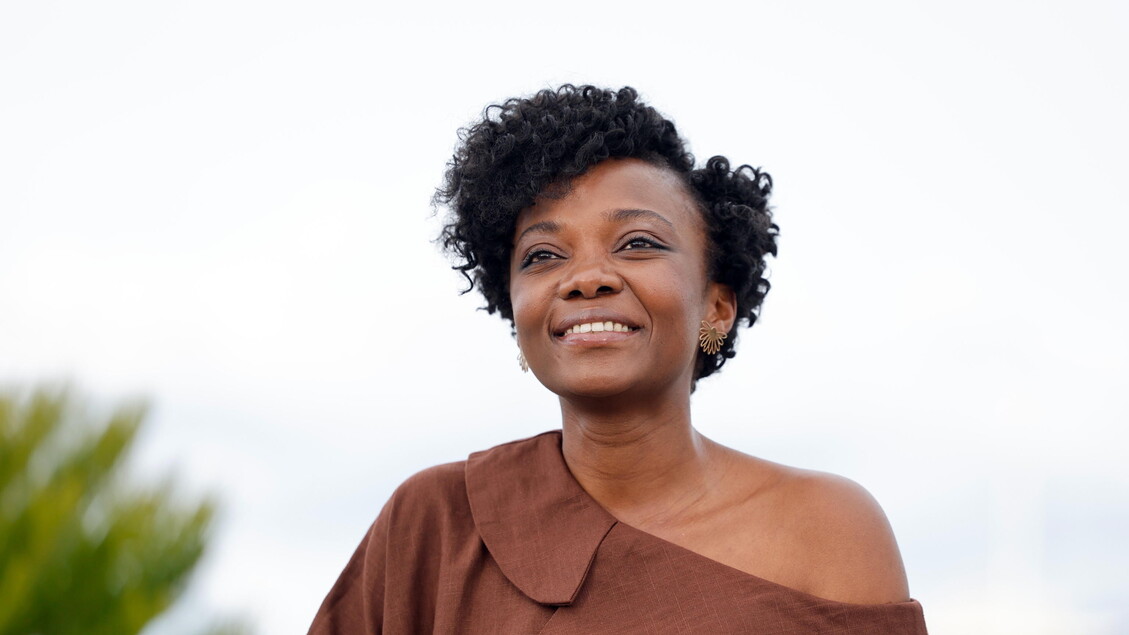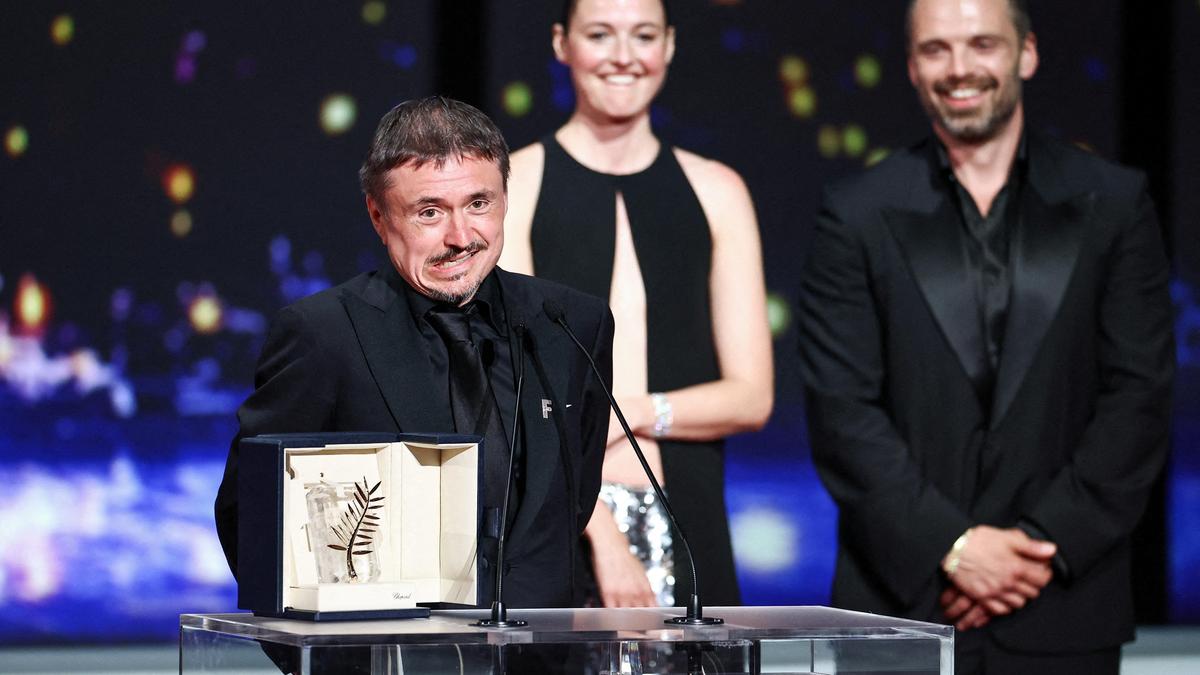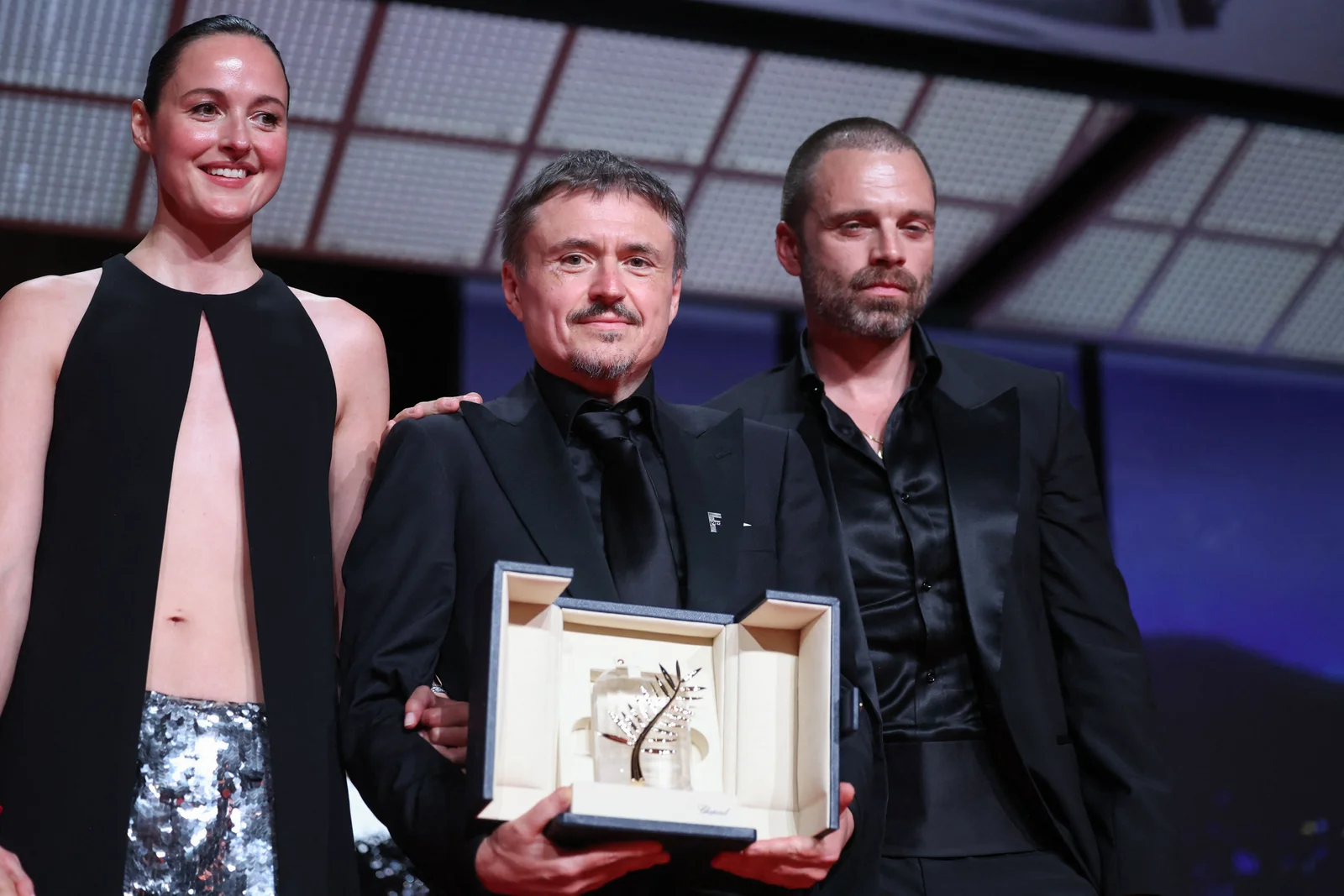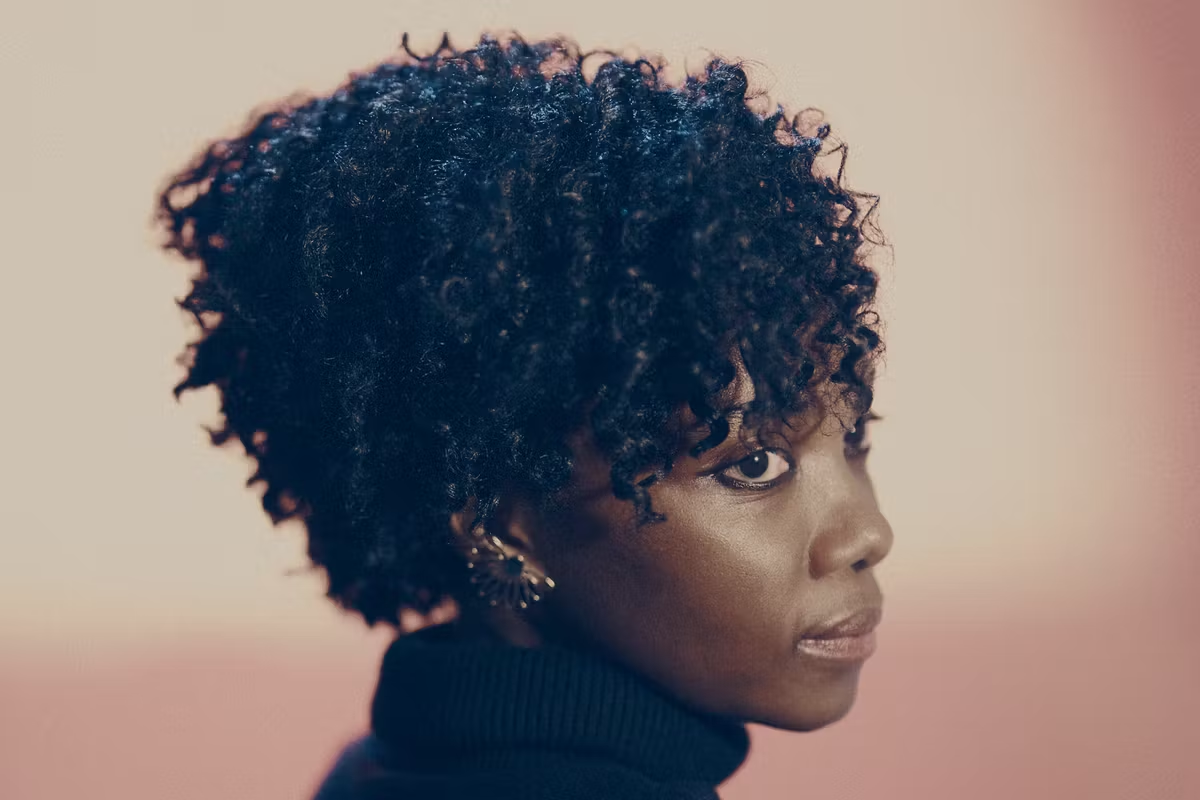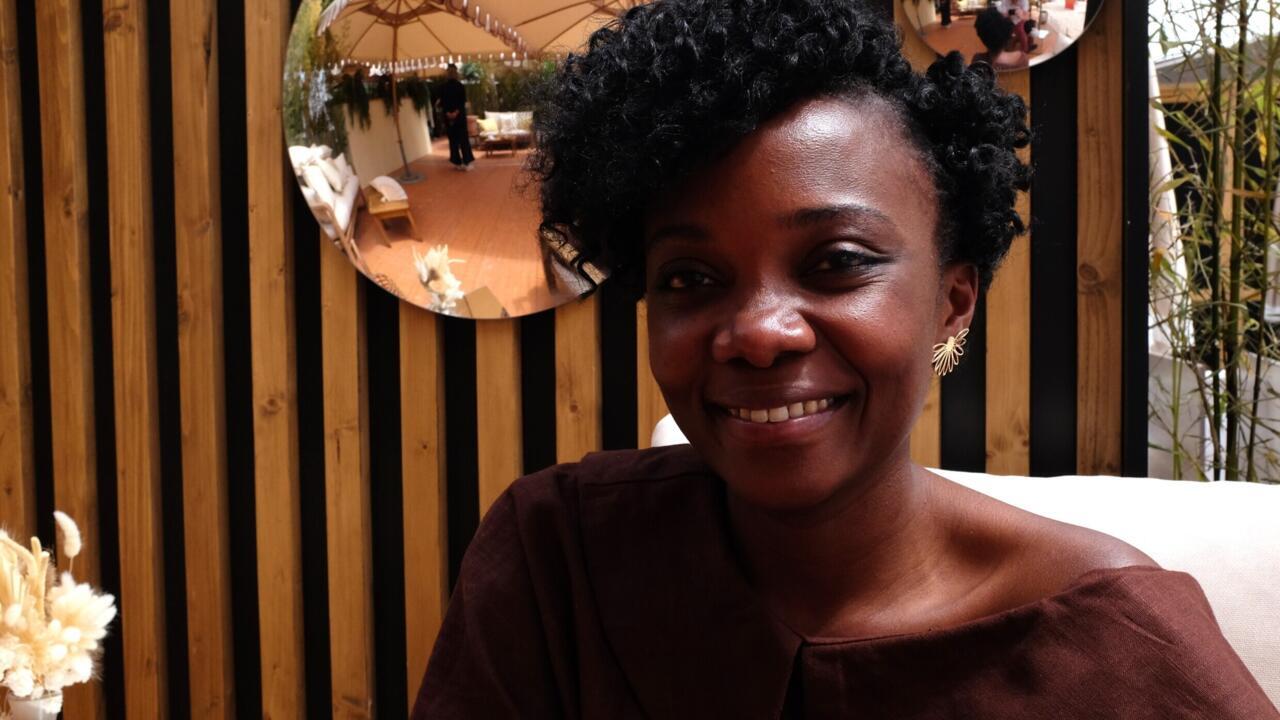
Rwandan director Marie-Clémentine Dusabejambot has become the country's first filmmaker to win the Camera d’Or for best first feature at the Cannes film festival, with Ben’Imana. The Kigali-based director talks to RFI about exploring how survivors and perpetrators continued living side by side in the year’s following the 1994 genocide and the difficult but necessary path towards reconciliation and healing.
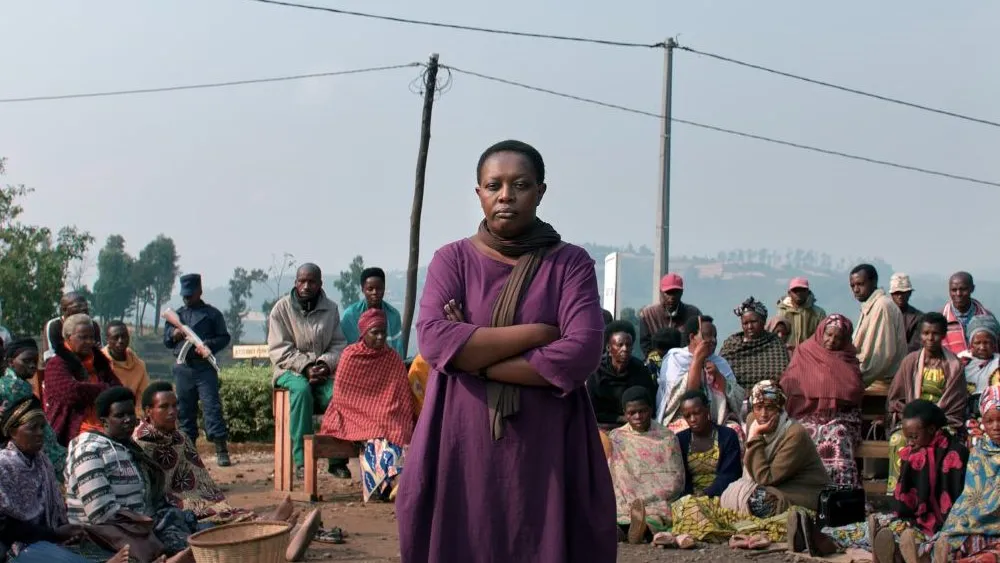
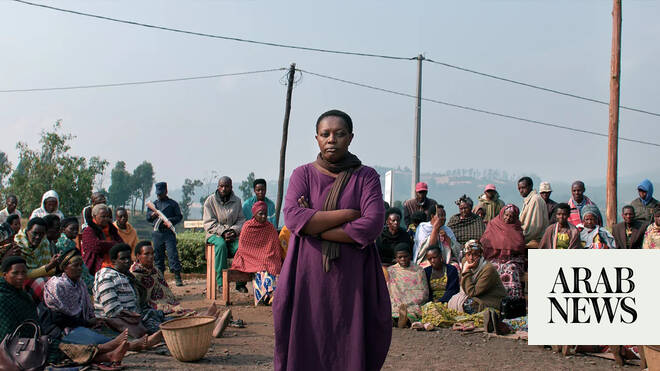
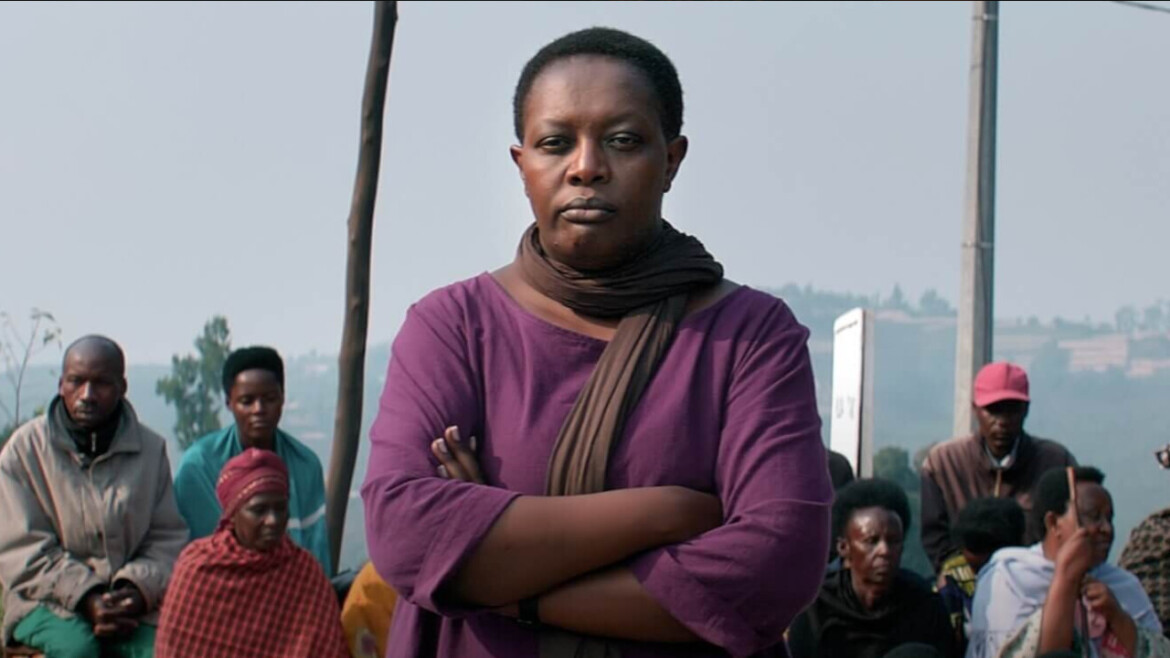
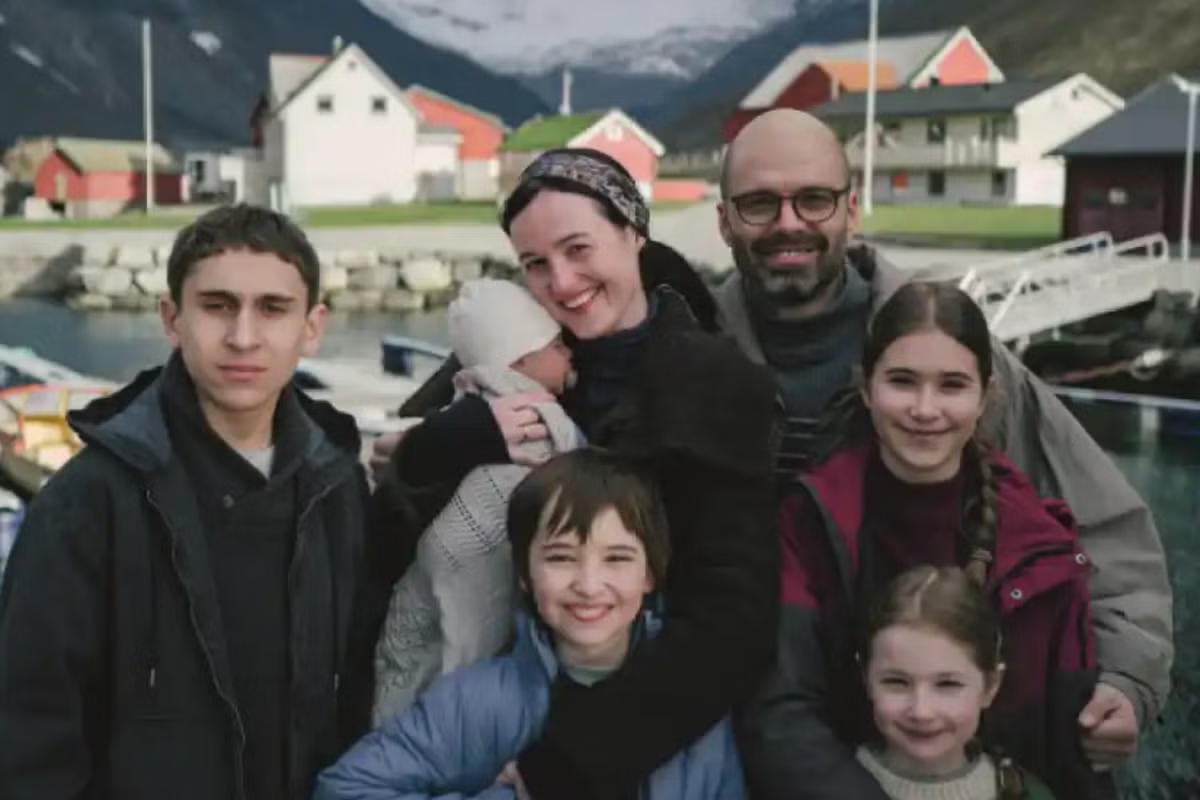
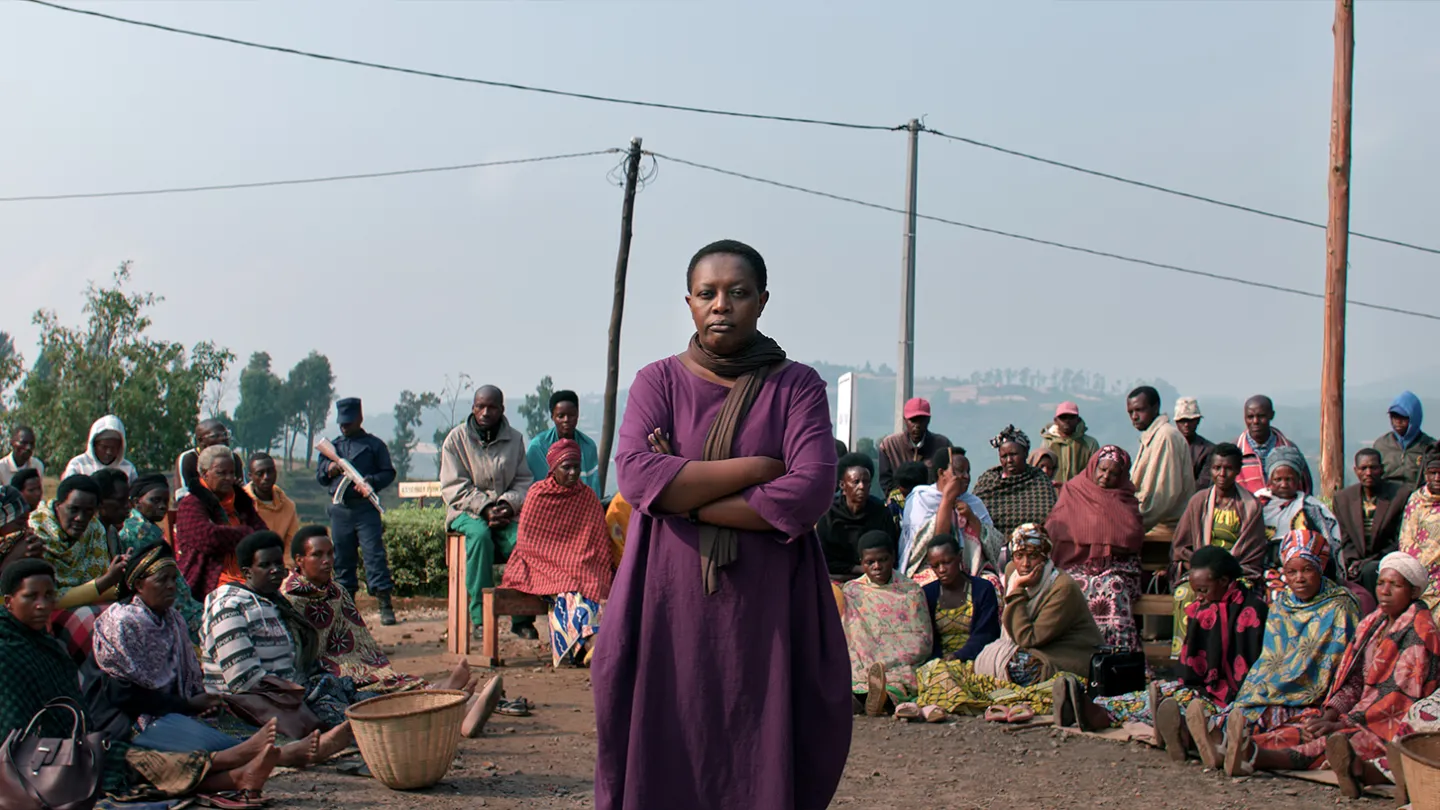
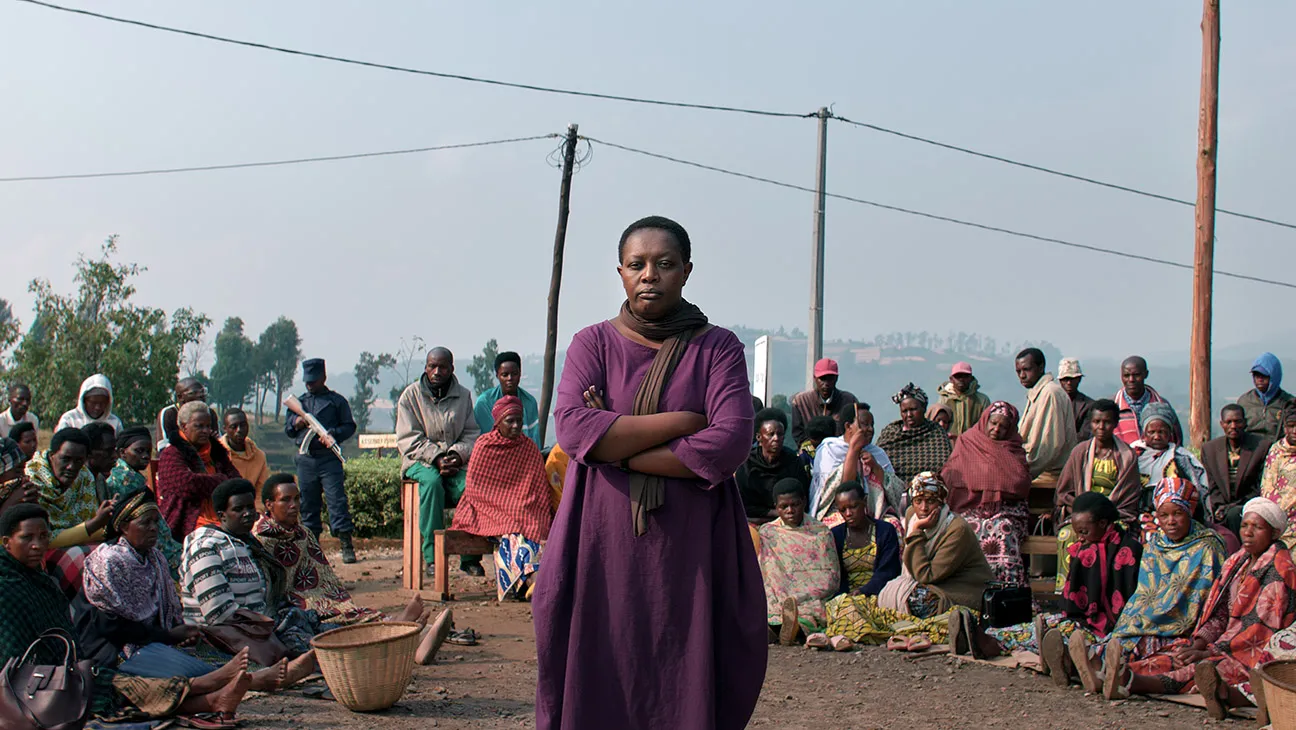
Dusabejambo spent more than a decade making the film, which premiered in the festival's Un Certain Regard section and won the top prize for a debut feature. Set against the aftermath of the 1994 genocide, during which 800,000 people, most of them from the Tutsi ethnic group, were massacred by Hutu militias, Ben’Imana follows a survivor working toward reconciliation and healing within her community while confronting her own painful memories. “I wanted to pay tribute to the women of my country,” Dusabejambo said during Saturday’s awards ceremony. “To those mothers who found the strength to remain standing with dignity, to forgive, to move forward – however imperfectly, however painfully.” She spoke to RFI's Siegfried Forster. RFI: Your film opens on a forest, rolling hills and then a community gathering where a woman stands up and says “I forgive". In your film, is forgiveness the force that sets everything in motion? Marie-Clémentine Dusabejambot: The beginning of the film is both a beginning and an ending. It marks the start of a new chapter for the characters. Something happened to all of them – they were all victims in different ways – but each person understands those events differently depending on which side they were on. When genocide takes place between neighbours, within families, where do you stand afterwards? The film begins in a world of justice where your neighbour may be your witness – or your accuser. It becomes a question of choice. Is forgiveness a choice? Or, even if you want to forgive, do you then have to prove it? I’m not sure the film gives clear answers to those questions. In a society trying to rebuild itself through justice, should we even speak about forgiveness? Or should we speak about truth? About healing? What can actually repair things? When everything collapses, what do you turn to? My main character has turned towards forgiveness. She then has to prove that forgiveness through her actions in life; she must live it out. She has spoken the words, but she must live it out.