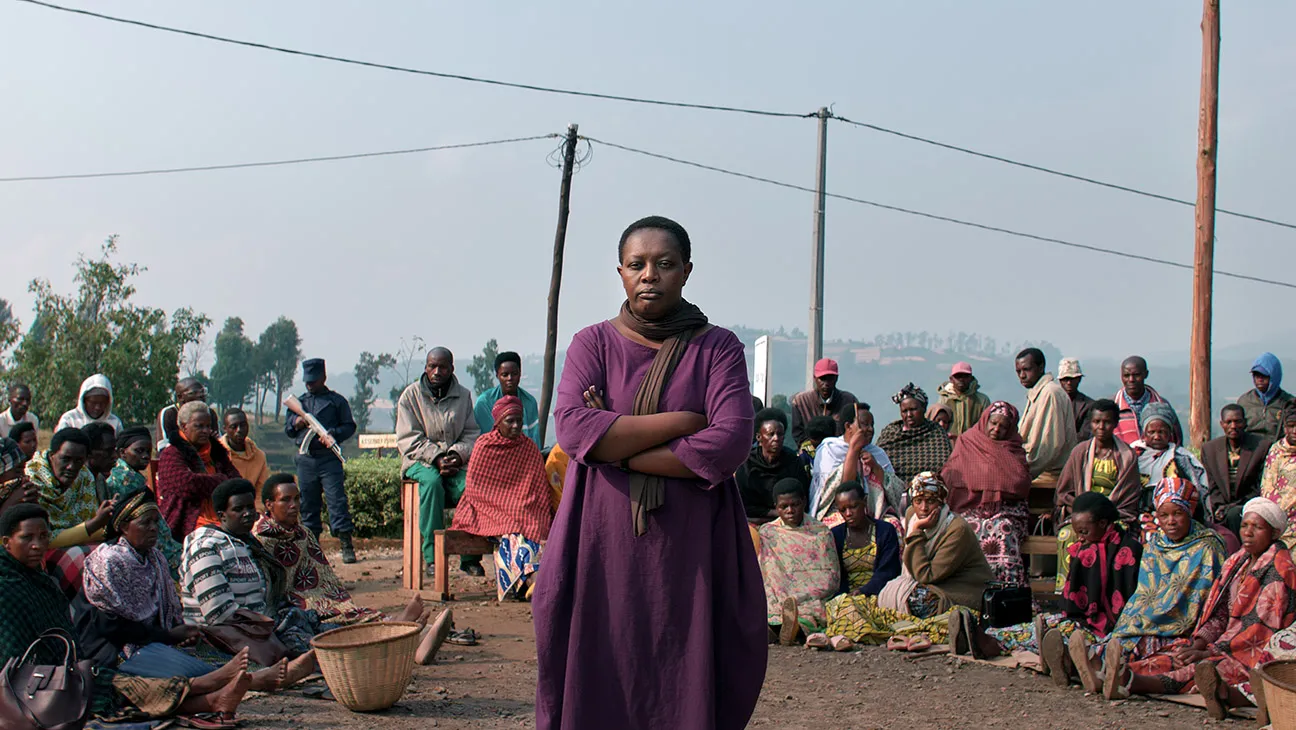
CANNES: “Ben’Imana” created history when it became the first film by a Rwandan filmmaker to premiere within the Official Selection of the Cannes Film Festival, which closed on May 23.
Directed by Marie-Clementine Dusabejambo in her feature debut, the film focuses on the memories and emotional fractures that continue to survive decades after the 1994 genocide against the Tutsi ethnic group.
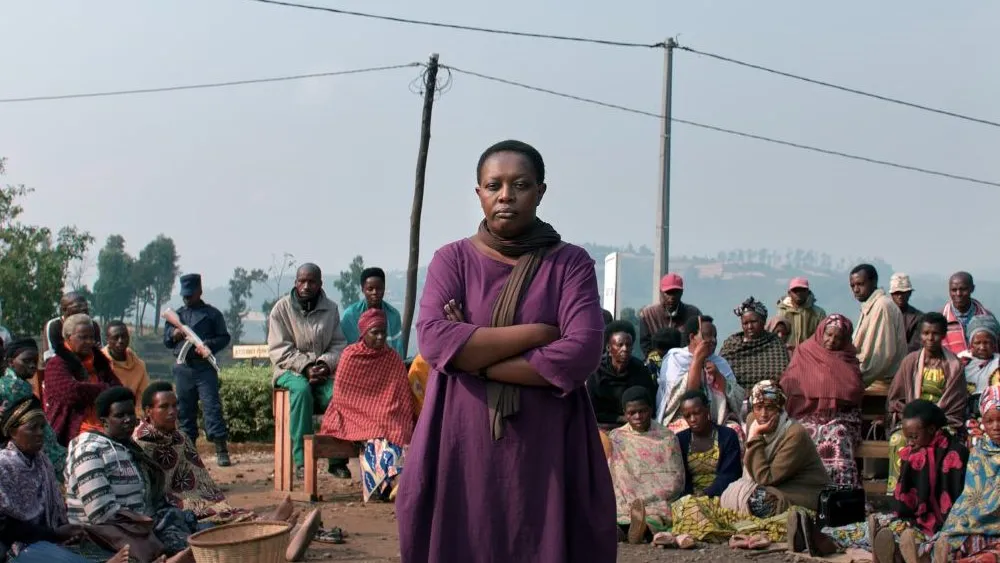
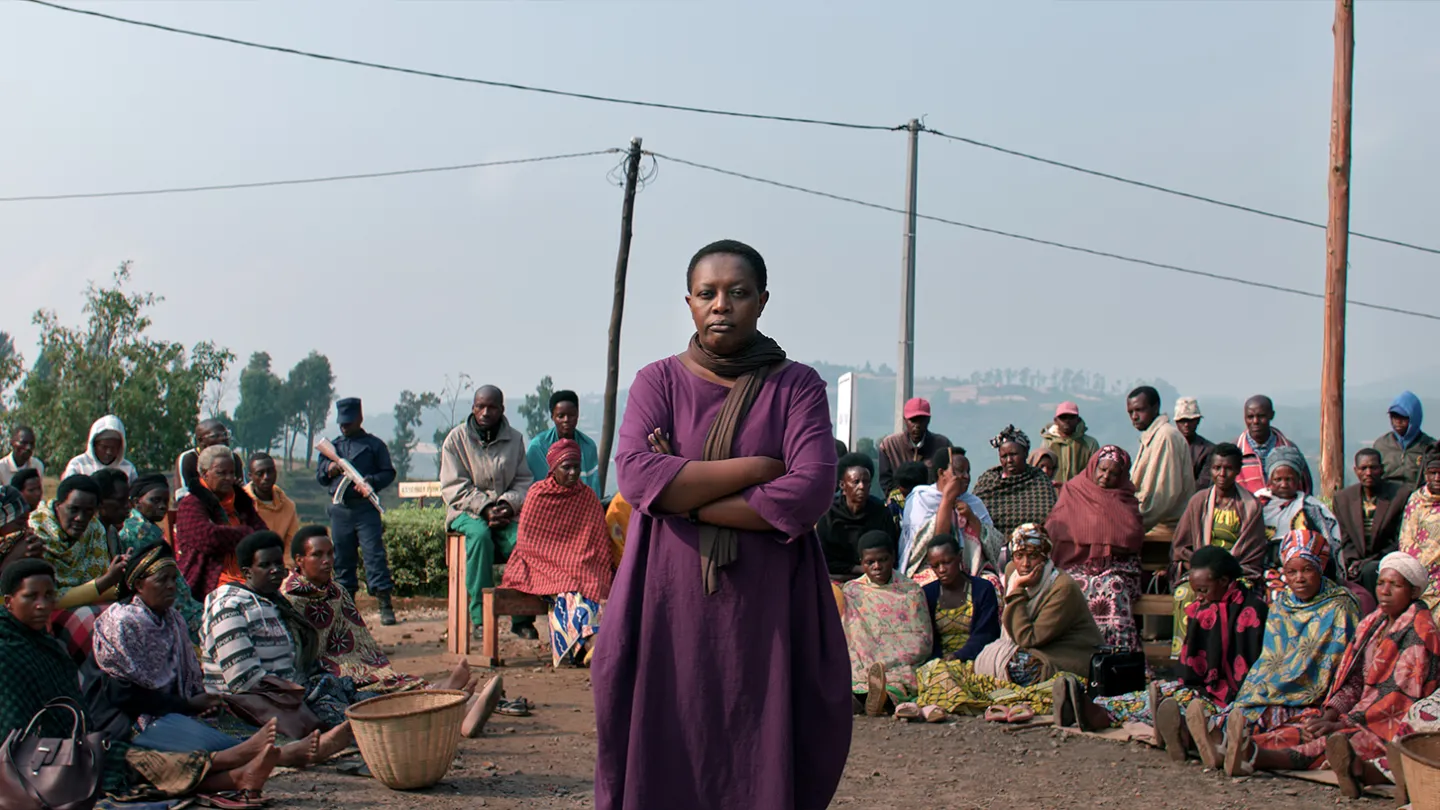
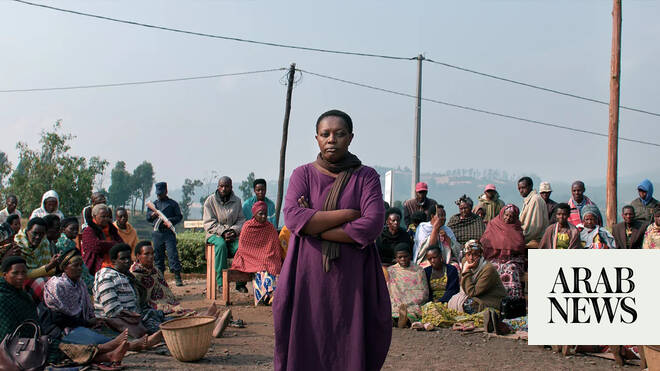
Set in 2012 during the Gacaca trials — established to confront crimes committed during the genocide — the film follows women haunted by memories that resist the language of forgiveness. Dusabejambo sheds light on the emotional weight carried by survivors as the trials become spaces where trauma is relived. Beneath the discourse of reconciliation, the film shows a society attempting to move forward while remaining unable to confront the depth of what was lost.
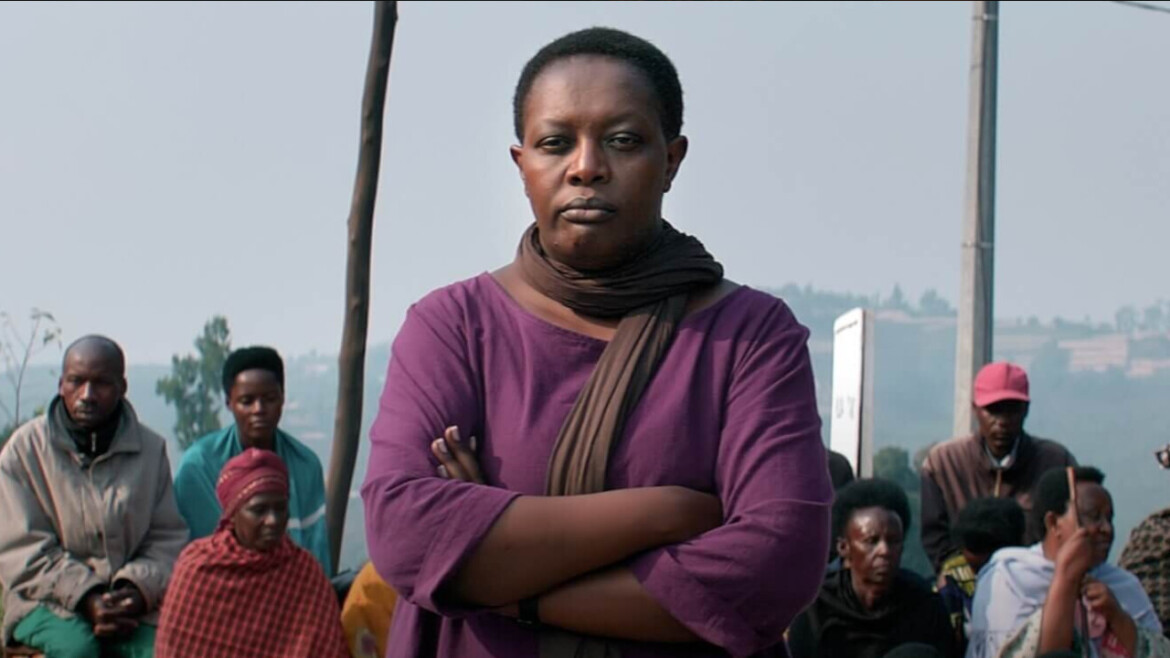
What makes “Ben’Imana” striking is the way it refuses an easy release of emotion. Again and again, the survivors are asked to forgive, yet the film questions whether forgiveness can truly exist when memory itself remains fractured and silence continues to shape social relations. In that sense, the genocide becomes an invisible but has a permanent presence within everyday life, something that continues to structure conversations and the inability to speak about the past. Dusabejambo captures this tension with remarkable restraint that avoids melodrama while allowing the emotional weight of testimonies and recollections to emerge gradually.