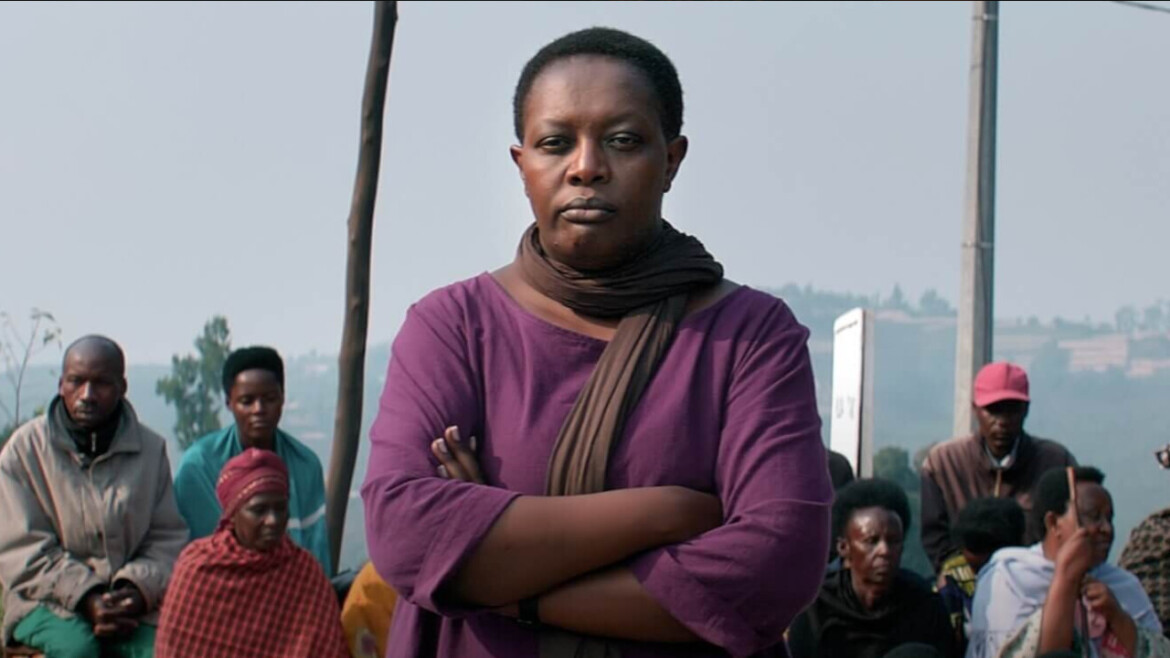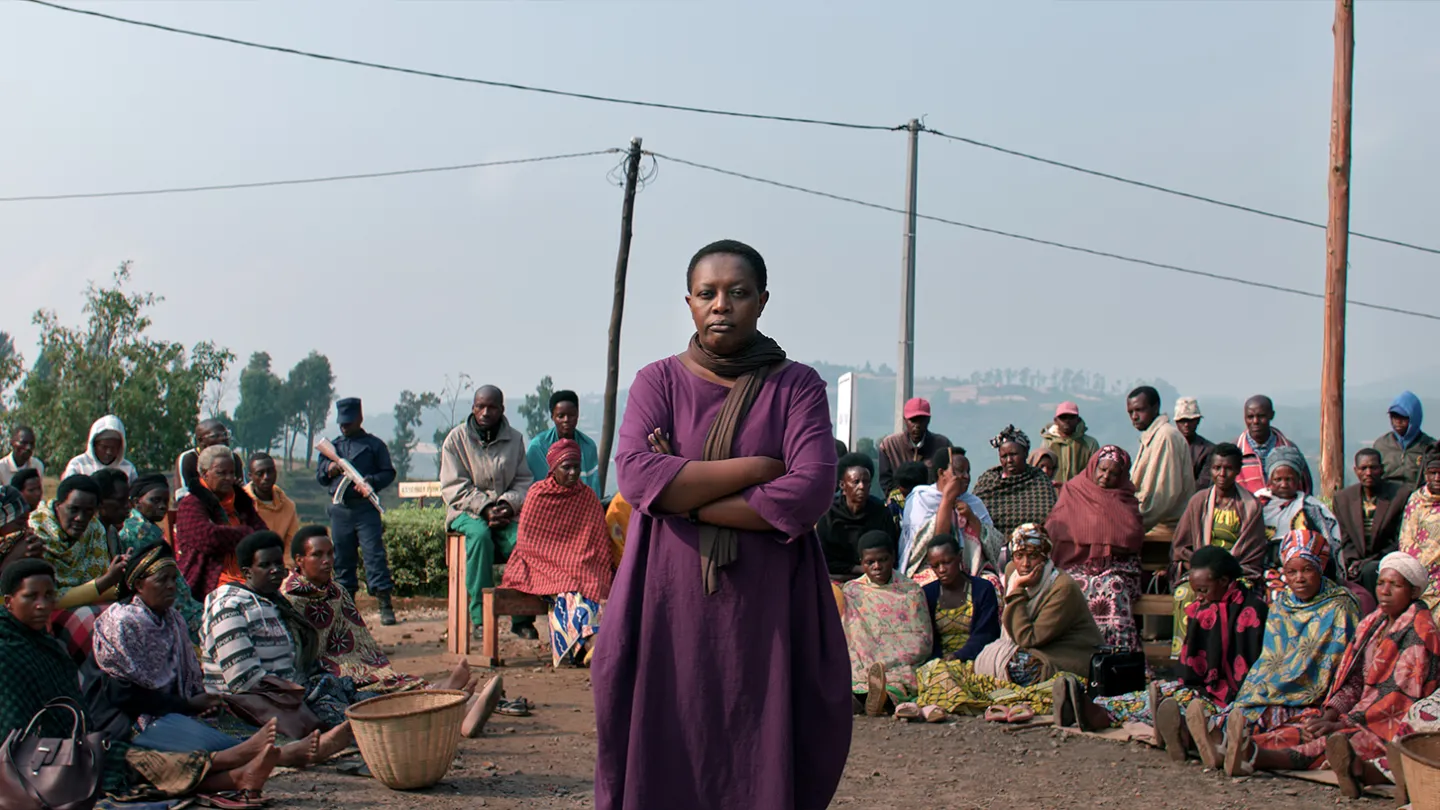
Marie Clémentine Dusabejambo’s Ben’Imana follows a survivor who leads her community toward reconciliation — but doesn’t extend that grace to her daughter
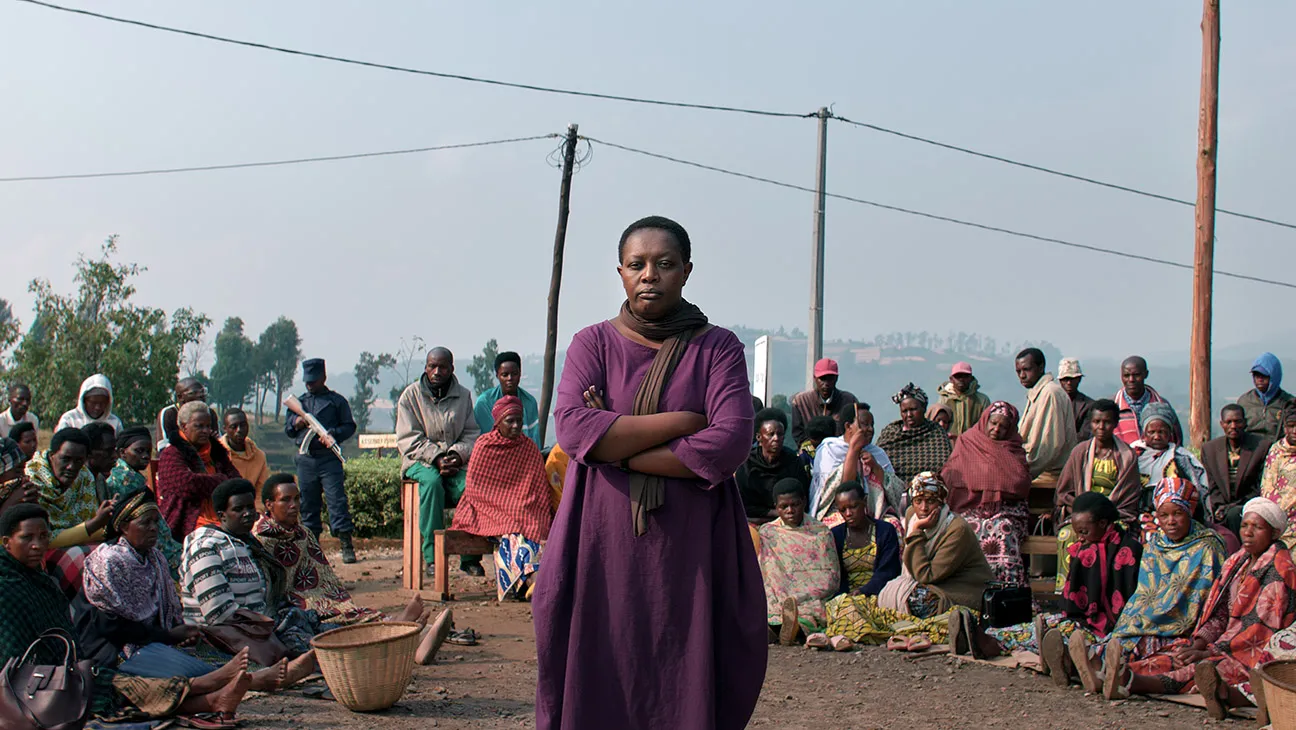
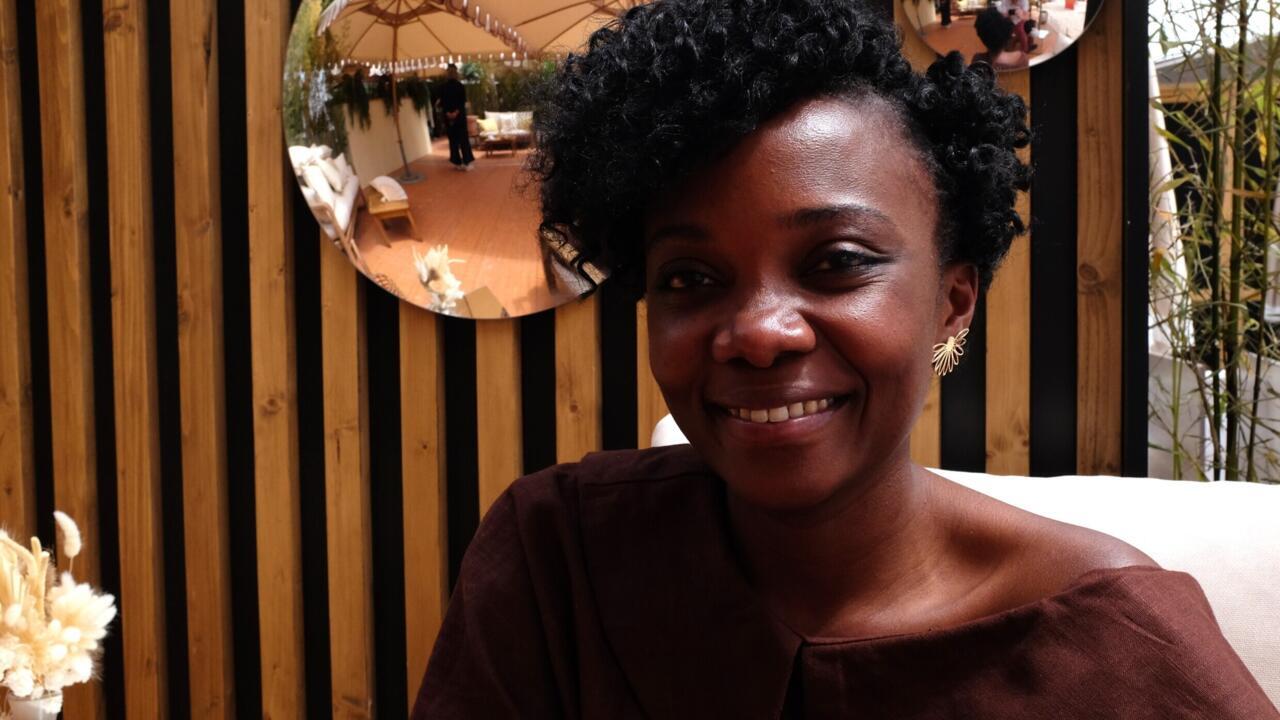
Marie Clémentine Dusabejambo undertook extensive research, over about a decade, for her first feature film, Ben’Imana — a nuanced look at the aftermath of the Rwandan genocide, told from the perspective of women involved in community reconciliation projects and conversations. Dusabejambo listened to harrowing stories from survivors and heard brutal confessions from regretful perpetrators. Initially, she kept crying — this was her community, too, after all, with real wounds unhealed. Then she realized: “They’re not crying when they’re telling me this. Why am I crying?”
That kind of hard-earned wisdom is all over Ben’Imana. In her 20s, Dusabejambo was planning on attending university for electronics and telecommunications before taking a callout for new filmmakers. She fell hard for the language of cinema and quickly knew that she wanted to make her own movie about the legacy of the genocide, which she grew up in. Her first short followed two students, one of whose parents was killed during that period. “At that time I didn’t have knowledge of the weight of what happened during and after the genocide,” she says. “But that led to this film.”