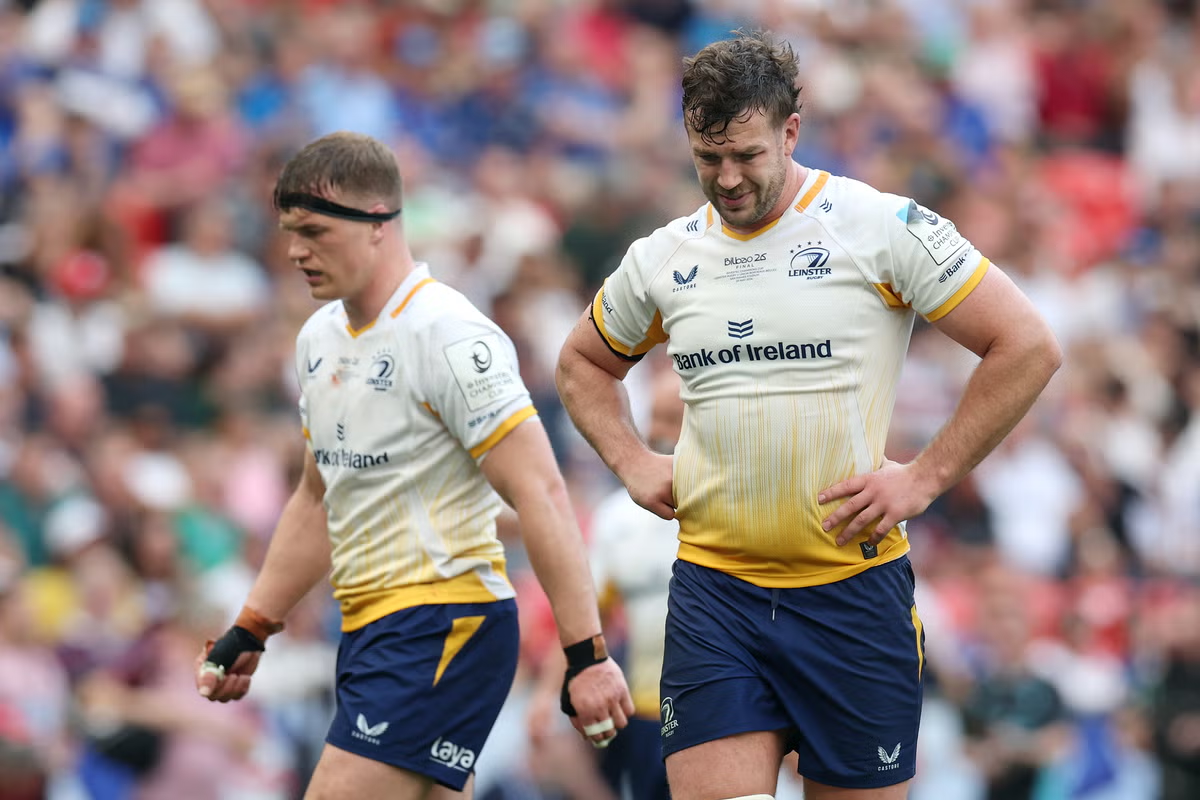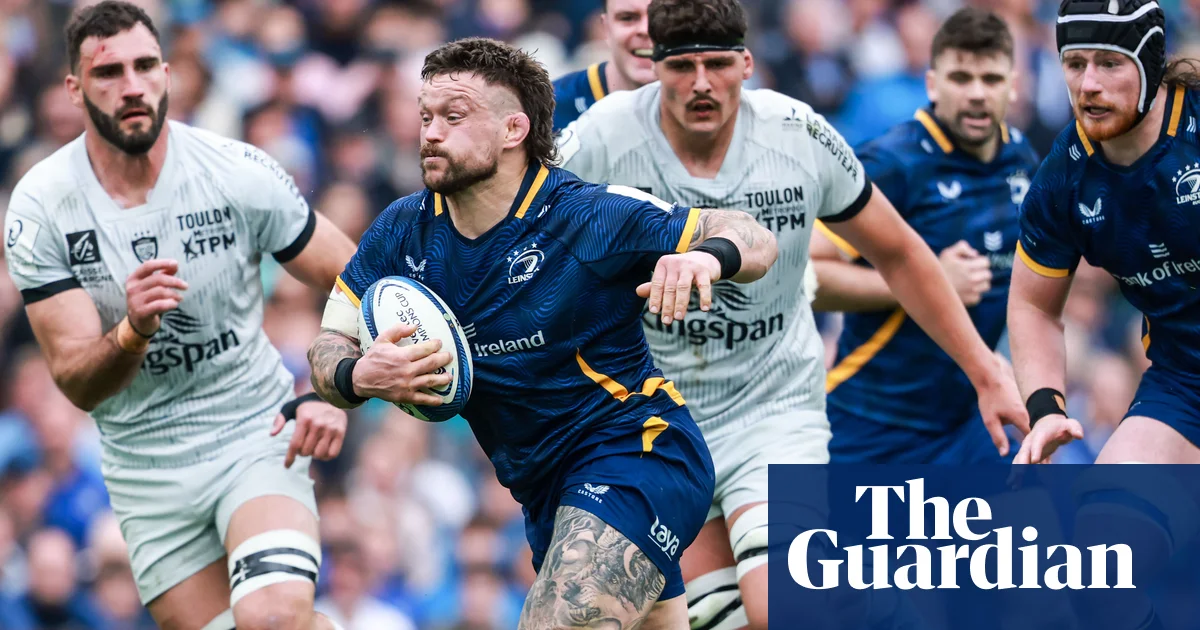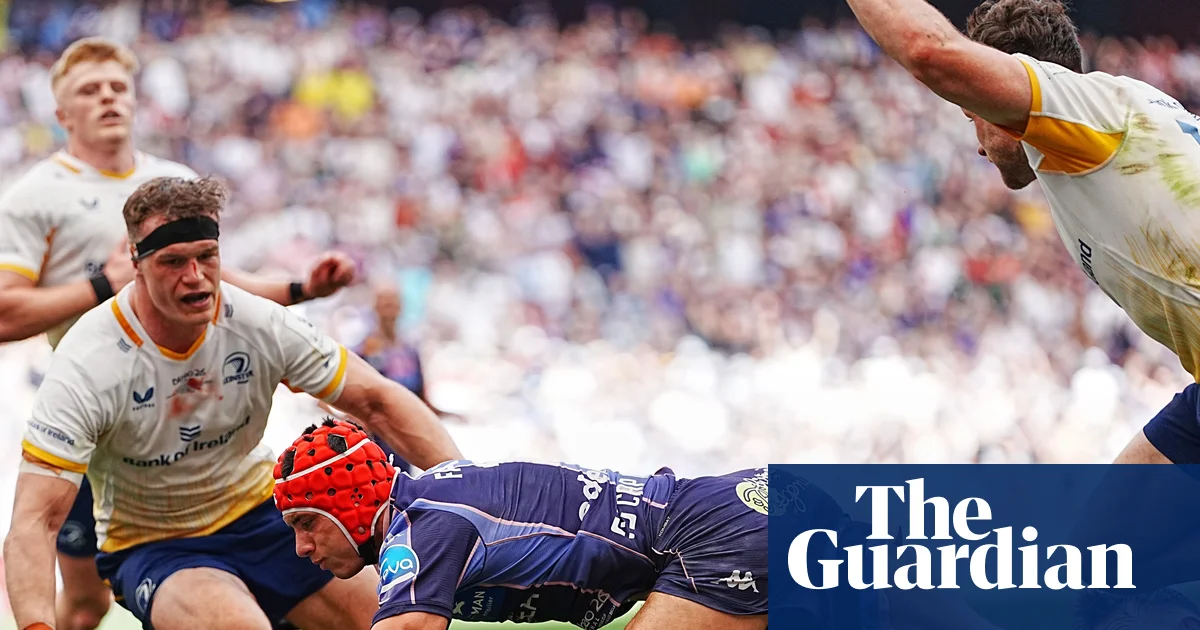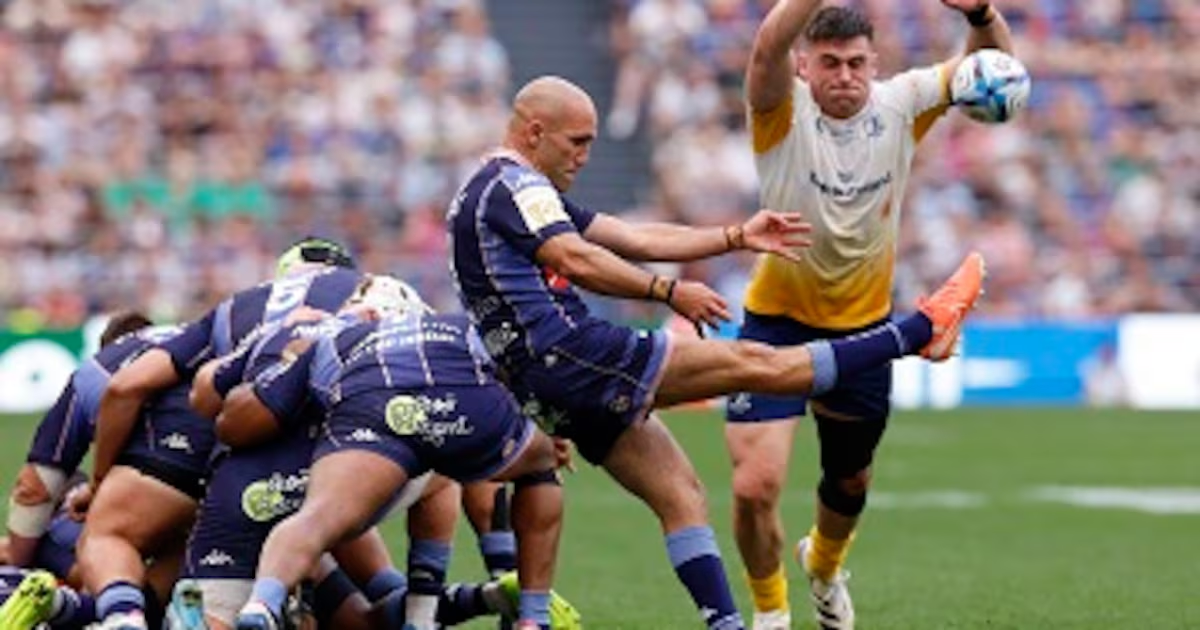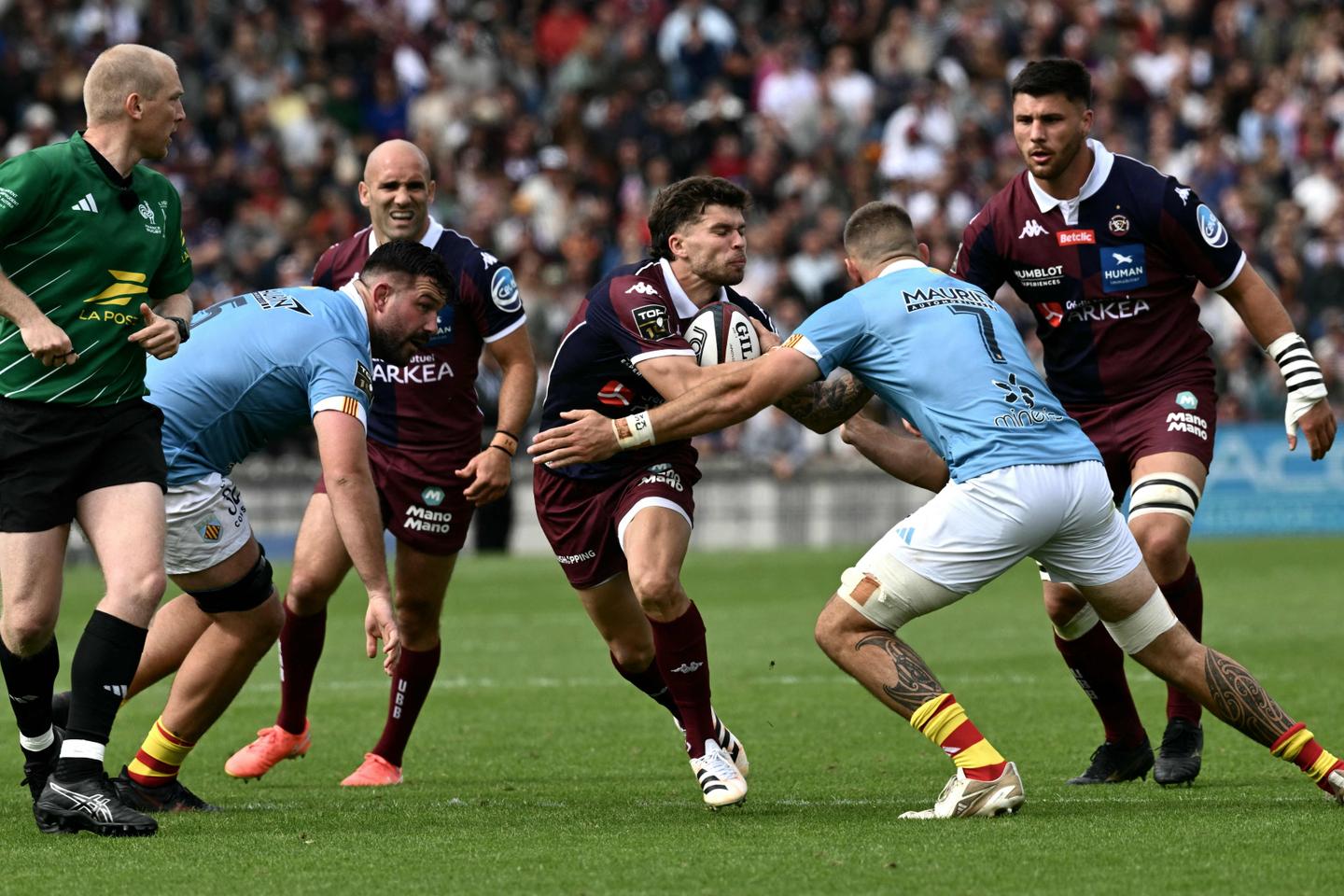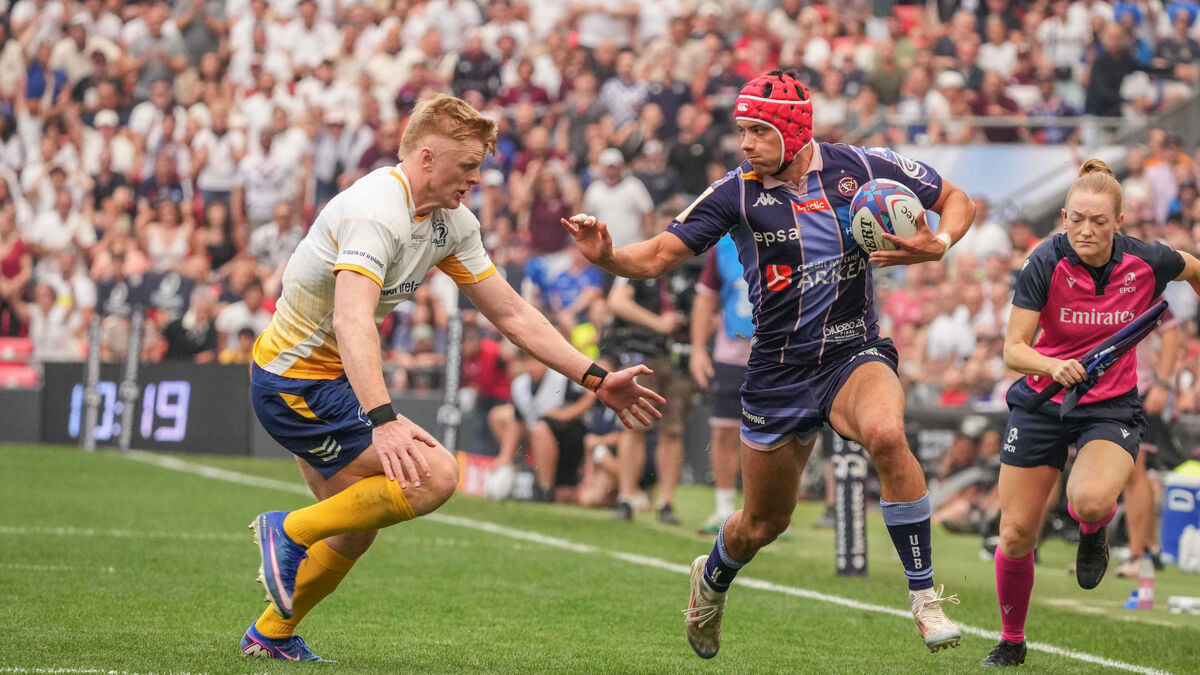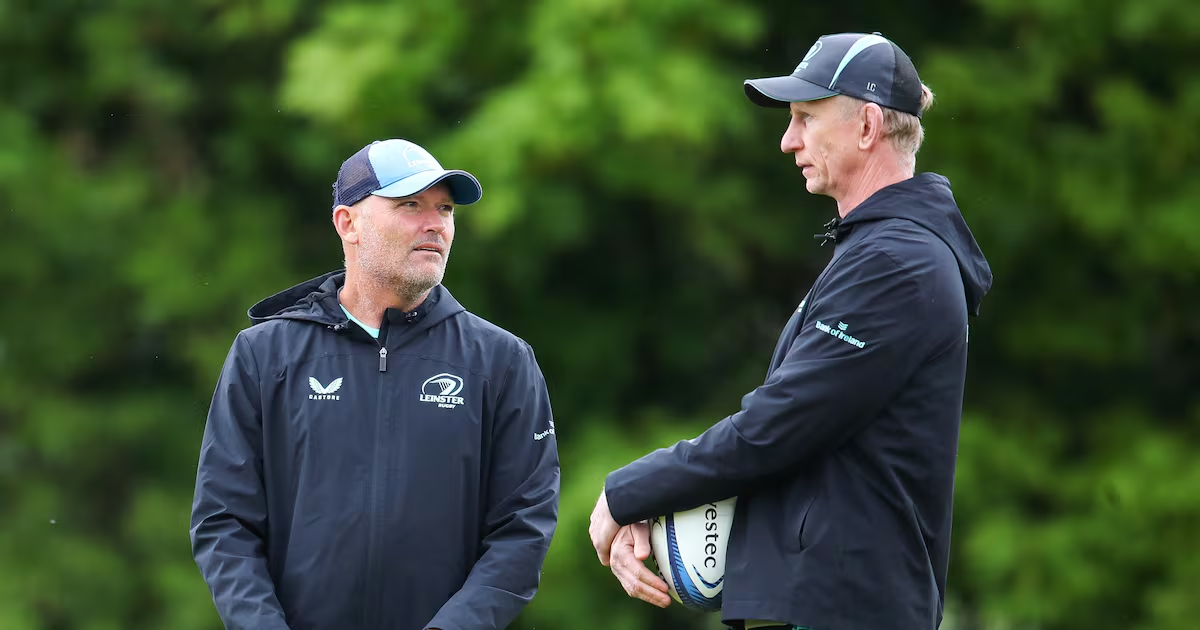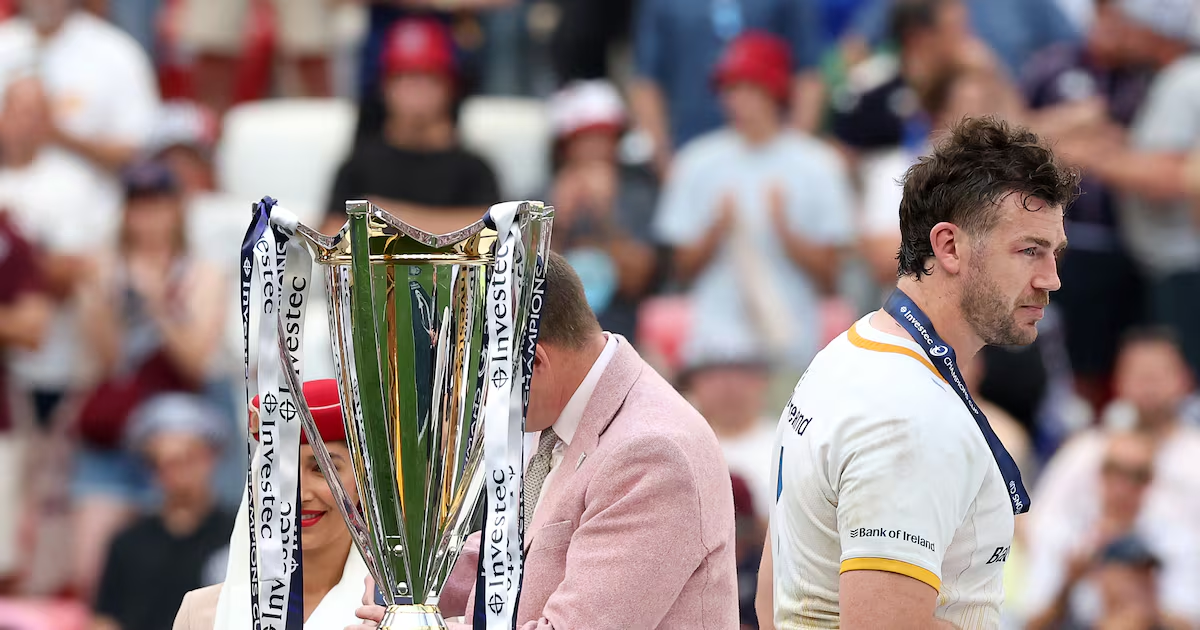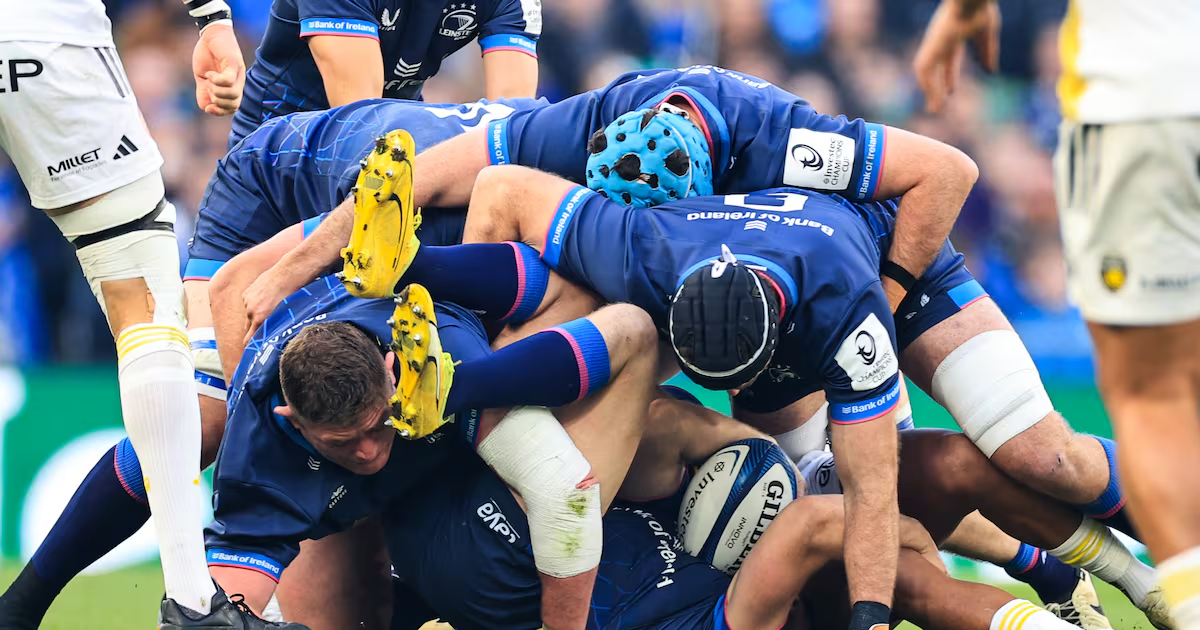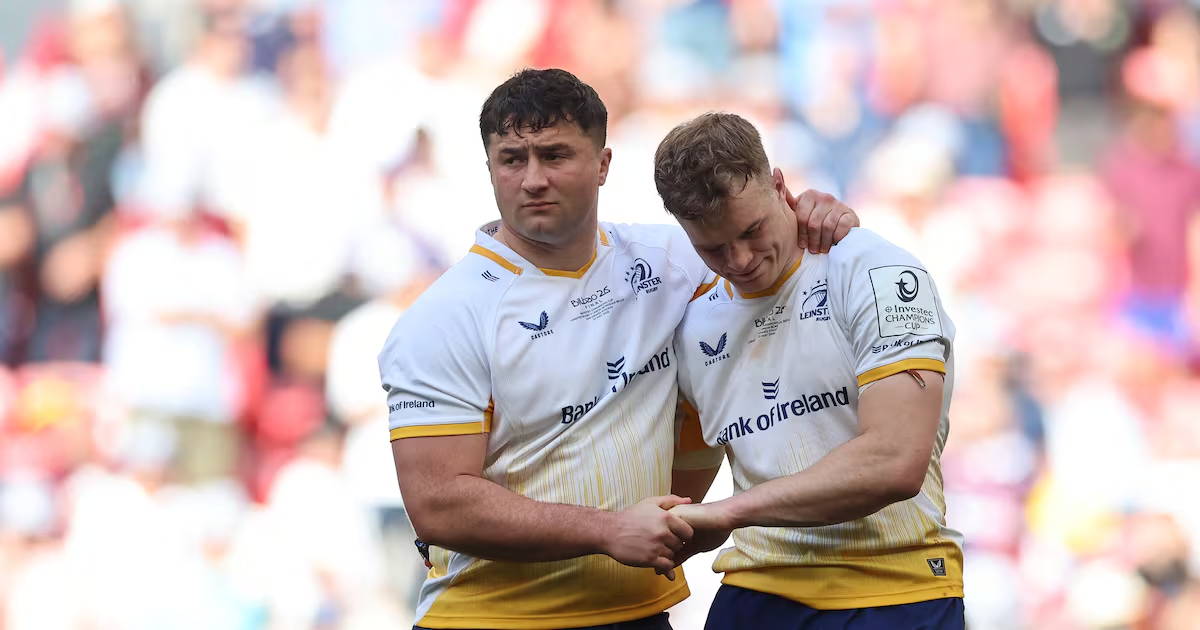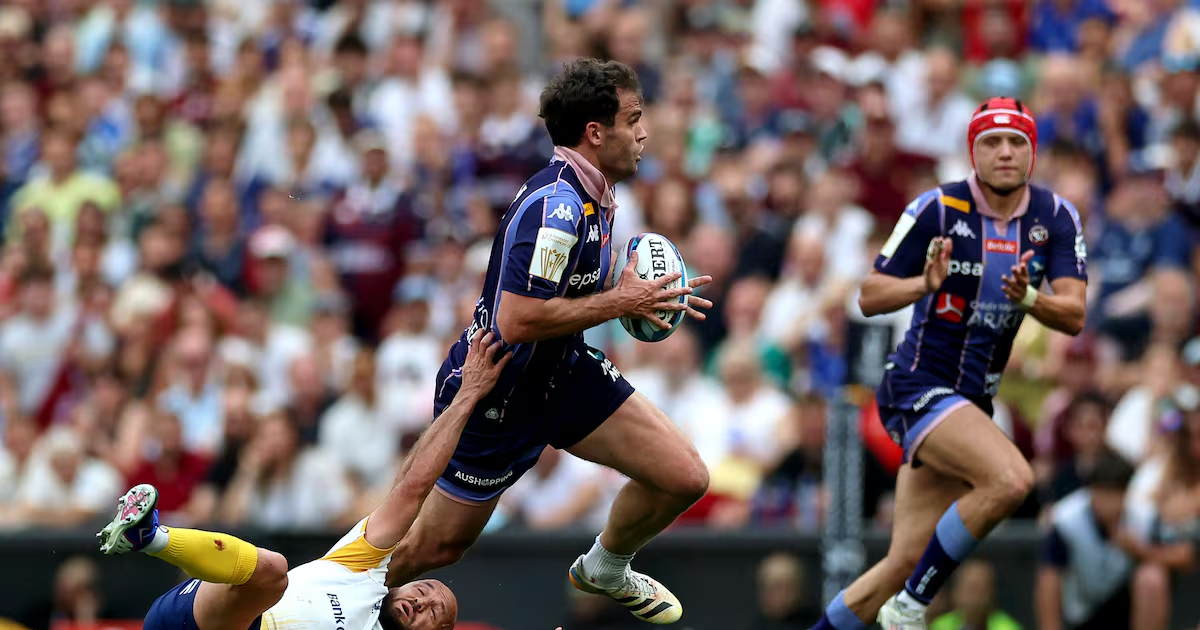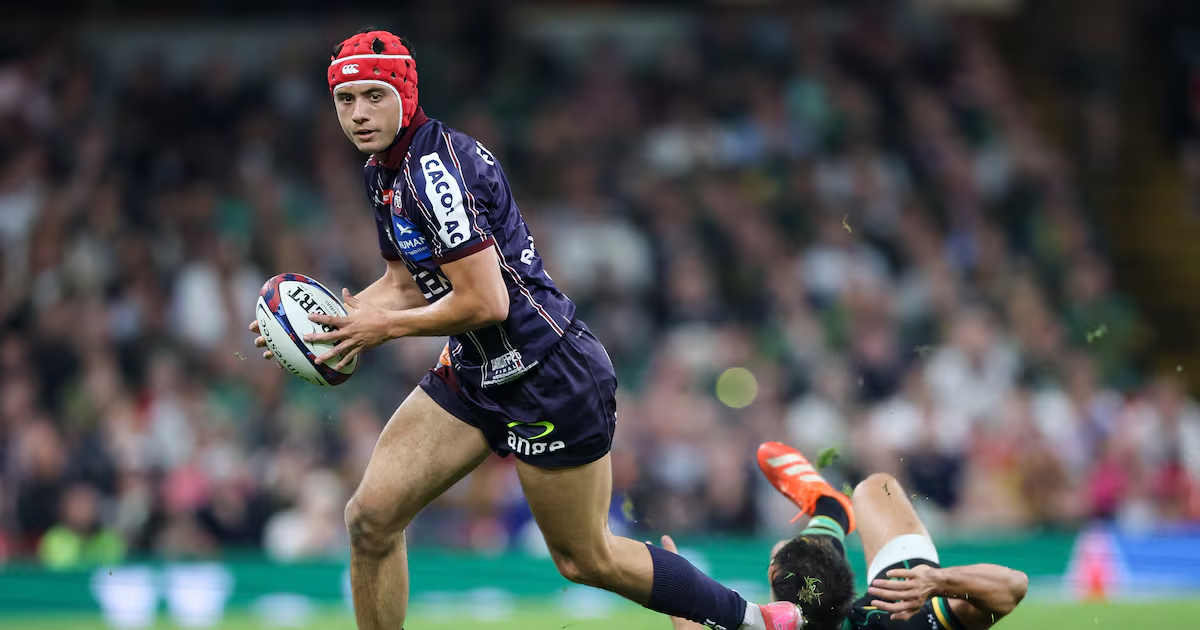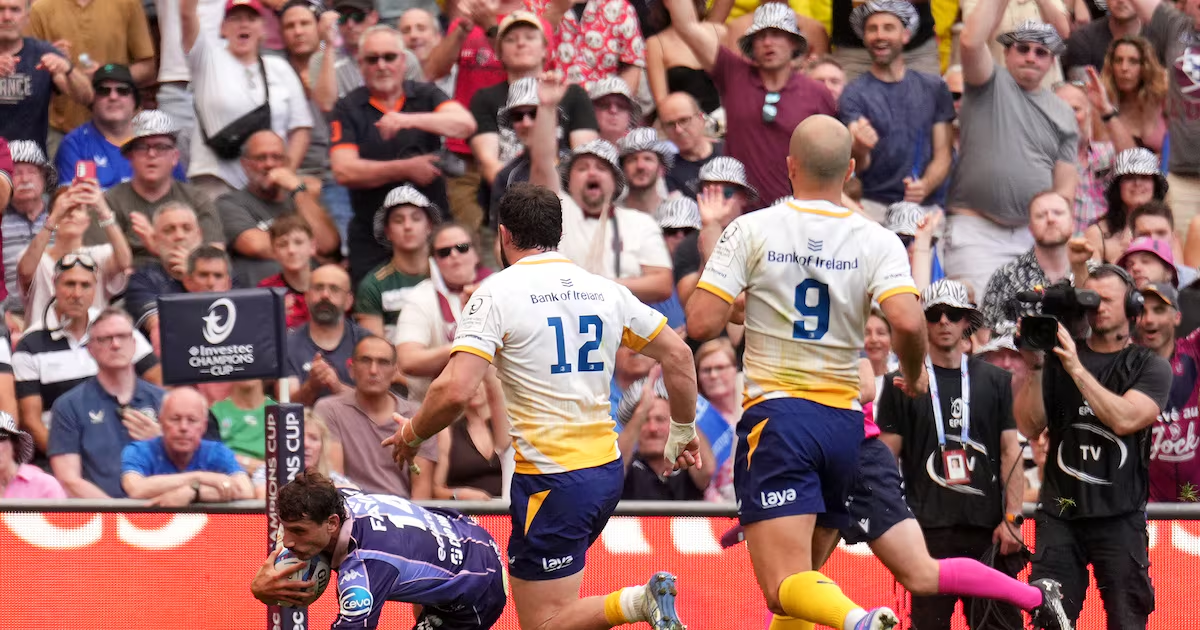
You are what you repeatedly do. Saturday in Bilbao was an illustration of this as the performances of Bordeaux-Bègles and Leinster were fair reflections of their seasons.Bordeaux played with pace, an unscripted yet aligned attack, and the sort of confidence that only comes from knowing exactly what you are about.Leinster lacked all the above. The final score was 41-19, but it was not even that close.Before the postmortem begins, it is worth looking at what Leinster have delivered under Leo Cullen. As an Arsenal supporter, I have considerable practice at accepting an empty trophy cabinet, with second places, third places and the odd FA Cup to keep the faith. There were many years spent watching Arsène Wenger build something beautiful that never converted to winning a Champions League final.So, when a former team-mate cited Pep Guardiola’s record of six Premier League titles and one Champions League in 10 years, I found myself nodding with the quiet solidarity of someone who understands that domestic consistency and European glory do not always go hand in hand.Mikel Arteta finally delivering a Premier League, outlasting his old mentor Pep in the process, is the first genuinely uncomplicated joy I have had as a Arsenal supporter in ages. I will take it.Leinster's Dan Sheehan at the ruck during the Champions Cup final against Bordeaux on Saturday. Photograph: Nick Elliott/Inpho Leinster, over the past 10 seasons, have five URC titles and one Champions Cup from 2018. That may become six URC titles on June 19th. La Rochelle, Toulon and Bordeaux all have Champions Cups but no Top 14 titles, and my strong sense is that a French supporter would take the Bouclier de Brennus over being European champions. That context does not diminish the manner of Leinster’s loss on Saturday. But it is important, and it tends to get lost in the noise.Bordeaux were better in every facet of play. That is not unusual in itself, Leinster have faced better-resourced opposition in previous finals. What is different this time is the sum of their parts did not compensate for individual deficit.In previous finals there was usually a reason for coming up short. Not here. Bordeaux were quicker in thought and ruthless in the moments that decided the outcome.When Yoram Moefana intercepted Harry Byrne’s pass on the stroke of half-time, the game was over.But Pablo Uberti’s try (from 1.30 in the video above), to make it 12-7 early on, crystallised the problem with Leinster’s defence. Maxime Lucu’s pass from a scrum advantage cut out two defenders and engaged a third. The Leinster midfield never adjusted their spacing. Rather than pressing from the outside or the midpoint, they came from the inside and failed to stress the Bordeaux attack.What followed was a simple catch and pass, with Reiko Ioane stuck in no man’s land, unable to intercept or recover.It showed a Leinster side trying to operate within a system rather than defending what was in front of them. I have written about this before in the context of attack, where a player can read what is happening rather than what the pattern prescribes, but the same principle applies in defence. Joe McCarthy did it in the dying minutes against Toulon when he ducked under the defensive line to run down Gaël Dréan. That type of adjustment was largely absent against Bordeaux.The defensive system Leinster operate requires correct spacing, clarity of roles and the confidence to unleash the line speed that forces an attacking team to pass earlier than they would like, or to drop deeper than is comfortable.The confidence usually flows from dominance at set piece. When you are winning the first collision, the system works. When you are not, gaps appear. Leinster have struggled on the gainline this season. In the Bilbao sunshine, Bordeaux exposed every crack.The attack tells a similar story. There are multiple ways to use the width of the pitch without simply moving the ball wide and hoping for the best. When I played with Shane Horgan, Denis Hickie, Luke Fitzgerald and Rob Kearney, myself and Brian O’Driscoll in the centre both knew there was a chance one of the lads was going to have a cut from turnover ball. The challenge was always getting back quick enough to offer an extra pair of hands without compromising the solidity of the front line. It was not always an A+ opportunity, but how many times did you see O’Driscoll appearing at the end of a passage of play in a completely unorthodox position?That kind of alignment, unscripted but understood, is what Bordeaux have and what Leinster lack.The coaching question sits at the heart of this issue. I want to be fair. Before Cullen took charge, Matt O’Connor often found it difficult to conceal his frustration with Leinster. He had a similar approach to Gary Ella, another Australian who did not last long as head coach.Neither Aussie wanted to prescribe the outcome. Shape the environment, absolutely, and provide a platform, but leave the final decision to the player. That philosophy is harder to communicate, more intangible, but when it works... The best example is Hickie’s try against Toulouse in 2006.Bordeaux had licence to attack from anywhere, whereas too many Leinster players looked like they were sticking to a rigid plan. I would rather lose playing the game that emphasises the talent within a squad, than go down without having really fired a shot.There is a quarter-final against the Lions at the Aviva on Saturday night. Another URC title is very much in Leinster’s sights, and it matters. The season is not over but the conversation about what comes next, about whether this coaching group can unlock what this team is genuinely capable of achieving, is a conversation that will not go away.
Gordon D’Arcy: Can Leinster’s coaching group unlock what this squad is capable of achieving?
After a fifth Champions Cup final defeat, the conversation about what comes next will not go away
956 words~4 min read