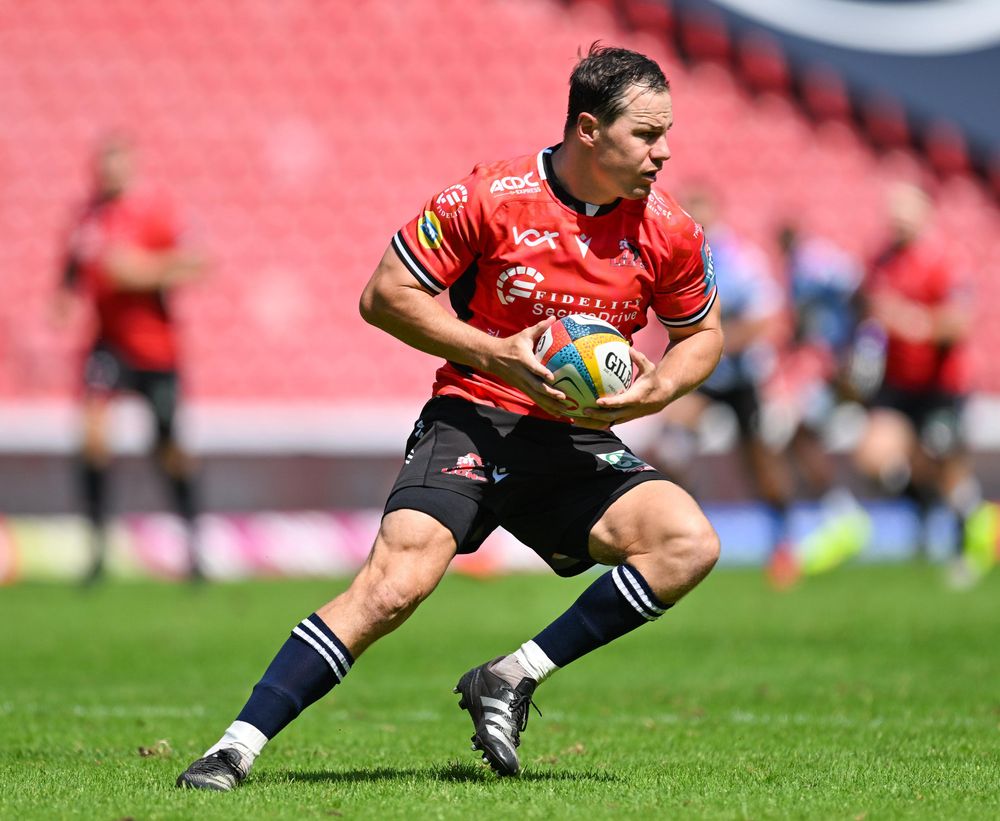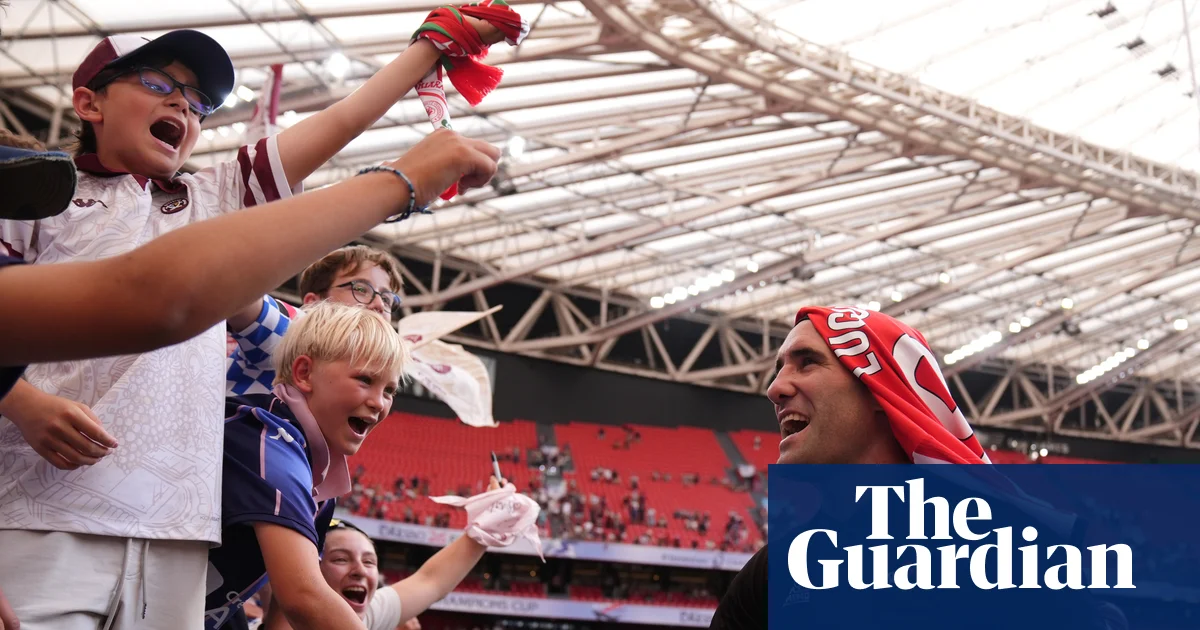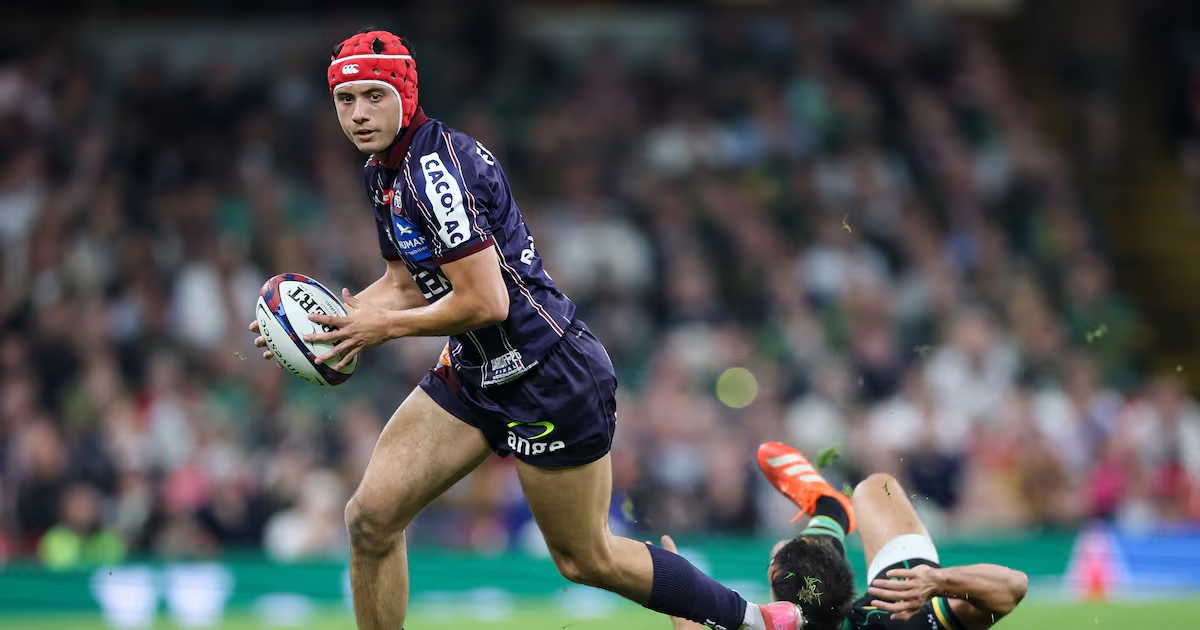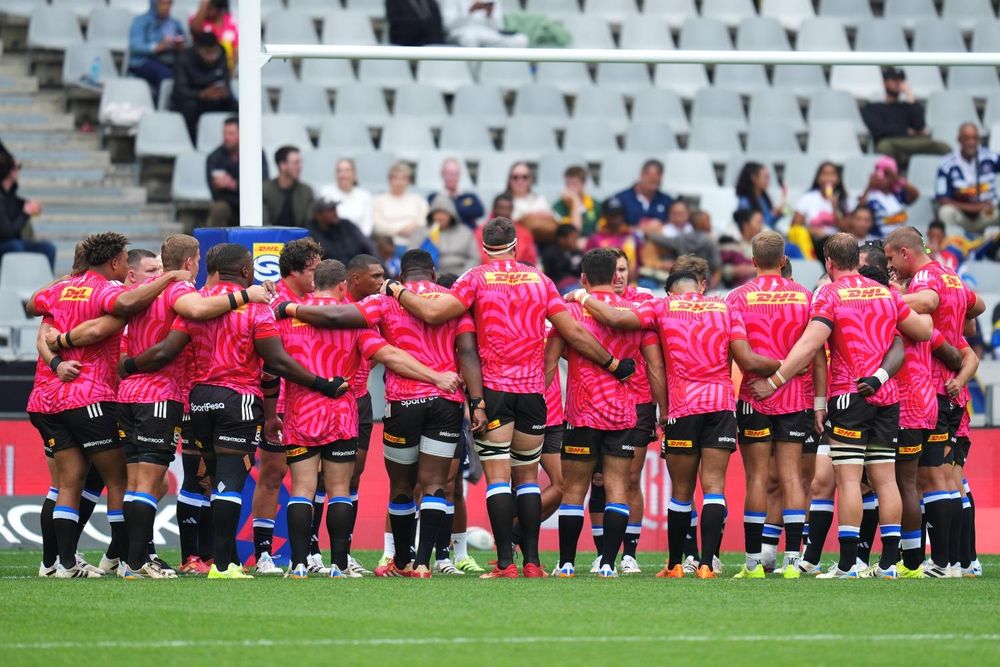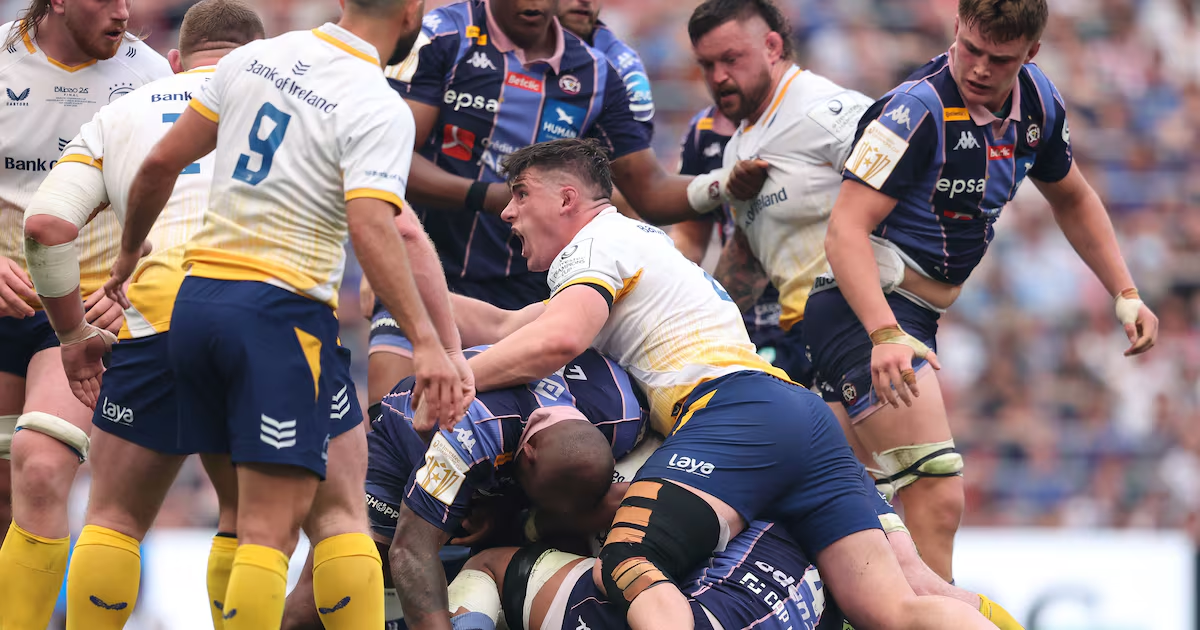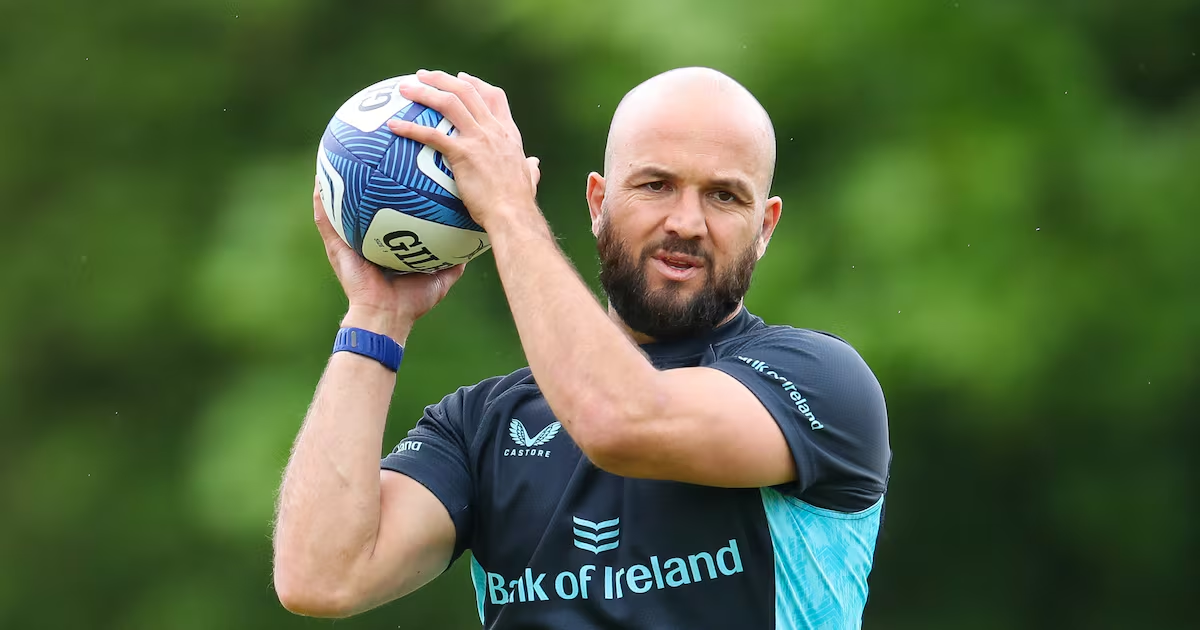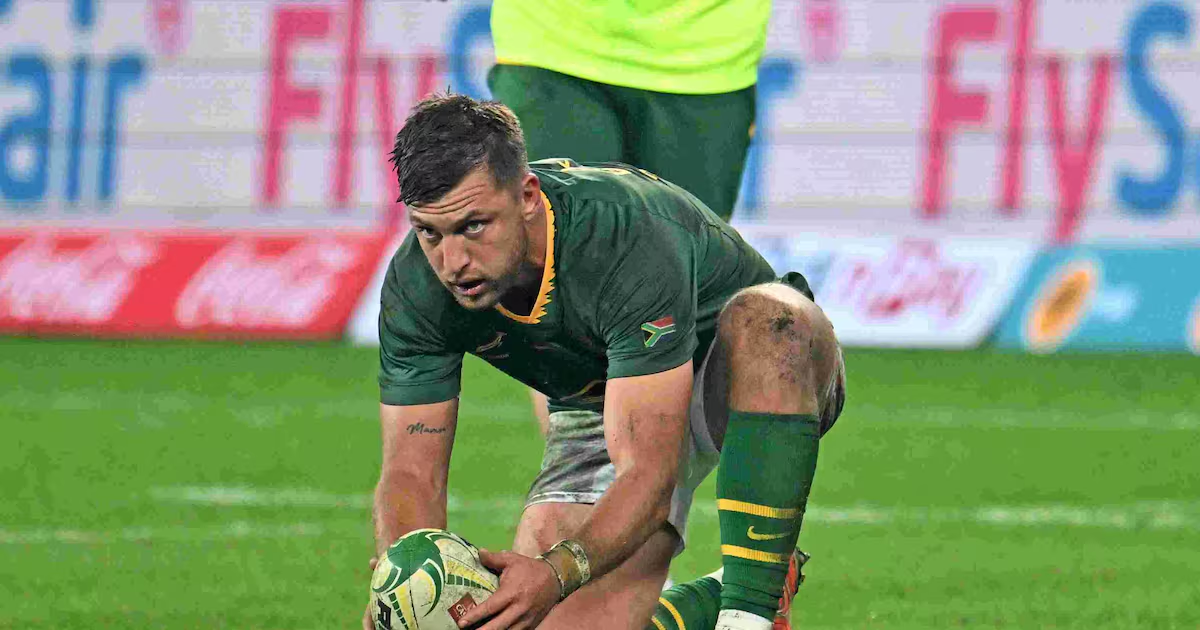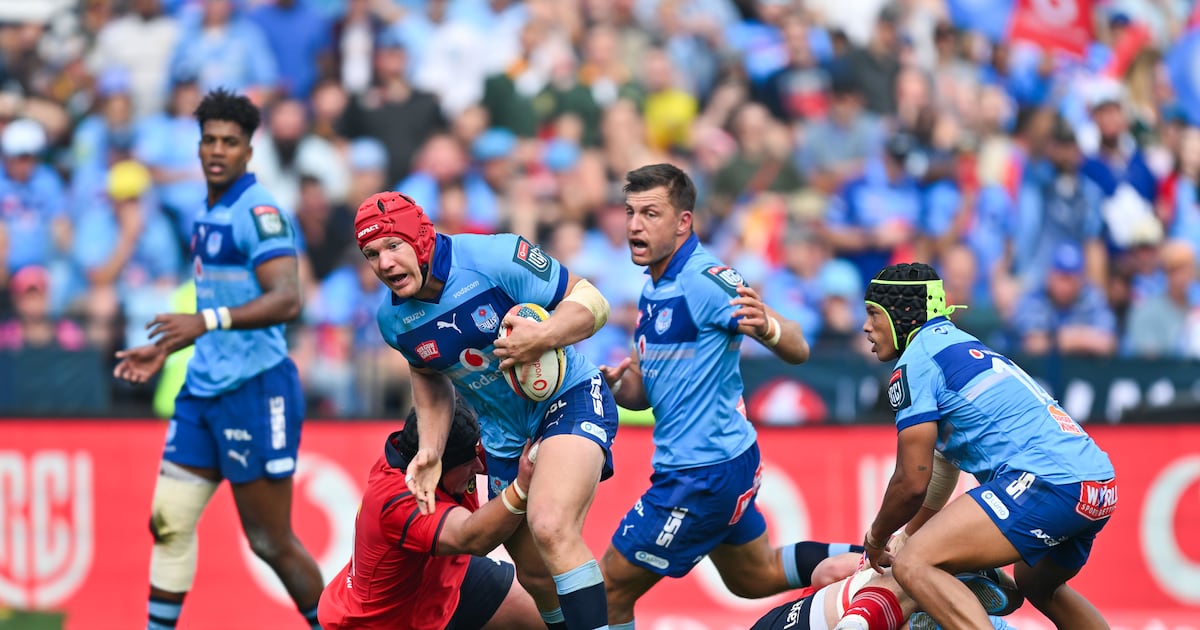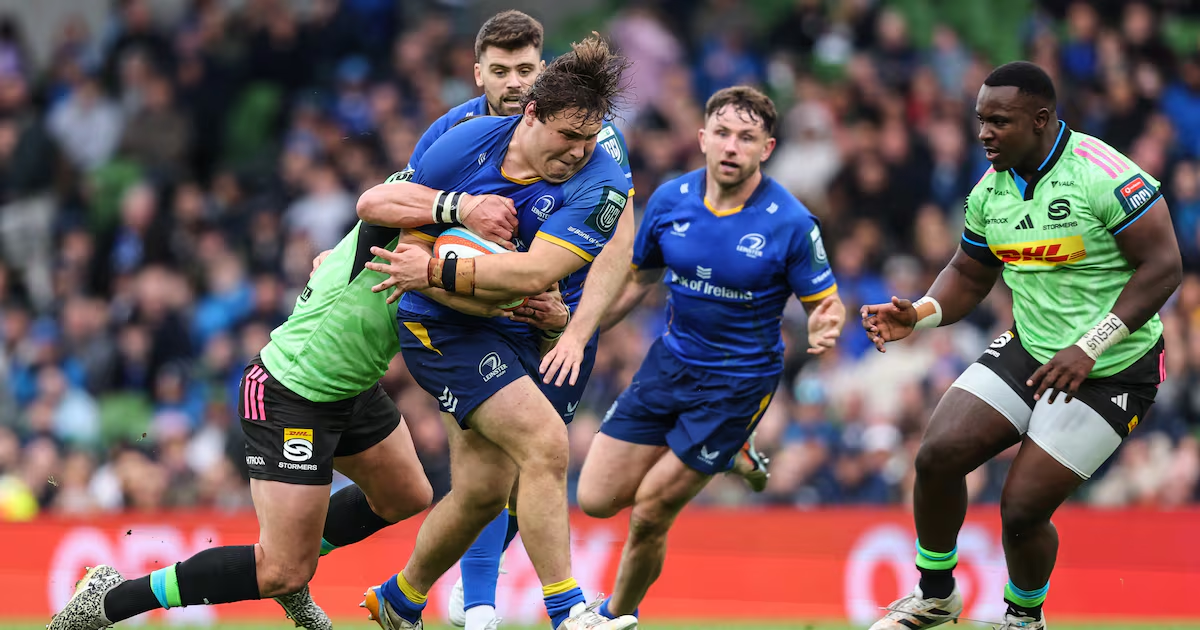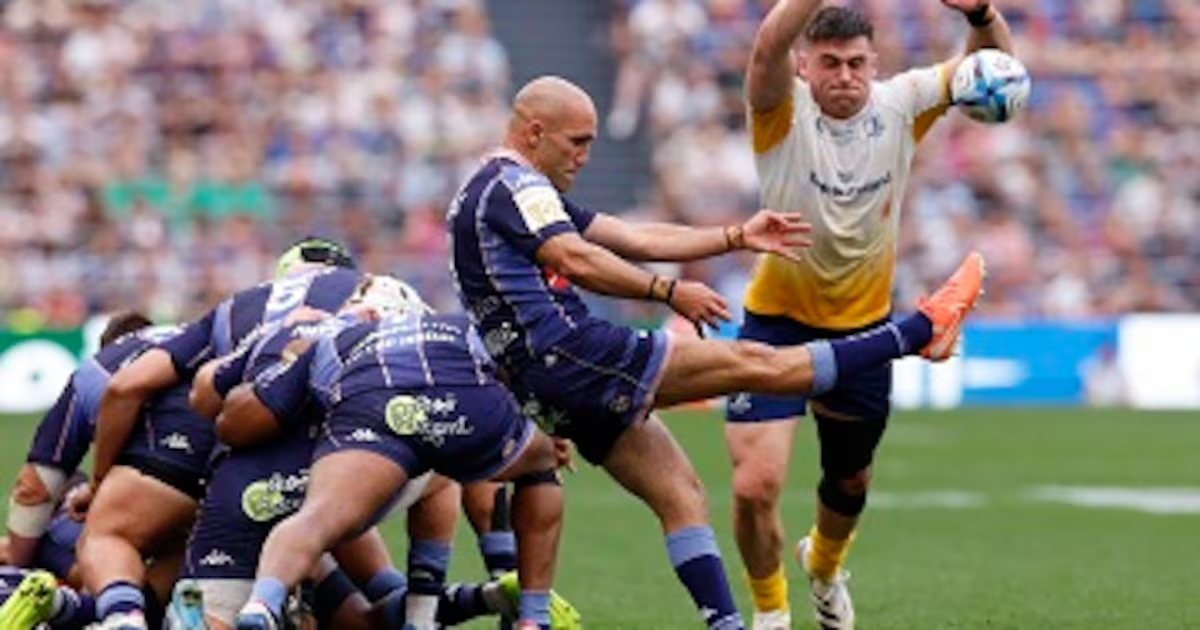
The physical component of Bordeaux-Bègles’ suffocating win in the Champions Cup final will have encouraged the South African teams set to face Leinster in the URC playoffs, but the European decider also provided a stark reminder of what they lack — the presence of an experienced, game-driving scrumhalf. The X-factor of wing Louis Bielle-Barry and flyhalf Matthieu Jalibert were big focuses heading into the final in Bilbao, and they didn’t disappoint. But Jalibert wouldn’t be the threat he is were it not for the generalship of scrumhalf Maxime Lucu at scrumhalf. Lucu was the game’s most influential player.A big part of Bordeaux winning so comfortably was their success in minimising the threat posed by Lucu’s opposite number, Jamison Gibson-Park, while maximising Lucu’s opportunity to exert his authority.The flyhalf is often spoken of as the rugby team’s general, the player who drives play and directs it, but that is not always the case. Butch James did a solid job at flyhalf when the Boks won the 2007 World Cup, but his job was eased by having the real architect of that South African success, Fourie du Preez, as his halfback partner.Du Preez was very much the playmaker and game driver, just as Lucu was for Bordeaux at the weekend and Gibson-Park would have been expected to be for Leinster if they were to pick up their fifth Champions Cup title. Since the retirement of Johnny Sexton, it has been Gibson-Park who has fronted the challenge of being the game driver for Leinster and Ireland.If they bring the same physicality to their defence and forward effort that Bordeaux brought to the final, the Lions might just stand an outside chance next Saturday when they meet Leinster in Dublin in the quarterfinal. And even more so the Stormers if, as expected, the Cape team wins against Cardiff next week and Leinster does the same against the Lions and the two teams meet in a Dublin semifinal.But while the Lions and Stormers have talented, promising scrumhalves on their books in the form of Hashim Pead and Imad Khan, respectively, injuries have robbed them of the experienced, influential No 9s that might have been mentioned in the same breath as a Gibson-Park or a Lucu regarding proven experience.Cobus Reinach was excellent at the international level last year. But he won’t be in Dublin due to the leg injury suffered in the Stormers’ final home league win over Glasgow. He is in a race against time to be ready to play any of the games in the home stage of the Nations Cup against England, Scotland and Wales in July.Morné van den Bergh has long been the Lions’ Gibson-Park and was shaping to be in the frame to play that role for the Boks before the biceps injury that requires an operation and will keep the Lions’ playmaker out of rugby for four to six months.So that is two Bok scrumhalves missing from two of the SA sides still alive in the URC, and had the Sharks still been there, they would be missing two. There’s no certainty when Grant Williams will be playing again, and Jaden Hendrikse is struggling with recurring concussion problems.While Khan and Pead are both future stars and can use the opportunity of playing in the business end of the URC to their advantage, the home-based scrumhalf Bok coach Rassie Erasmus should most want to see perform is a man he last used in 2018 ― the Bulls’ Embrose Papier. There is also veteran Faf de Klerk, who has reportedly been back to his best form in Japan, but the scrumhalf stocks do look a bit thin regarding experience.It could well bring into the frame another player Erasmus last used back in 2018 ― the former Bulls No 9 Ivan van Zyl, who is set to return to South African rugby by playing for the Sharks after several seasons with Saracens. Van Zyl, now 30, is highly rated by the aforementioned Du Preez, and there can be no higher recommendation than that.
GAVIN RICH | Veteran scrumhalves key missing ingredient for SA teams’ URC challenge
Bordeaux’s Champions Cup triumph highlights value of experienced No 9s as injuries hit playoff contenders
670 words~3 min read