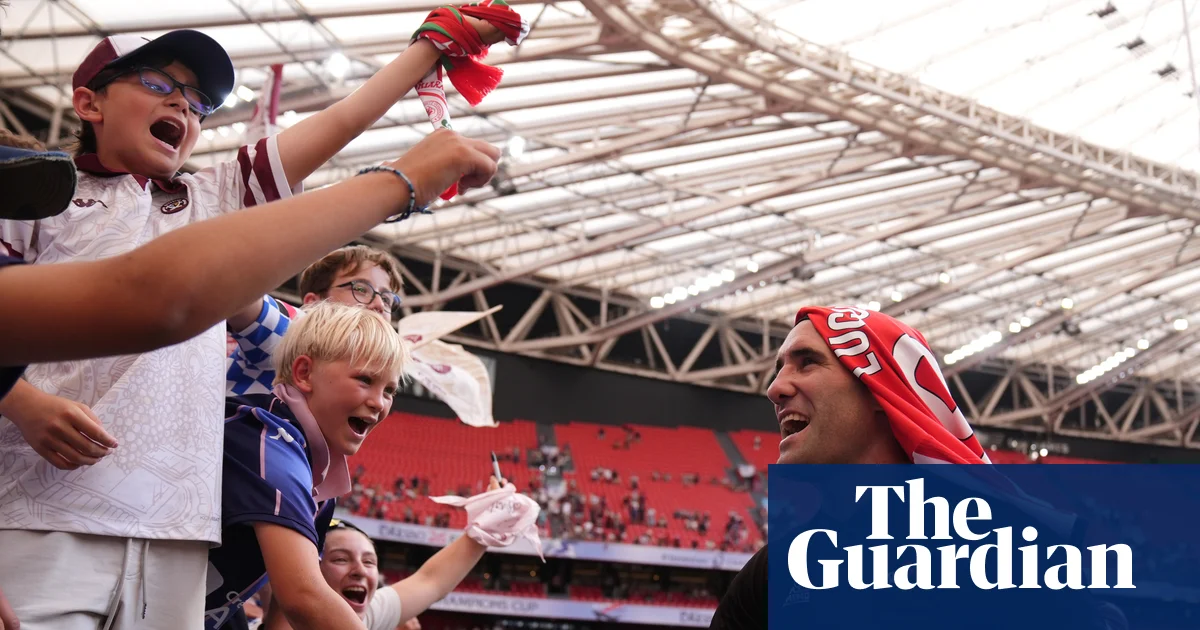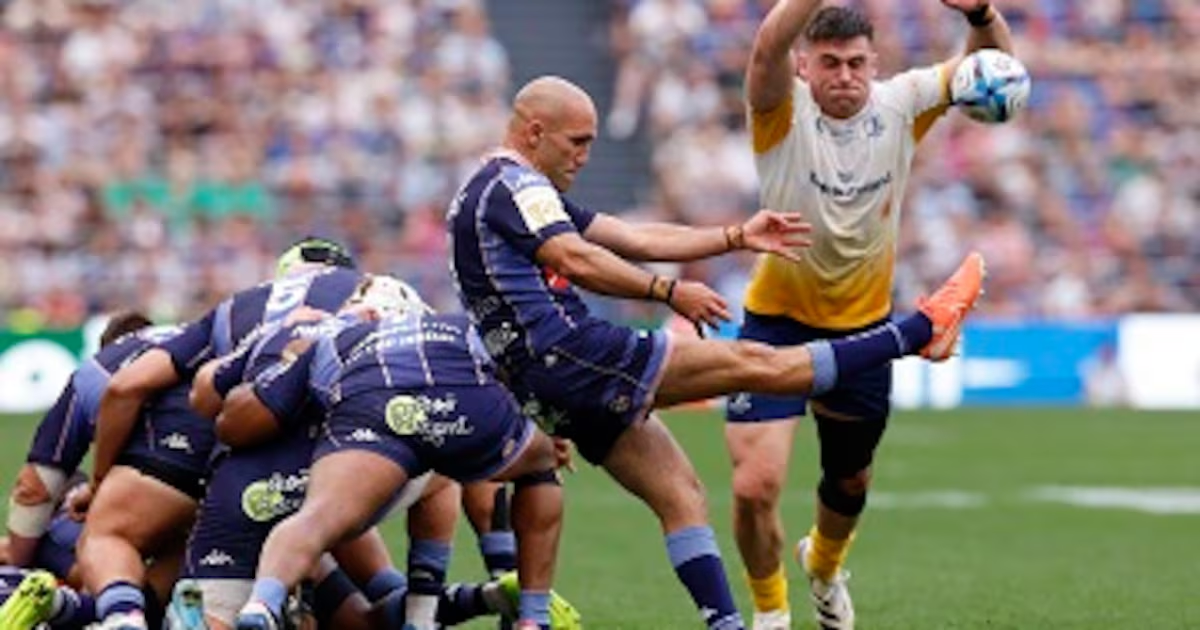
In a way, the narratives ahead of Saturday’s Champions Cup final write themselves: Leinster’s blitz vs the attack run by their former academy manager, Noel McNamara. Jacques Nienaber’s defence shut down Toulon so effectively for an hour earlier in this competition, only to fall away in the dying stages. Thoughts, therefore, inevitably turn to how onrushing blue defenders will fare against the Union Bordeaux-Bègles strike-runners. There are, of course, other areas of this contest that will be influential on the result. Bordeaux’s set-piece power, their propensity to allow sides into their 22, and Leinster’s somewhat positive attacking metrics. Leo Cullen’s side are in an unfamiliar underdog position. There are nevertheless a handful of areas that suggest Leinster might be able to avoid succumbing to a counter-attacking masterclass. Flying BordeauxBordeaux’s attack is good, we all know that. But just how good? They’ve average 6.4 tries per game in this year’s Champions Cup, 43.6 points, 537.4 metres, 34.3 defenders beaten, 17 clean breaks and 15 offloads. All of those numbers are a good bit better than Leinster’s equivalents. They do this by playing largely without the ball, averaging 10 fewer carries and 30 fewer passes per game than Leinster in this year’s competition. Across their quarter- and semi-final victories over Toulouse and Bath combined, Bordeaux’s opponents made 85 more carries. When they have possession, UBB are mighty efficient.How? In part thanks to their famed transition. When they get the ball back off a turnover or kick, they can strike quickly. Attack coach McNamara hunts the famed zero-ruck try. This is largely why Matthieu Jalibert leads the Champions Cup for defenders beaten (34), why Louis Bielle-Biarrey is the top try-scorer (eight) and Salesi Rayasi isn’t far behind in third (seven). They average 15 offloads per game (compared to Leinster’s 6.9), avoiding rucks that give defenders a chance to slow down their ball. They’ve scored 16 tries in transition and five from restarts this year. How do you stop it?Few teams have found an answer. Limiting errors is one thing, but that can be easier said than done. Kicking the ball deliberately off the park (and into the stand to avoid quick lineouts) is another option, but that could simply open up another avenue for Bordeaux. Former Leinster analyst Brett Igoe has created an informative social media graphic pointing to various data points. Of particular interest is the 13 lineout tries scored by the French side. Granted, some of these will be rolling mauls, but Bordeaux pose a threat off first-phase strikes to go with the transition. There’s an element of ‘damned if you do, damned if you don’t’. To a point, the required strategy turns towards going head-to-head with Bordeaux. Turn it into a basketball game, up and down the park. Go at them by scoring yourself. OpportunitiesIf that is part of Leinster’s plan, there is a positive thread to pull at. For all the deserved praise for Bordeaux’s attack, the corresponding trends suggest that Leinster will get opportunities. Statistically, UBB’s approach can be high-risk, high-reward. In their two most recent knock-out matches, Bordeaux coughed up more turnovers than their opponents despite having less ball.Much like turnovers give Jailbert, Bielle-Biarrey et al chances to strike, Bordeaux losing possession presents similar opportunities for Leinster. They do not have these same offloading, strike-running threats, but they are no mugs in the transition game. Leinster have scored 12 tries on counterattack this season. Improvement in this area has been a significant focus, both for Leinster and Ireland. Now’s the time for it to come good. Another area of blue-tinged optimism is territory. There is a growing wisdom that one of the more important rugby stats is the differential between 22 entries gained vs allowed. Against Bath, Bordeaux crossed the 22 a dozen times but let the English side close to their own line on 11 occasions. In the quarter-final, Toulouse had 11 entries to Bordeaux’s 10. By limiting opposition scoring efficiency, Bordeaux have a record of good defensive work inside their own 22. Hitting three points per entry is seen as the gold standard. Toulouse were at one, while Bath reached 2.3. Being a good defensive side close to your own line is clearly a desirable trait, but there is a line of thought that relying on such a rearguard is unsustainable; good sides will eventually score if given enough chances. In their semi-final against Toulon, Leinster were remarkably efficient with 4.3 points per entry – albeit they only crossed the 22 six times. In the other knockouts, Leinster had double digit 22 visits at 3.3 and 3.5 points per entry respectively. None of which guarantees that Leinster’s efficiency will continue into a one-off final. We all remember how many 22 visits were wasted against Toulouse back in 2024. What can be said is that based on recent Bordeaux performances, Leinster should earn opportunities. Both off turnover ball and inside the 22. Kicking There will be kicking in this game. Plenty of it. Both Leinster and Bordeaux kicked roughly once for every four passes made in their semi-final. One way Leinster can limit transition opportunities is to stop Bordeaux from winning the ball back when they do kick. Keep an eye on how they contest when receiving. Generally, the man going up is a winger running back from the defensive line, instead of one rushing forward from the backfield. This means the defensive jumper has his back to the chaser. Tommy O'Brien (circled) contests a Toulon kick by running towards his own line, instead of rushing up from the backfield. This forces Bielle-Biarrey and co to leap through a body, presenting an obstacle that isn’t there when two players jump face-to-face. Winning the contestables is always an important factor in deciding the game. Even more so when facing a team that thrives on the unpredictability that follows when the ball hits the ground. Set-pieceBordeaux have scored more lineout tries than Leinster this season, but the province relies on that set-piece for a greater portion of their scores. Now would be a good time to mention Bordeaux’s defensive lineout work, limiting Toulouse and Bath to 82 and 73 per cent success rates respectively. Leinster, for their part, were picture perfect when securing their own lineout ball against Toulon. The scrum that day was also excellent, Andrew Porter’s power a welcome return alongside a strong performance from Thomas Clarkson. Bordeaux have a strong record of their own of securing points from scrums. In most of the above stats, there are few zingers that point to a dramatic advantage one way or the other. In a knockout game, you tend to back the better kicking, set-piece and transition side. That is why Bordeaux are favourites, but there are certainly ways that Leinster can narrow that gap.
Where the Champions Cup final between Leinster and Bordeaux will be won and lost
French club the favourites but opportunities remain for Leinster to overcome UBB counterattacking masterclass
1,127 words~5 min read