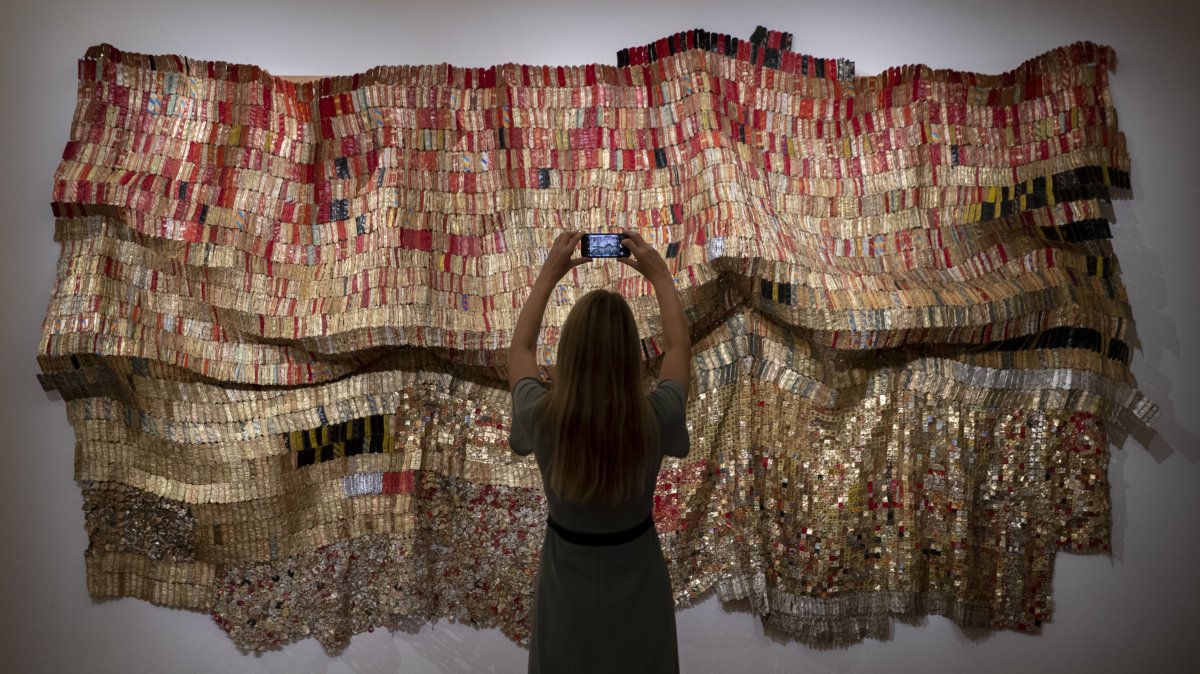
The conversation around sustainability in art has, in recent years, evolved from a niche institutional concern into one of the defining philosophical tensions of contemporary culture itself. Yet the more the word “sustainability” enters museum walls, biennials, art fairs and artist statements, the more urgent another question becomes: Is art truly becoming sustainable, or is sustainability itself becoming aestheticized? In other words, are we witnessing a profound ethical transformation in artistic production, or merely the emergence of a new visual language fashionable enough to satisfy cultural expectations while leaving the machinery of excess untouched?
This question matters because the contemporary art world has long occupied a paradoxical position. Art, perhaps more than any other human endeavor, has historically attempted to outlive time. A painting preserved for centuries, an ancient ceramic vessel surviving empires, or a cathedral fresco enduring war and climate alike are already examples of extraordinary sustainability. Art has always resisted disappearance. It carries memory across generations. In this sense, art is inherently sustainable because it preserves meaning beyond the lifespan of economies, political systems and even civilizations themselves.