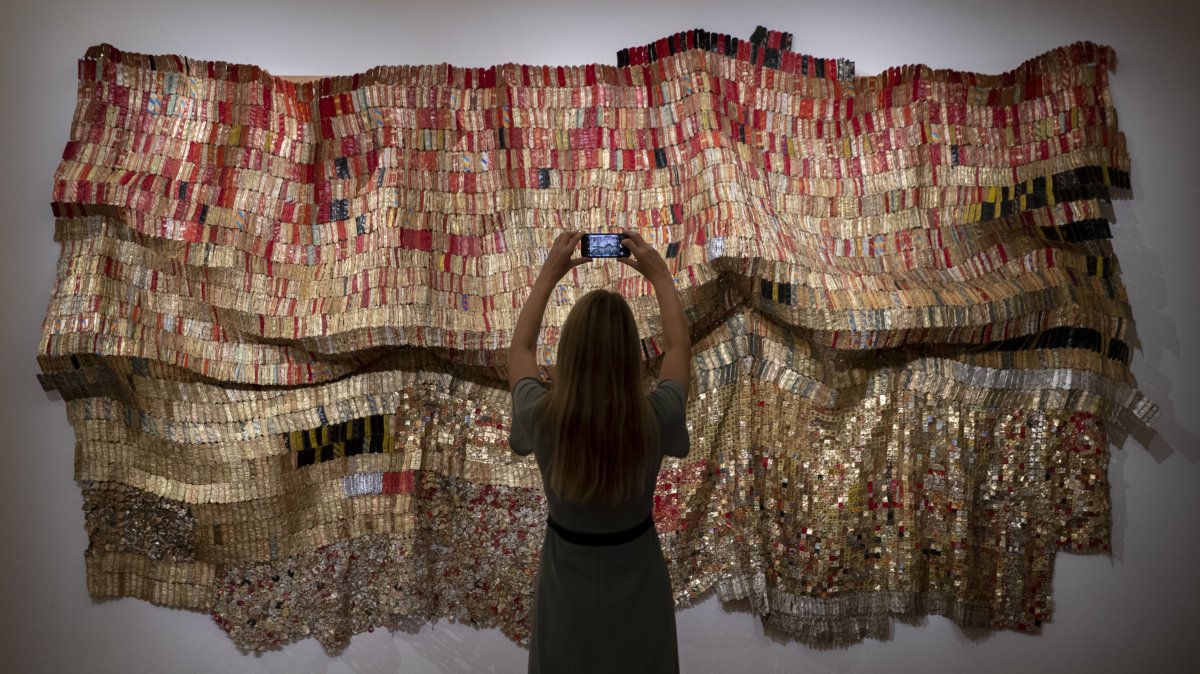
A romantic scene set in an art gallery in "Off Campus" is exactly the kind of news Gen Z wants to read. And perhaps that says more about the state of the art world than yet another debate over whether galleries should expand, downsize, relocate or reinvent their business models.
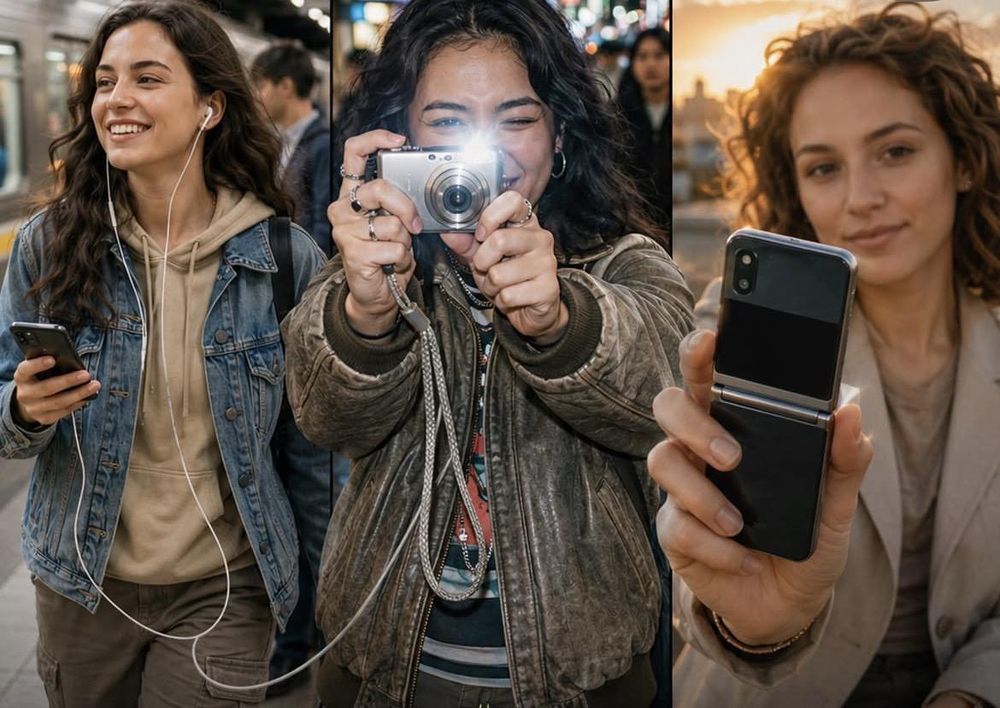
The biggest problem is no longer simply how galleries operate. It is the attention span.
Many gallerists still believe that opening new spaces, closing old ones or reshaping the gallery model with old ways of attention will work. But the audience has changed far more than the model.
Of course, the art market is facing real financial pressures now: Prices have become more selective, speculation has cooled, tariffs and taxes are changing, and collectors are more cautious with their money. Ironically, this also had one benefit for the market: It made people look at quality, provenance and blue-chip safety again. But this does not really solve the bigger problem. It helps the already legitimized part of the market. It does not necessarily create new collectors, new attention or new cultural desire.
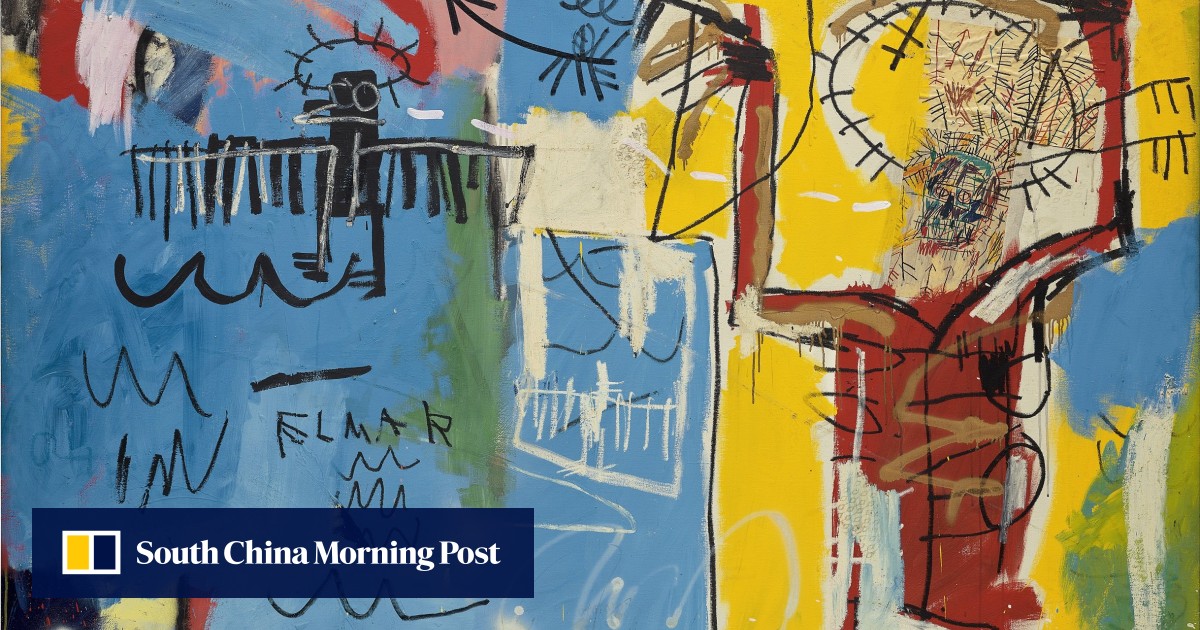
The art market is not collapsing evenly — it is narrowing down around safety, dead artists and proven provenance. Magical blue-chip sales still happen, but they increasingly feel like the monopolization of artists whose legacies have already been secured. The market remains protected by names that no longer need defending.