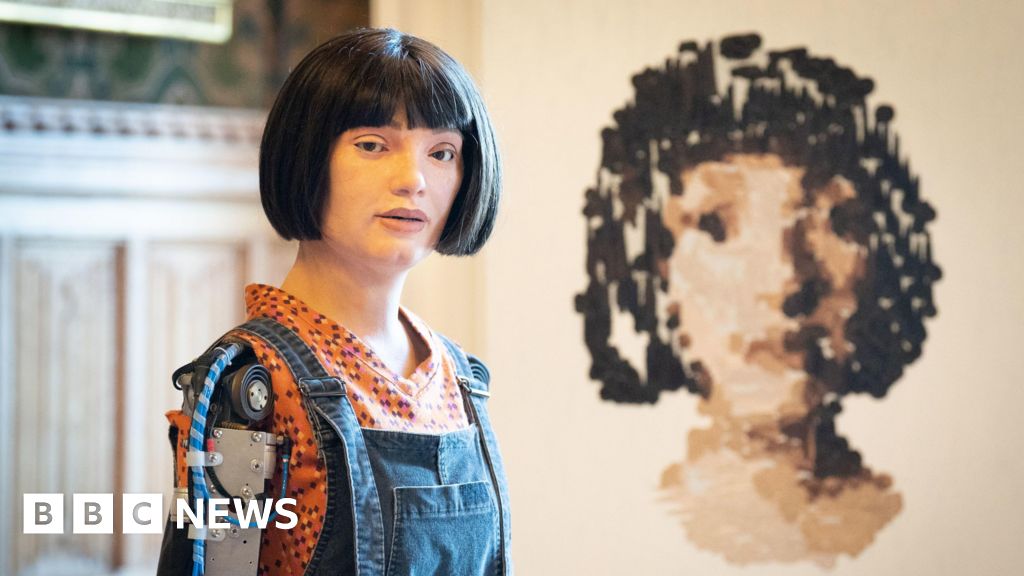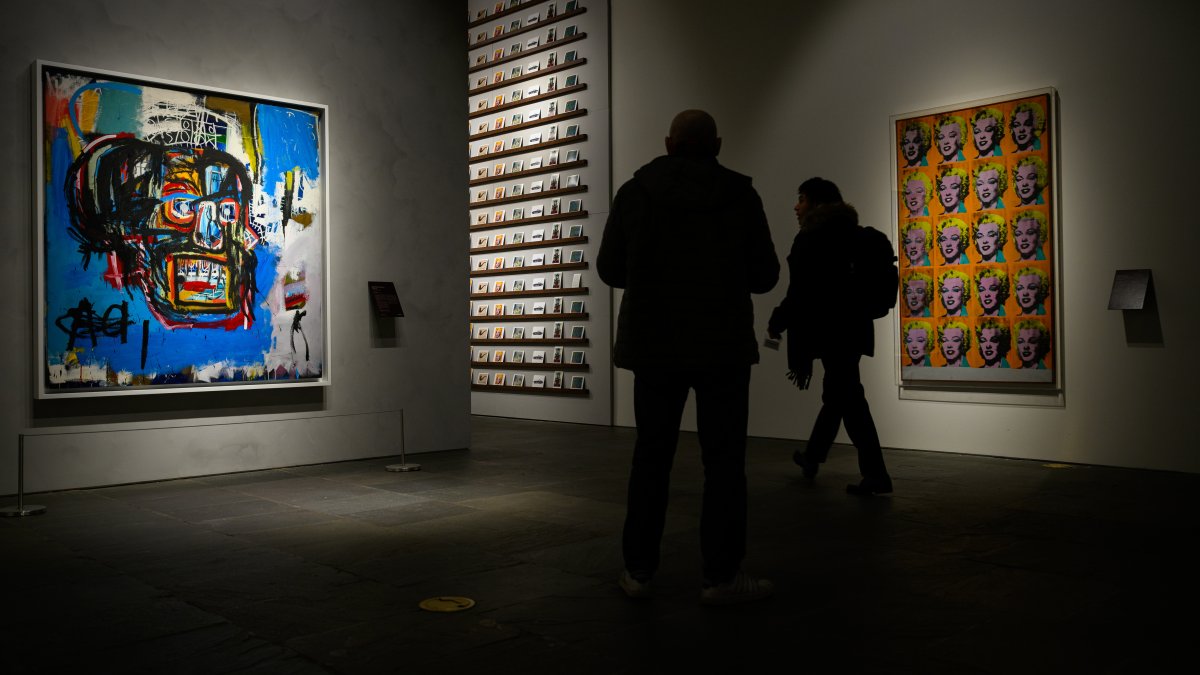
Every generation of artists likes to believe that it stands at the threshold of an undiscovered territory. It is an almost irresistible conviction, one that has accompanied artistic production from the workshops of Renaissance Florence to the algorithmic studios of the 21st century: the belief that somewhere beyond the horizon there still exists an image that has never been painted, a gesture that has never been performed, a concept that has never been imagined and that the responsibility of the contemporary artist is to become the first person courageous or fortunate enough to find it. Yet today, amid an unprecedented abundance of exhibitions, biennials, fairs, digital platforms and artificial intelligence, that confidence appears increasingly difficult to sustain. We produce more images than any civilization before us; we consume visual information at a speed unimaginable even two decades ago, and yet the persistent question remains unsettlingly simple: are we genuinely creating something new, or have we merely become exceptionally sophisticated at rearranging what already exists?
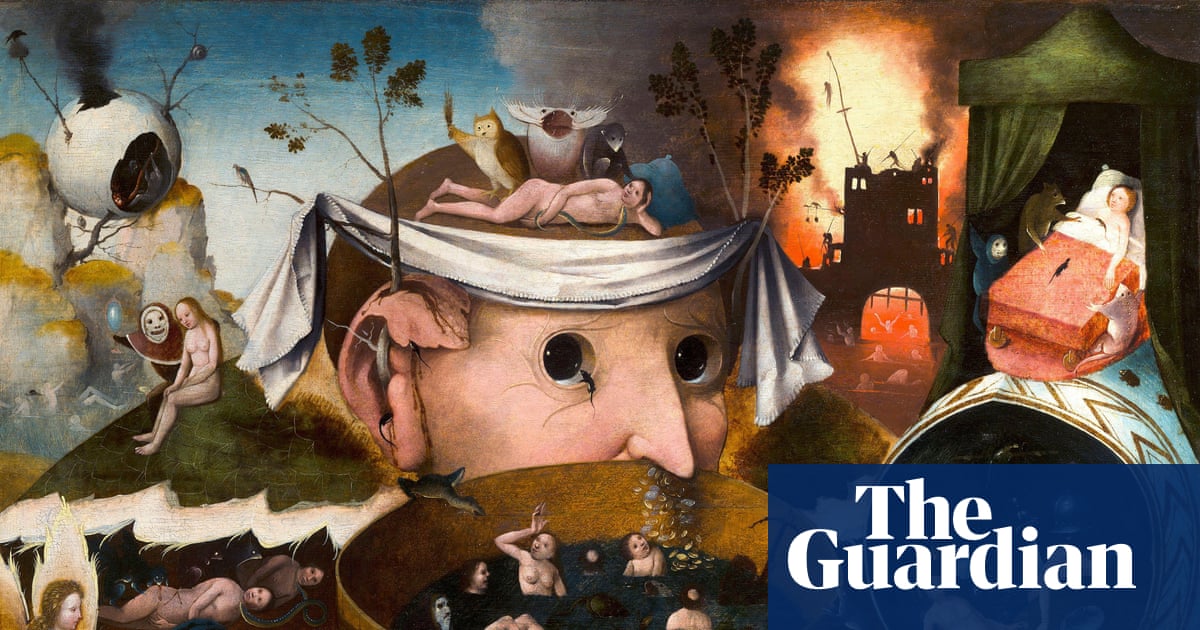
The anxiety surrounding originality is hardly a contemporary invention. In fact, originality itself is a surprisingly recent cultural ideal. For centuries, artists were celebrated not because they broke away from tradition but because they mastered it. Medieval painters rarely signed their works, Renaissance apprentices devoted years to imitating their masters, and even the great innovators of the High Renaissance considered themselves participants in an ongoing visual conversation rather than isolated geniuses inventing entirely new artistic languages. To imitate was not to plagiarize; it was to learn, to honor and ultimately to surpass one’s predecessors through refinement rather than rupture. The romantic image of the artist as a solitary creator producing unprecedented visions almost ex nihilo would emerge much later, becoming one of the defining myths of modernity.