Artificial intelligence is changing creative work at extraordinary speed — but in studios, galleries and writing rooms across the world, artists are deciding what that means for them.
From painters to writers, artists are now weighing the risks, opportunities and pressures that come with machines learning to create alongside them.
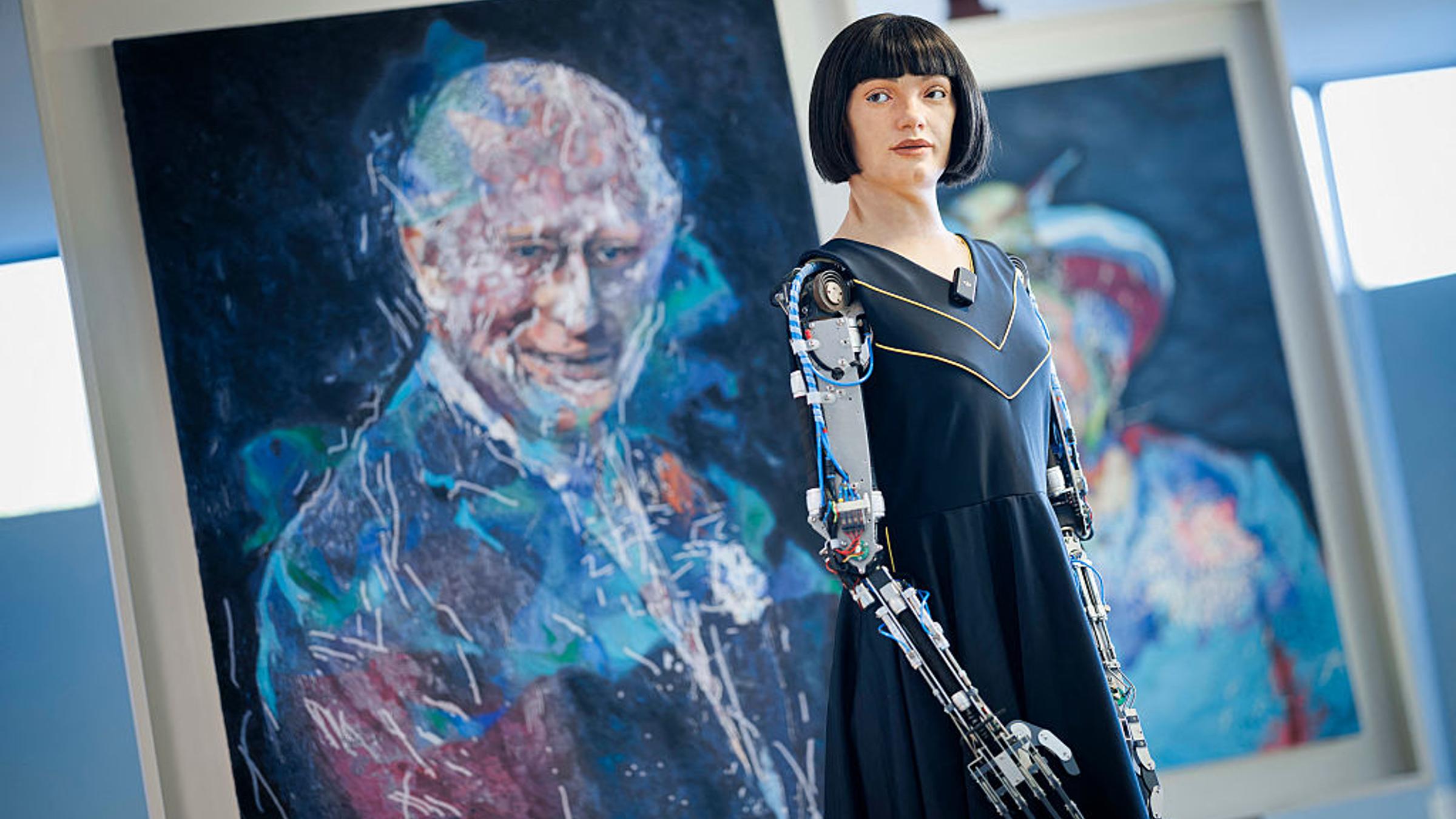
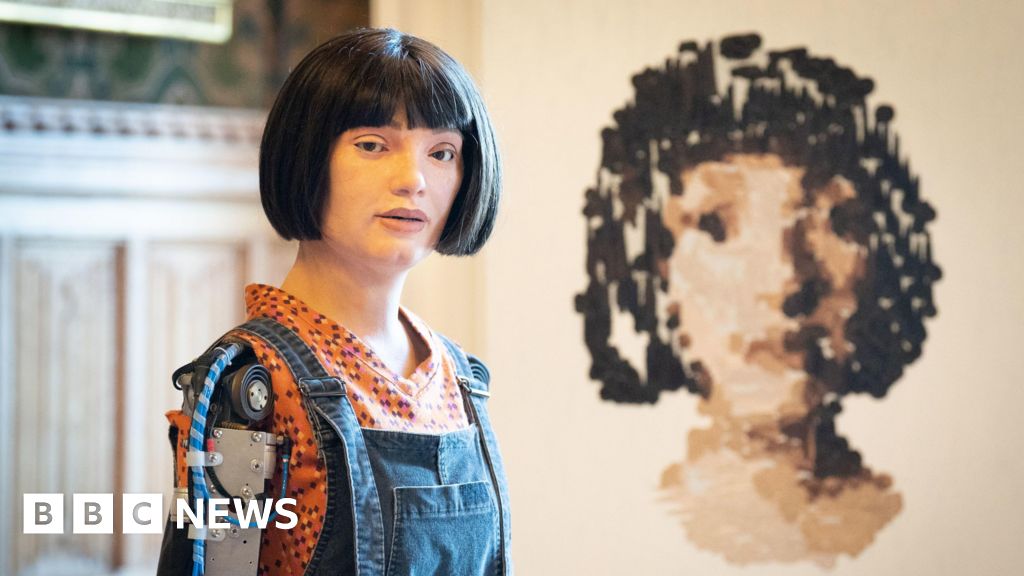
Ai‑Da, described by her creators as the world's first ultra‑realistic robot artist, has already forced the conversation into the mainstream. Her portrait of Alan Turing sold at Sotheby's in 2024 for more than a million dollars (£836,667), a moment that raised fresh questions about what counts as art, and who — or what — gets to make it.
Yet the real debate is happening far from auction houses.
In Hull, curator and artist Lucy Brooke says those concerns began building after a local gallery announced a paid workshop led by an artist from out of town.