Every original creation is an act of generative recombination. Why should the use of AI be held to a different standard?
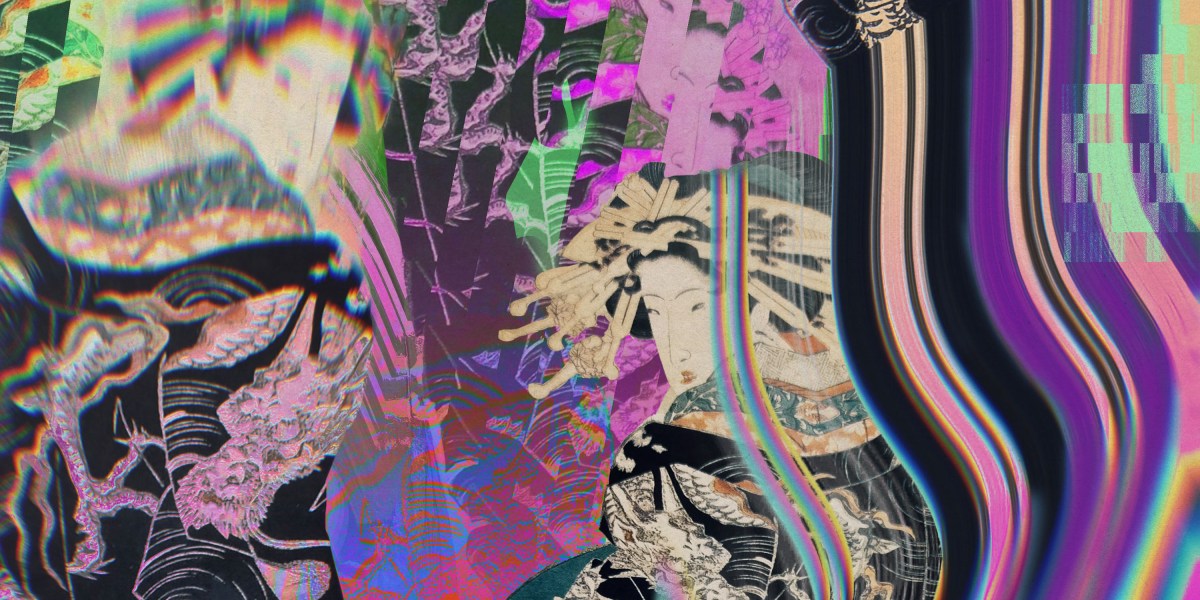
Last fall, while attending a board meeting in Amsterdam, I had a few free hours and made an impromptu visit to the Van Gogh Museum. I often steal time for visits like this—a perk of global business travel for which I am grateful. Wandering the galleries, I found myself before The Courtesan (after Eisen), painted in 1887. Van Gogh had based it on a Japanese woodblock print by Keisai Eisen, which he encountered in the magazine Paris Illustré. He explicitly copied and reinterpreted Eisen’s composition, adding his own vivid border of frogs, cranes, and bamboo.
As I stood there, I imagined the painting as the product of a generative AI model prompted with the query How would van Gogh reinterpret a Japanese woodblock in the style of Keisai Eisen? And I wondered: If van Gogh had used such an AI tool to stimulate his imagination, would Eisen—or his heirs—have had a strong legal claim? If van Gogh were working today, that might be the case. Two years ago, the US Supreme Court found that Andy Warhol had infringed upon the photographer Lynn Goldsmith’s copyright by using her photo of the musician Prince for a series of silkscreens. The court said the works were not sufficiently transformative to constitute fair use—a provision in the law that allows for others to make limited use of copyrighted material.