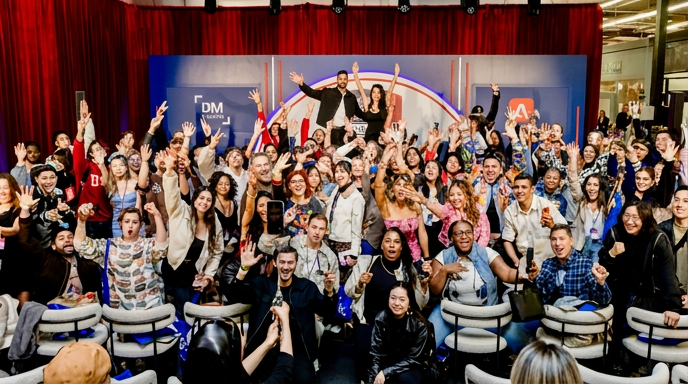
Something has been pulling audiences past the screen. For a century, the best entertainment asked you to lean back and watch, and a great film or show is still one of the most powerful forms of storytelling. But audiences want in — to belong to something, to feel part of a community, and to know the person on the other side of the work. That desire sits at the heart of what’s driving the creator economy, and by every measure, we’re still in its early days.
In many ways, the creator economy is a 40-year trend. The first shift was about creation: desktop publishing and the software that let anyone make professional-grade work. The next was about distribution: social platforms, and the phones and networks that put an eventual studio in every pocket and a global audience within reach.
What’s different now is that both creation and distribution are moving at once. It’s a destabilizing moment, the kind that seems to rhyme with the end of one era and the beginning of another. The open question is what the next one looks like.
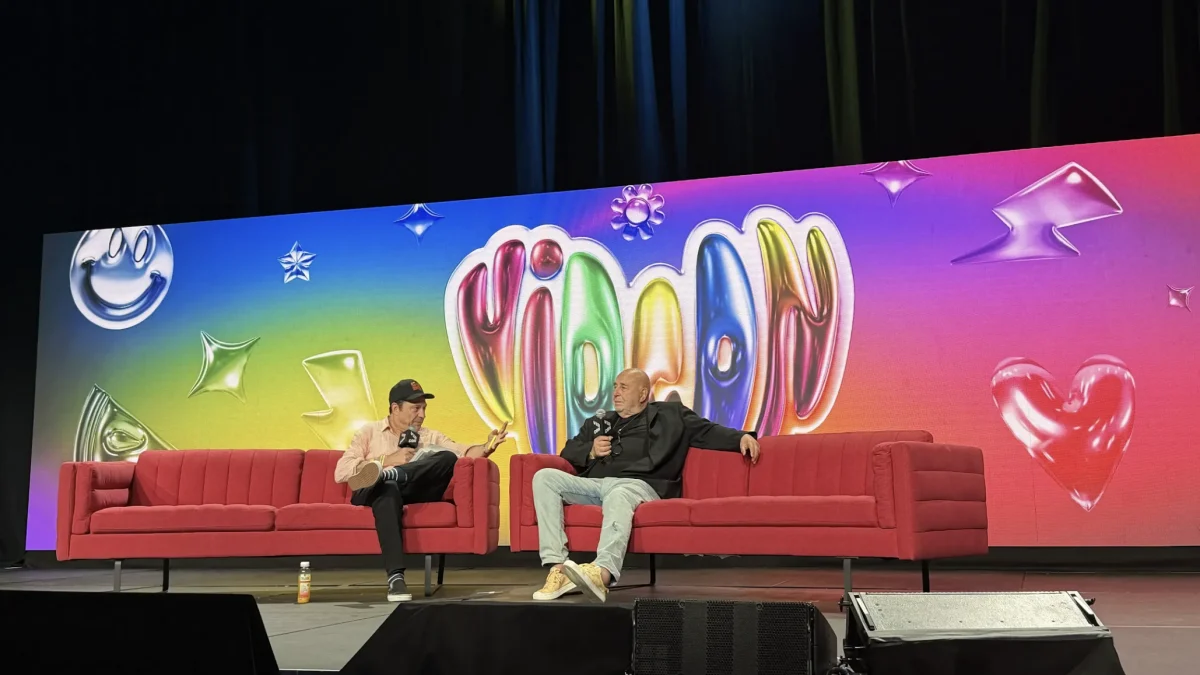
You can already see the answer taking shape in the places the industry gathers. At Cannes Lions, the advertising and creative world’s biggest annual festival, the program built for creators has moved from an isolated rooftop to a marquee footprint on the beach, now in its third year. It’s a small detail with a larger meaning: creators are no longer operating alongside the creative industry. They are increasingly helping define it.