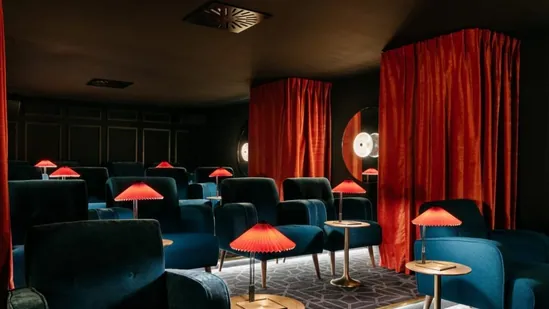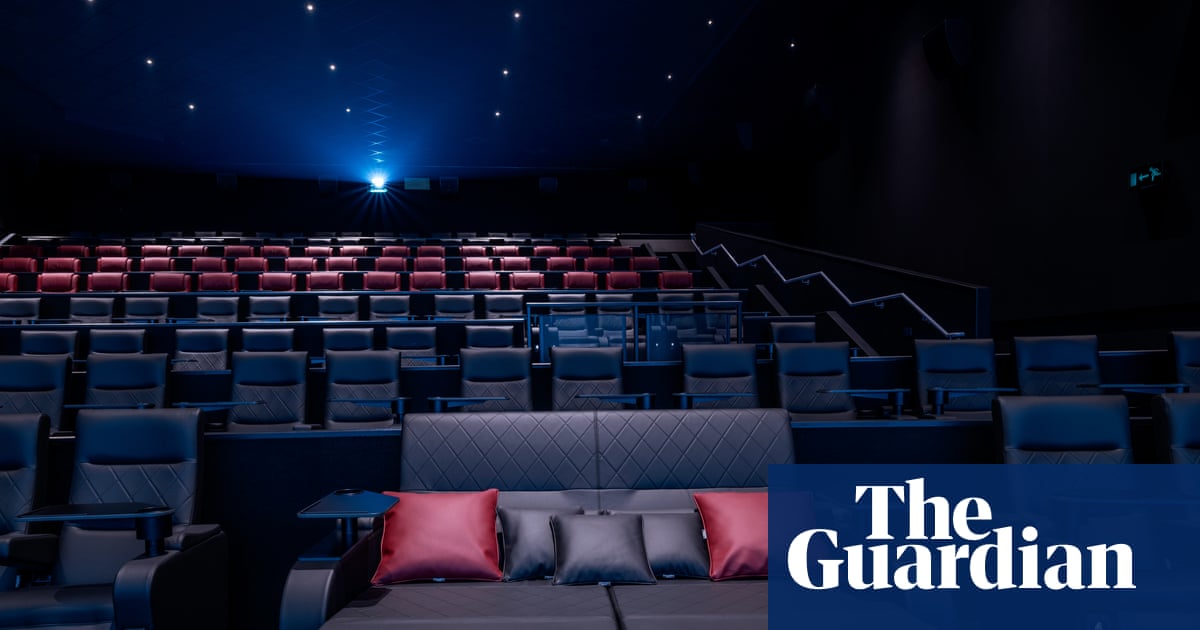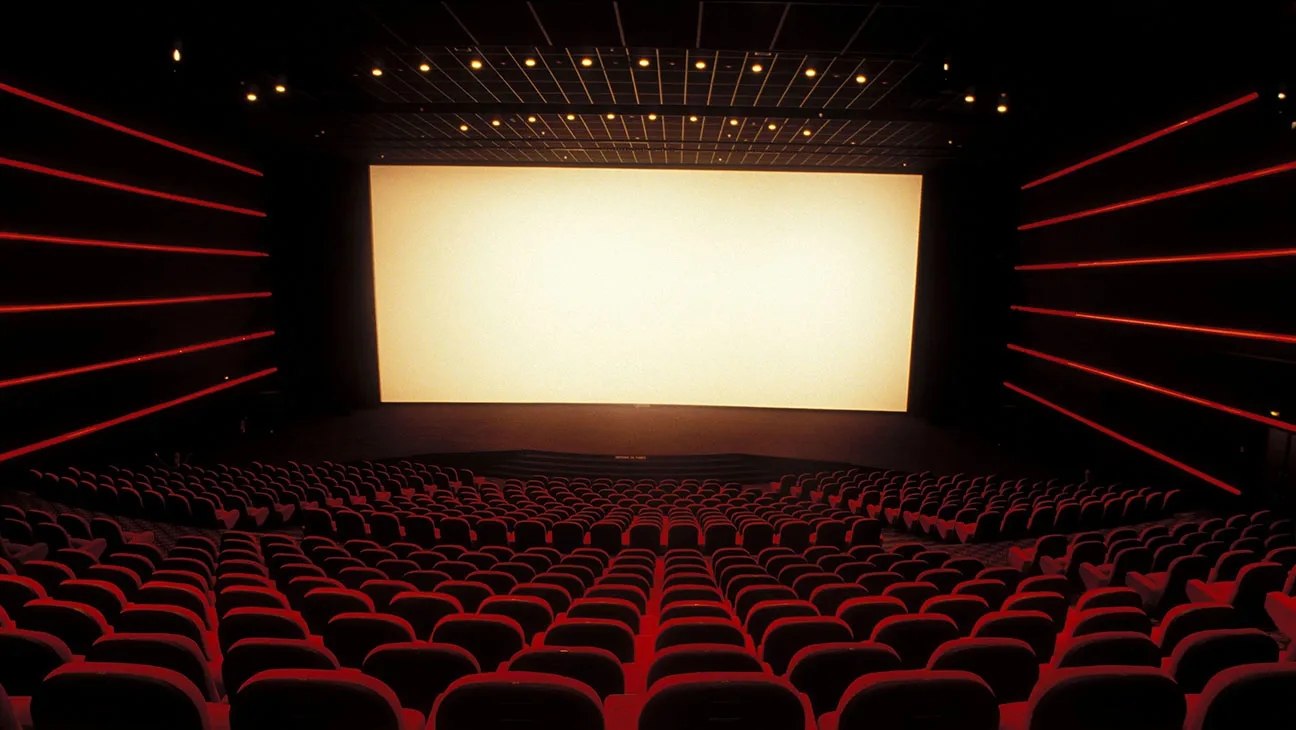
When considering the challenges faced by the movie industry, the emphasis is often on 45-day windows to premium video on-demand or on costs, marketing and debt. What’s rarely in focus are the practical ways to improve the viewing environment: the actual experience of sitting in a theater and the format an exhibitor offers to the moviegoer.
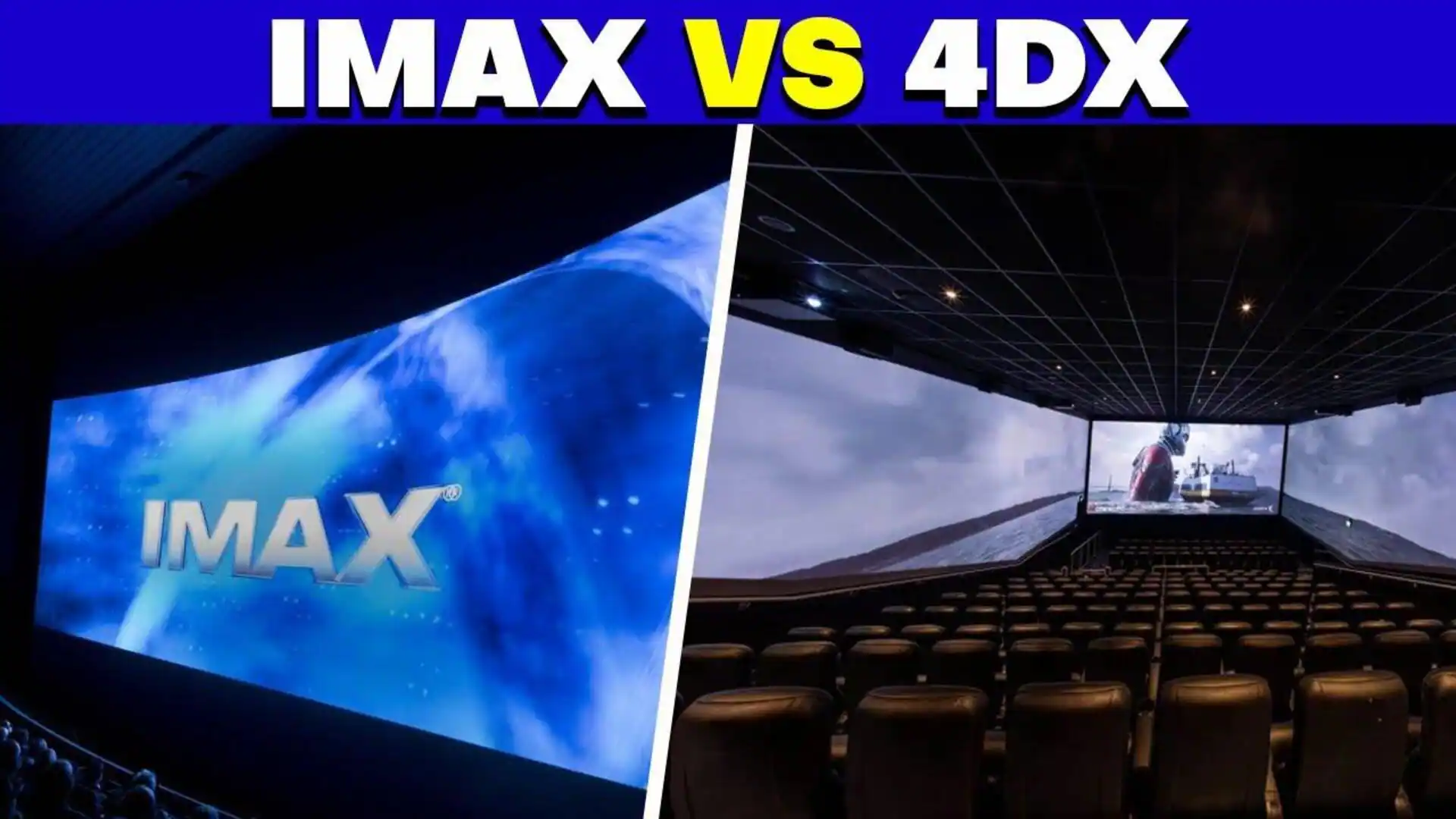
Look at the scramble to get tickets for Christopher Nolan’s epic Imax-filmed feature The Odyssey. Premium large formats (PLF) — think: Imax, Dolby — are the highest-yield seats in the building. They carry the best picture and sound, the highest ticket prices, and the strongest demand on opening. Yet for big studio films, those screens are often available for only two weekends, maybe three. Then the film is pushed out to make room for the next release, regardless of whether demand remains.
That’s money left on the table, and it highlights a broader, recurring challenge. You see this in weeks three and four of a film’s release. The core audience hasn’t fully burned off. Late adopters are just arriving. Word-of-mouth is still strong. However, the premium screens are gone, replaced by a new title that may or may not have the same draw. The original film shifts to standard auditoriums, where profits drop even though customers are still willing to pay for the premium experience.