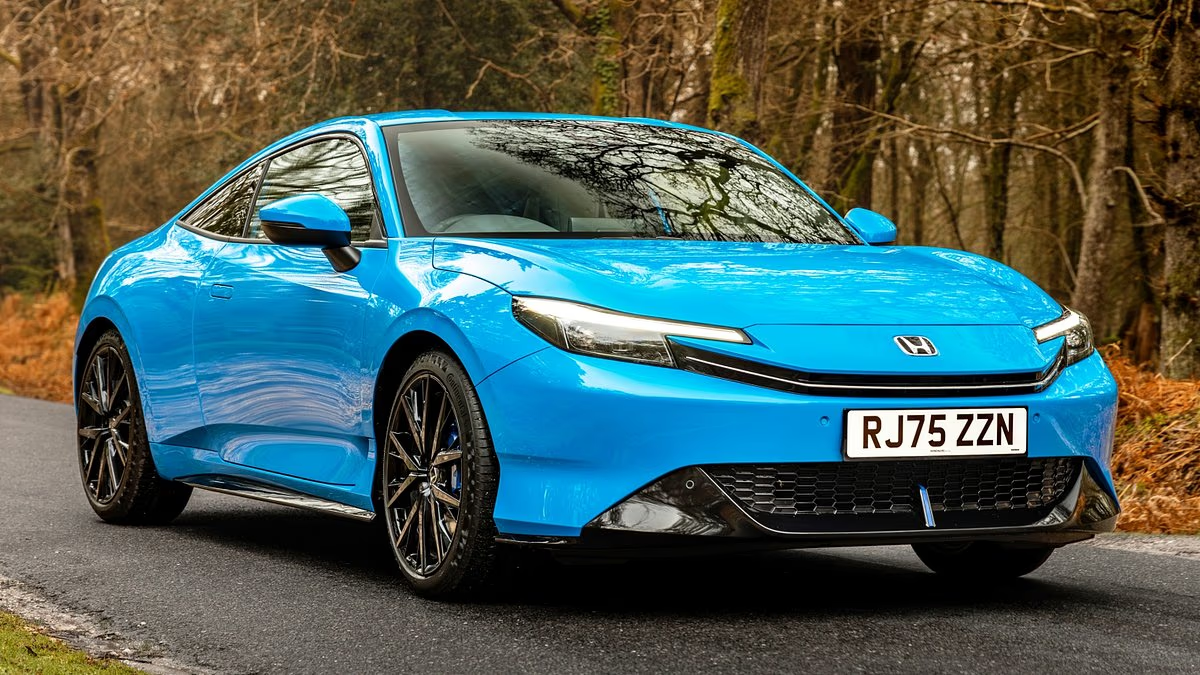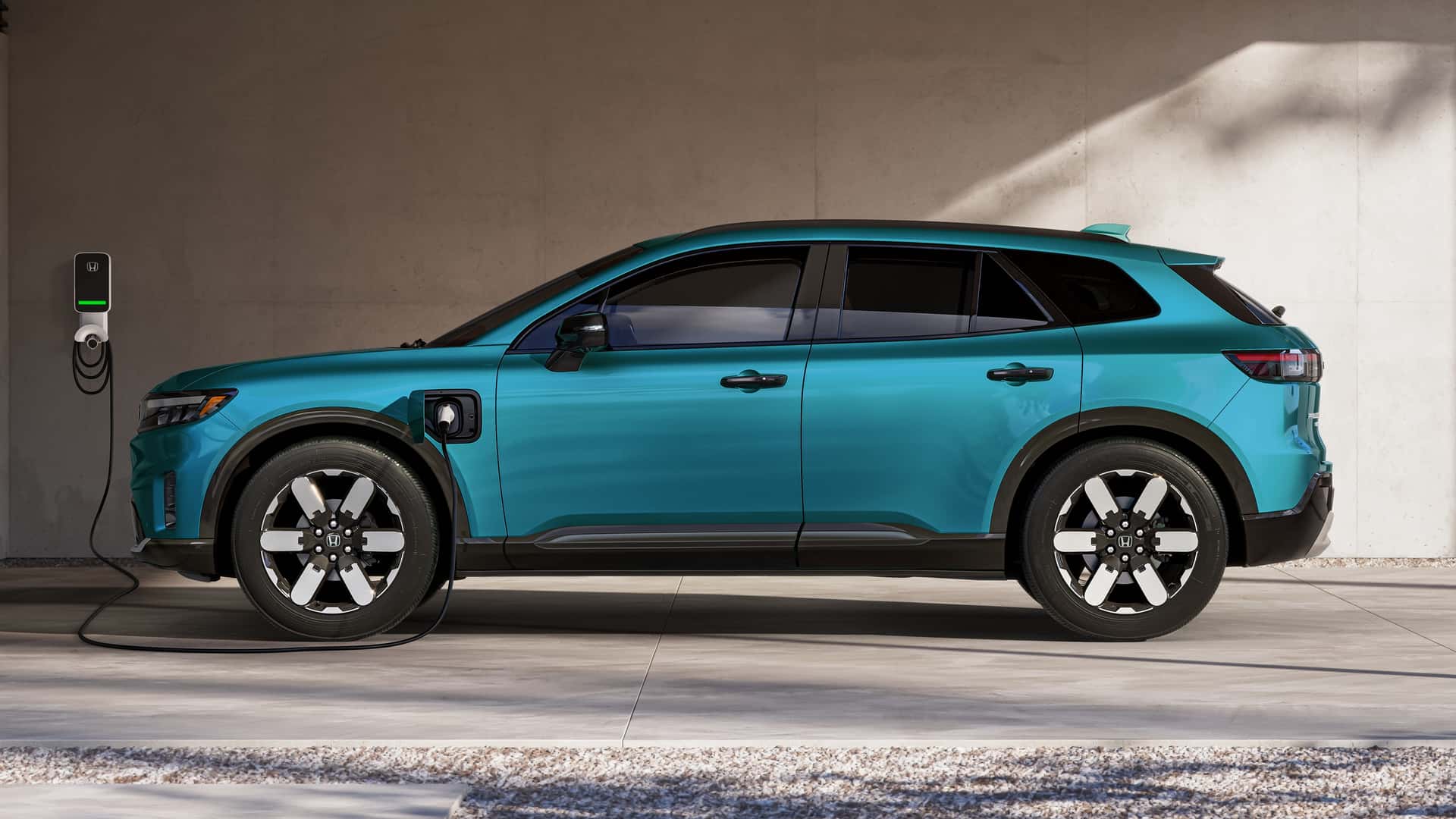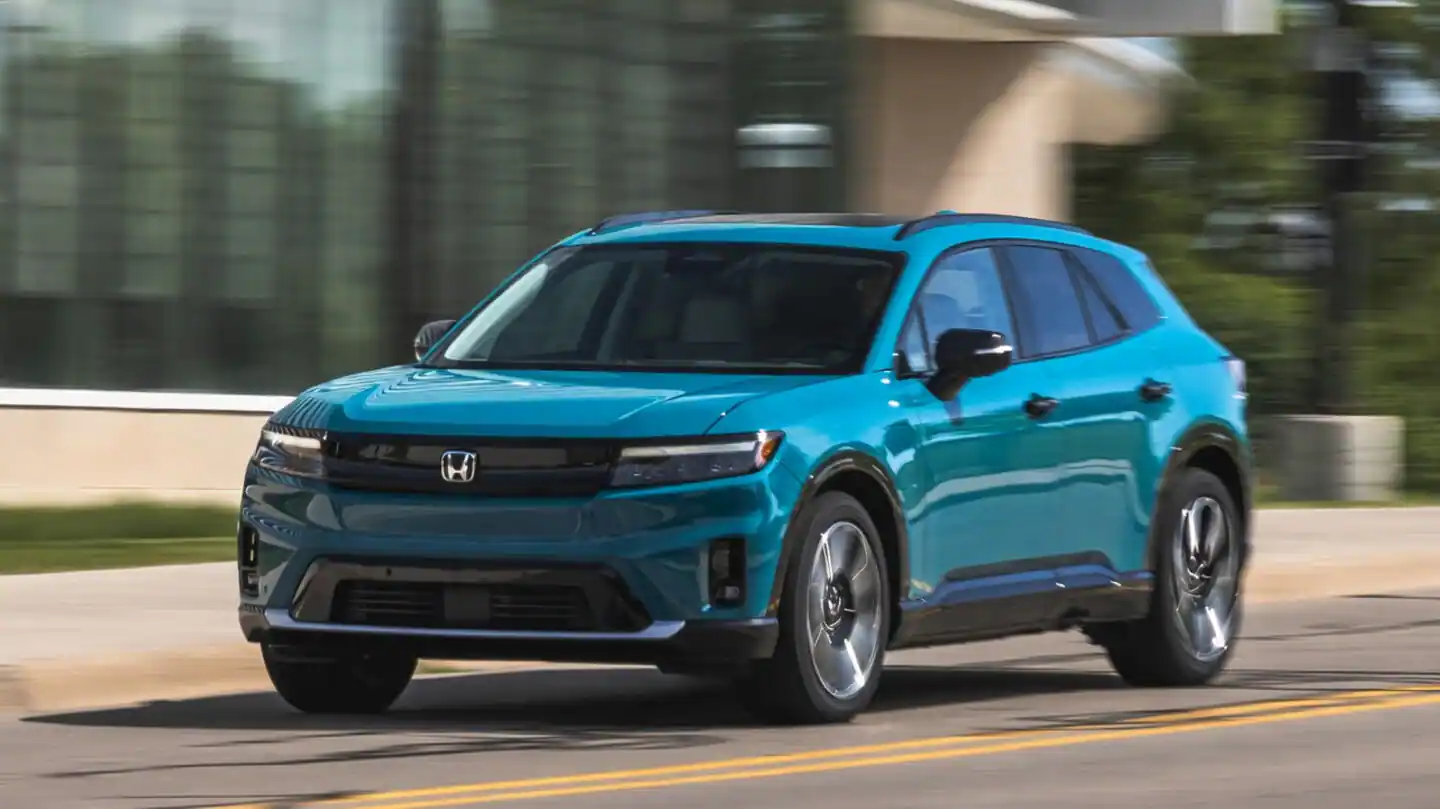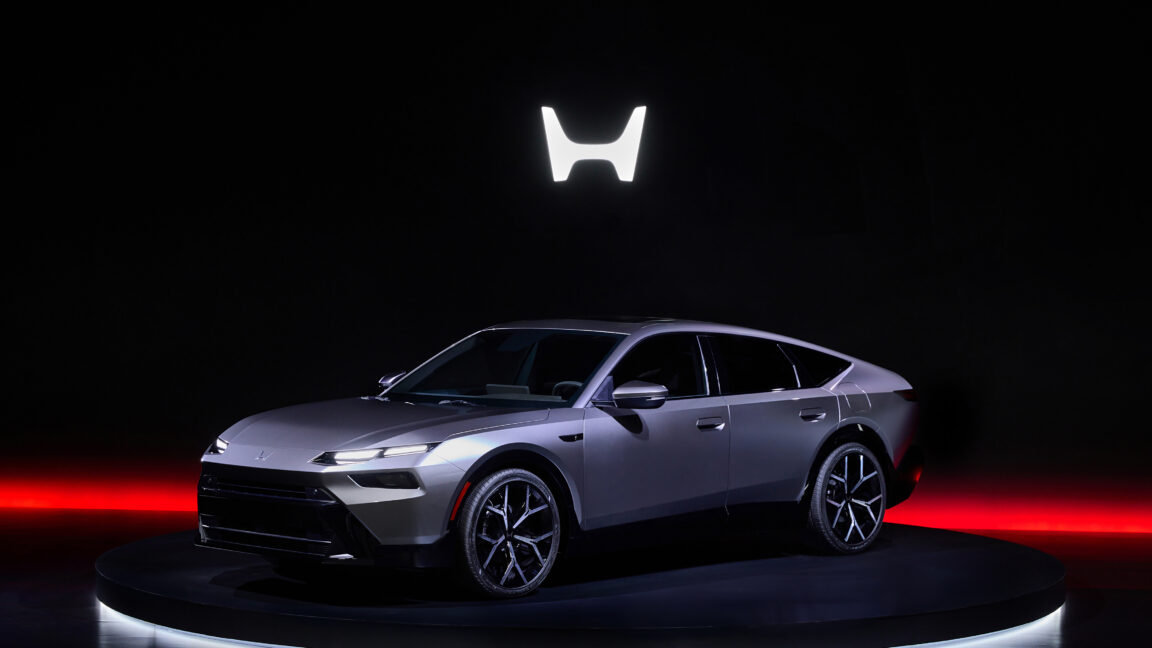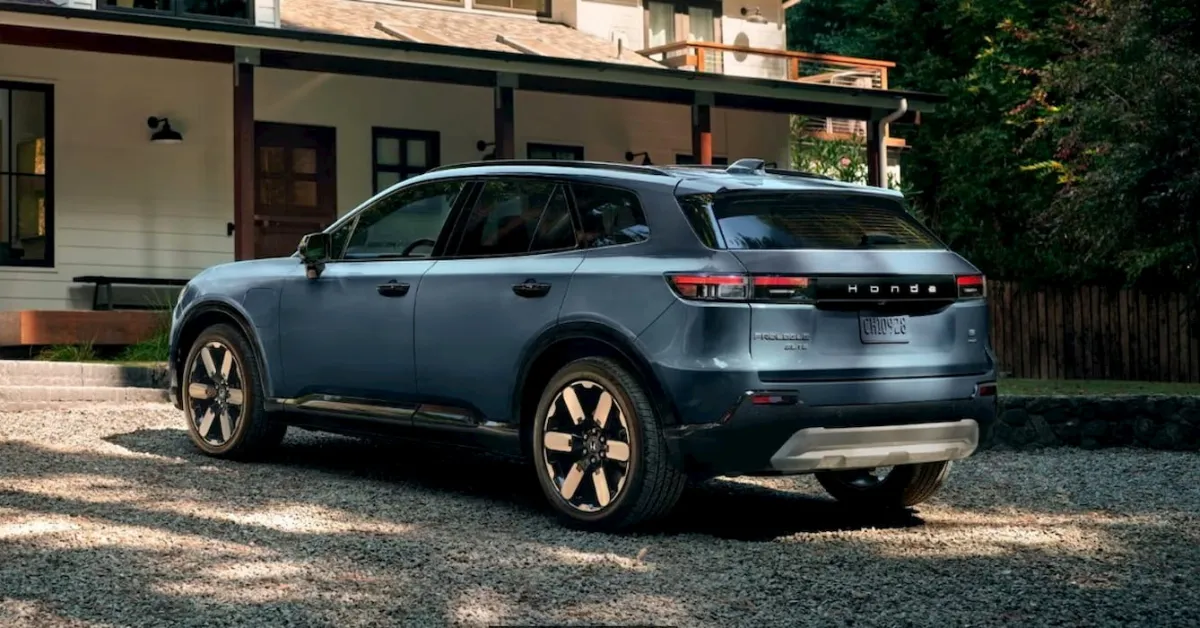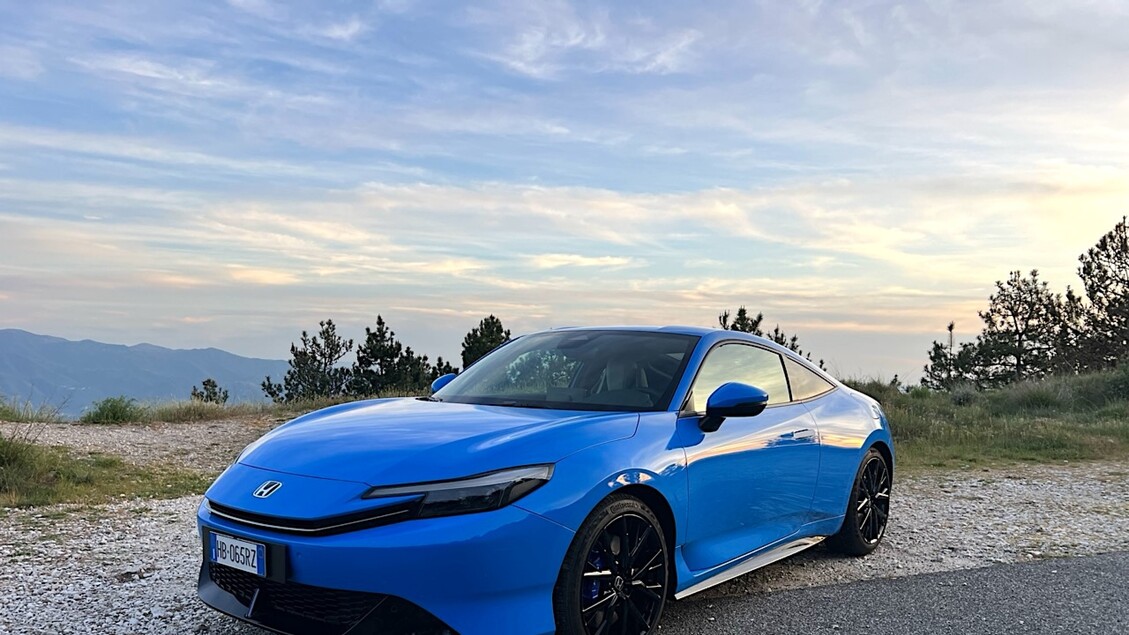
Honda is going through something of a torrid time, in a global sense. While the new Prelude coupe is garnering the Japanese brand much-needed positive press, the company is also facing something of a financial meltdown and has pulled the plug (literally and figuratively) on a new line-up of high-tech all-electric cars. Instead, Honda will soldier on with its current range of hybrids and plug-in hybrids, has ditched the unloved e:Ny1 electric crossover in Europe, and is now desperately trying to work out how to deal with US tariffs and ever-increasing competition from China. The thing is, sometimes the old stuff works better. A bright spot in Honda’s present tumult is a 40 per cent year-on-year sales increase for the old-school Honda Accord saloon in the US market. Now, we’re not talking outright huge numbers here – the Accord was once America’s bestselling car, but its sales have cratered over the past few years so it’s rebuilding from a low base. Nonetheless, a 27 per cent year-on-year increase in sales so far in 2026 is not to be sniffed at; nor is a modest uptick for the Civic hatchback. The lift in Accord sales is mirrored by its great rival, the Toyota Camry (sadly no longer sold in Ireland), which has seen a similar boost in sales, with many industry prognosticators suggesting that the current Prius’ smaller cabin and boot, compared to the older model, is pushing those buyers Camry-ward. It’s not just the Japanese brands, either. Many of the big car brands in the US are now starting to feel a cold wind, or at least a cooler breeze, blowing through SUV sales and are considering a return to a more classical, low-slung four-door. Ford chief executive Jim Farley recently told Automotive News that with the average new car price now above $50,000 (€43,100) and fuel prices spiking, it might be time to get back to cheaper, less consumptive cars. “Never say never,” Farley said. “The sedan market is very vibrant. It’s not that there isn’t a market there. It’s just, we couldn’t find a way to compete and be profitable. Well, we may find a way to do that.”Ford chief executive Jim Farley. Photograph: Bill Pugliano/Getty Images Ford has a ready-made plug-in for four-door sale, with Mondeo (yes, really) and Taurus-badged four-door models now on sale in China. Clearly, manufacturing of those models would have to be brought to US shores to duck tariffs and trade barriers, but that seems like a small obstacle to overcome. [ Will the Chinese brands roll over the big premium players? It could go one of two waysOpens in new window ]Chrysler is reportedly prepping a new, compact four-door priced in the region of $20,000, and has shown a concept of just that to its US dealers who are baying for more affordable products. Hyundai has never stopped selling the popular Elantra saloon in the US. What about Europe, though? And, indeed, Ireland? We once loved our three-box four-doors here, even more so than our UK and Continental neighbours, who generally favoured hatchbacks and estates. Could our love affair with the SUV finally be over?It’s faintly possible. According to the registration figures compiled by the Society of the Irish Motor Industry, sales of large SUVs grew by 25 per cent from 2024 to 2025, while those of medium SUVs grew by 9.5 per cent. However, small SUVs suffered a reverse, dropping by 1.7 per cent. The first pebble in the landslide?Certainly, the legislative environment is becoming ever more anti-SUV, with higher parking charges in Paris, for instance, and the prospect of a weight-based tax in Ireland. We need to turn away from SUVs. Research by environmental think tank Transport & Environments (T&E) has shown the dramatic growth of the last 15 years. Since 2010, the average height of the front of a vehicle on European roads has grown by 6.9 centimetres, and the rate of growth continues, with the average height increasing by 0.5cm per year. It means that the leading edge of the bonnet of an average car is now 83.8cm high, or about the same height as an average preschooler’s head. T&E says its figures show a direct correlation between the height figure and the rise in SUV sales, which went from 12 per cent of the total European car market in 2010 to 56 per cent in 2024. That’s not even taking the environmental impact of taller, bigger cars into account. There is a solution, though. Make saloons great again, sure, but what about MPVs? The Citroën ELO concept (no, it’s nothing to do with Jeff Lynne ...) possibly represents a new melding of the small car and the MPV.‘A house on wheels': The Citroën ELO Concept The Citroën ELO Concept has a central driving position and felxible passenger seating Described by Citroën as ‘a house on wheels’, the ELO is just 4.1 metres long (that’s 100mm longer than a VW Polo, for example), and yet has seats for six people, featuring two sets of three seats with – wait for it – a central driving position in the manner of the original McLaren F1 supercar, or more obscurely, the Matra Bagheera sports car. The layout is hugely flexible. The driver’s central seat gets its own ‘suspension’ in the form of foam blocks inserted into the frame (one wonders if you’ll bounce up and down while driving it, like a lorry driver on an air-suspended seat …), while the outer front seats can be folded away and stashed under the back seats when not needed. The driver also gets a clip-on desk for working while parked, possibly when charging – the ELO is electric, of course. Those rear seats are clever too, and have been designed in collaboration with famous cut-price French camping goods store Decathlon. The seat backs stay in the car, but the bases can pop out and have their own little fold-out legs so they can be used as camping stools. It’s something of a nod to the original Citroën 2CV, whose hammock-style seats could be removed for picnics and the like. Will Citroën actually make one you can buy? That’s less certain, but Renault is definitely now marching on a path towards cars that are less tall. Its big new concept car is also very much not an SUV.Renault concept car R-Space: will it eventually become an Espace? Photograph: Thorsten Wagner/Getty Images The R-Space Lab concept might have a silly name, but while Renault isn’t officially saying it yet, it seems very much as if the R-Space is designed to be a preview of a next-generation Renault Espace, which will likely come with a choice of fully electric, hybrid and range-extender power when it launches in the next few years. The current Espace is a large SUV, and isn’t sold in right-hand drive markets, but if a new one draws heavily on this R-Space concept it would be a return to the classic one-box MPV shape in effect created by the original Espace in 1984 (notwithstanding the US contribution of the original Dodge Caravan, two years previously). Renault has hinted that the R-Space’s interior is rather more futuristic, and less production-ready, than its interior, which features a wraparound instrument and infotainment screen set-up, a yoke-style steering wheel, and a rear layout with three individual back seats, each of which reclines, and which also have Honda-style flip-up seat cushions for maximum utility. Whether or not the R-Space eventually becomes an Espace, it’s definitely a portent of Renault’s plan to aim at bigger-car segments.
Are we witnessing the beginning of the end for SUVs?
Four-door saloons are making a comeback in the US, while European brands are pondering a return to MPVs
1,257 words~6 min read