May 25th, 2026
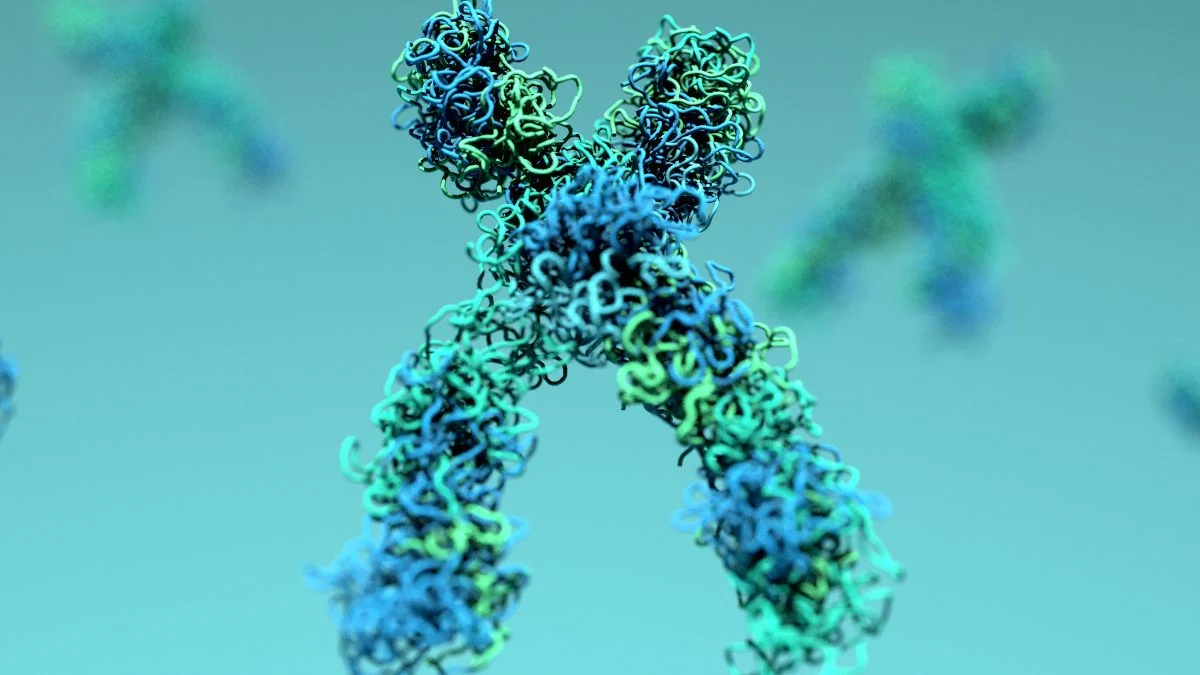
The expression of genes from nuclear DNA is determined by the structure of nuclear DNA, meaning which regions are spooled and inaccessible versus which regions are unspooled and accessible to transcription machinery. This is visible as the structure of chromatin in the cell nucleus, where chromatin is the name given to the complex structures formed by nuclear DNA and its supporting molecules such as histones. Epigenetic mechanisms control DNA structure by adding and removing decorations to DNA and histones, and this control changes with age in ways that are ultimately detrimental. A range of potential approaches to treatments for aging revolve around the question of whether there are safe enough, effective enough ways to change this epigenetic landscape to make the structure of DNA more youthful in nature, and thus gene expression and cell behavior also more youthful in nature. The most well developed example is partial reprogramming, but it is not the only one.
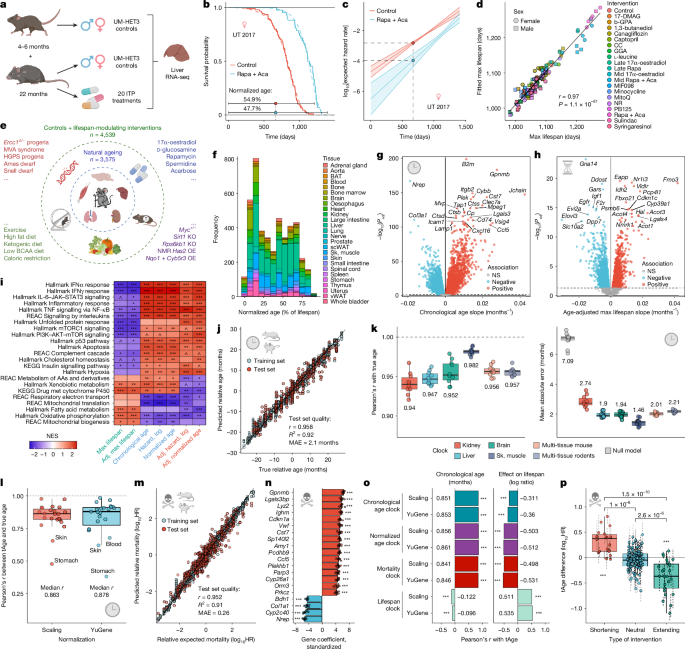
Aging is associated with detrimental changes in chromatin structure and gene expression, contributing to inflammation, metabolic decline, and tissue dysfunction. SIRT6, a histone deacetylase, plays a key role in maintaining chromatin integrity and promoting longevity. Our multi-omics approach, combining ATAC-seq, methylome, and RNA-seq shows that aging leads to increased chromatin accessibility in the male murine liver, accompanied by upregulation of inflammation and downregulation of metabolic pathways.