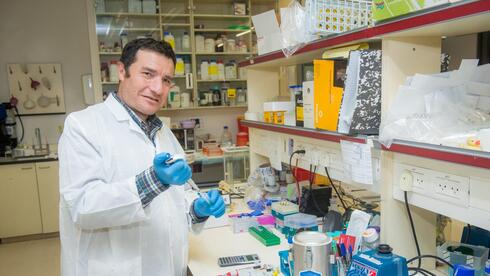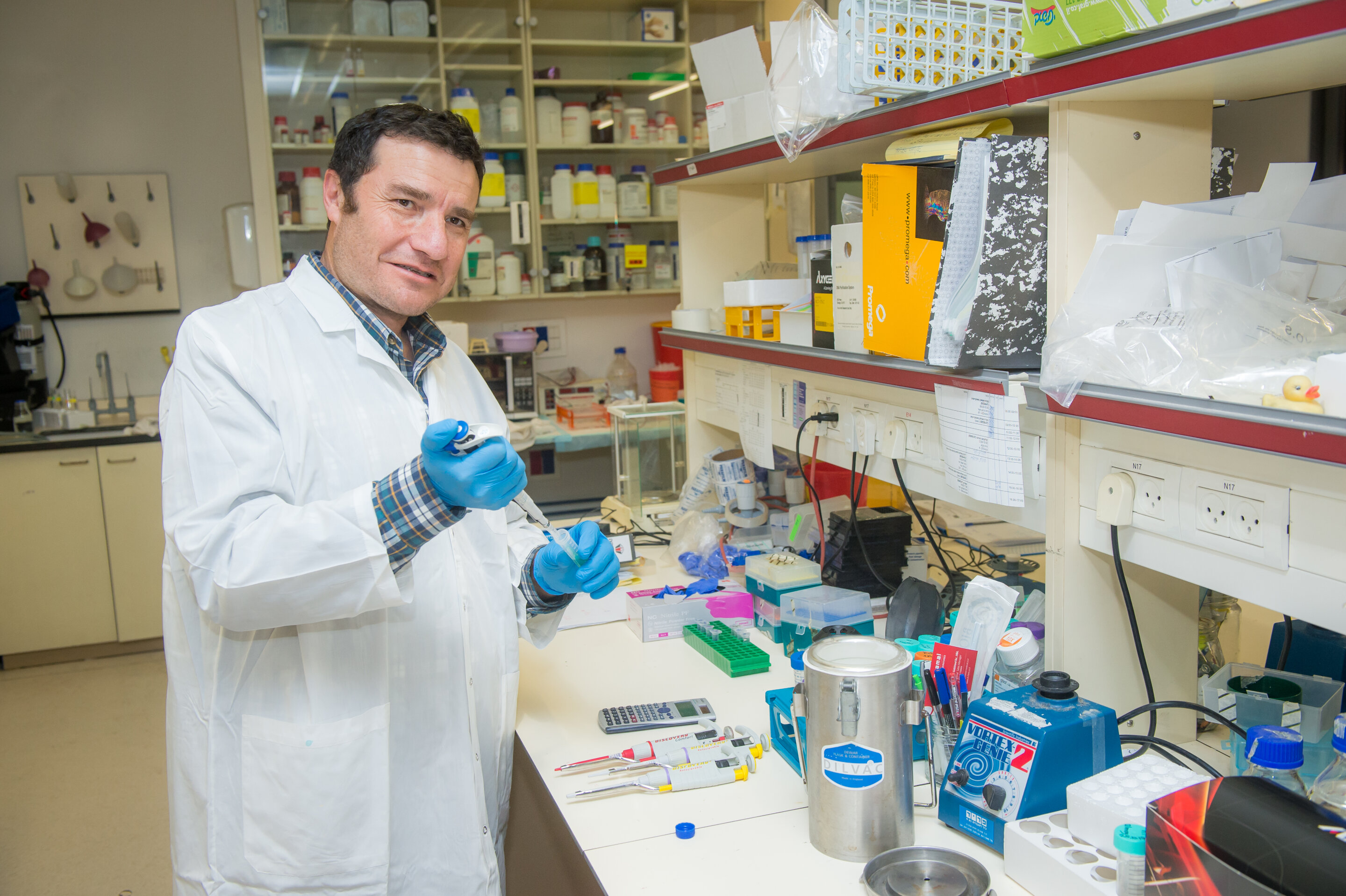
Prof. Haim Cohen, Director of the Sagol Healthy Human Longevity Center at Bar-Ilan University's Goodman Faculty of Life Sciences. Credit: Bar-Ilan University
Researchers at Bar-Ilan University have successfully restored youthful patterns of DNA organization in the livers of old mice, reversing key molecular features associated with aging. The study, published in Nature Communications, identifies the protein SIRT6 as a powerful protector against age-related breakdown in chromatin, the complex system that packages DNA and controls how genes are switched on and off.
The findings suggest that aging is not simply a passive process of wear and tear, but may be driven in part by reversible changes in the way DNA is organized inside cells.
DNA inside cells is tightly folded and packaged into chromatin, a structure that acts like a biological control system for gene activity. Using advanced tools to study DNA organization and gene activity, the researchers examined multiple molecular changes in the livers of young and old mice. What they discovered was dramatic: aging disrupts chromatin architecture in the liver, causing inflammatory pathways to become overactive while weakening the metabolic programs that define healthy liver tissue.