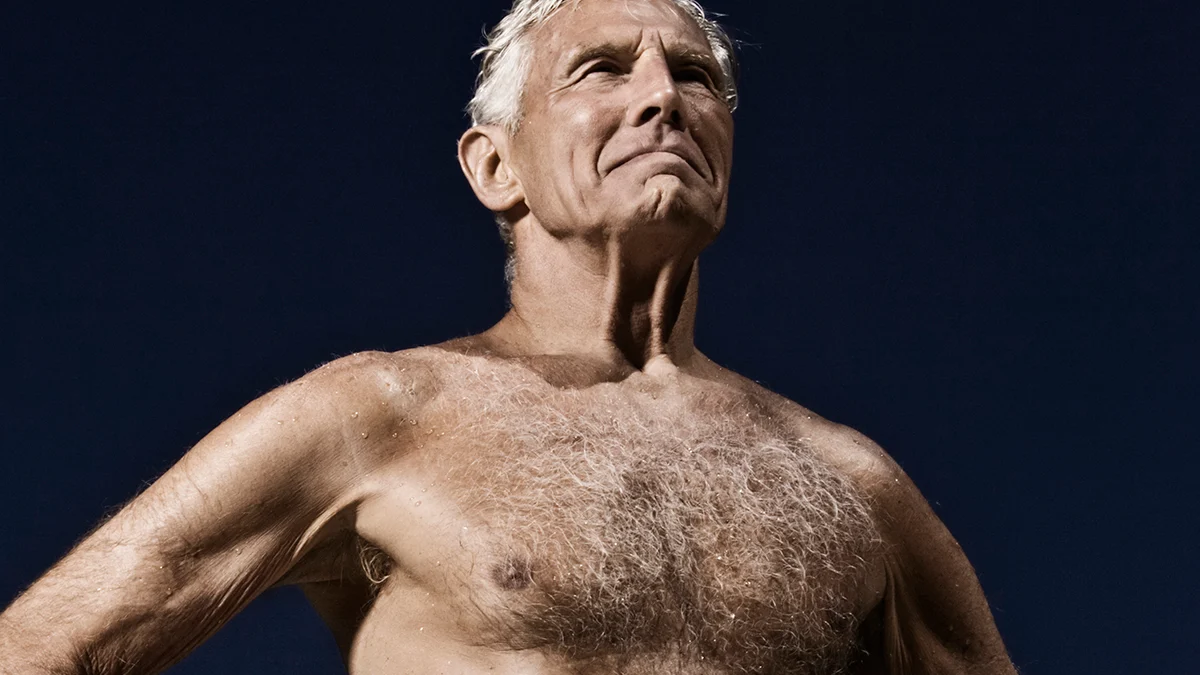
As the U.S. population continues to age, scientists are searching for ways to help people stay healthier later in life. By 2050, nearly one in four Americans will be age 65 or older, and many are expected to live well into their 90s. While modern medicine has dramatically extended lifespan, aging still brings serious physical challenges, including weaker immunity, chronic inflammation, bone loss, fatigue, and declining strength.
Researchers at the University at Buffalo believe they may have found an important clue for slowing some of those age related changes.
Scientists Target "Inflammaging"
Aging is often accompanied by a constant, low level state of inflammation that gradually damages tissues and weakens the body. Scientists refer to this process as "inflammaging," according to Keith Kirkwood, DDS, PhD, senior associate dean for research and Centennial Endowed Chair in the Department of Oral Biology at the University at Buffalo School of Dental Medicine.
"These age-related changes, known as immunosenescence, lead to a decline in immune resilience and an increased susceptibility to age-related chronic inflammatory diseases," Kirkwood explains.