Scientists may have discovered a powerful new link between the gut microbiome, aging, and liver cancer. New research presented at Digestive Disease Week® (DDW) 2026 suggests that restoring gut bacteria to a more youthful state could help protect the liver, reduce age related damage, and potentially lower cancer risk.
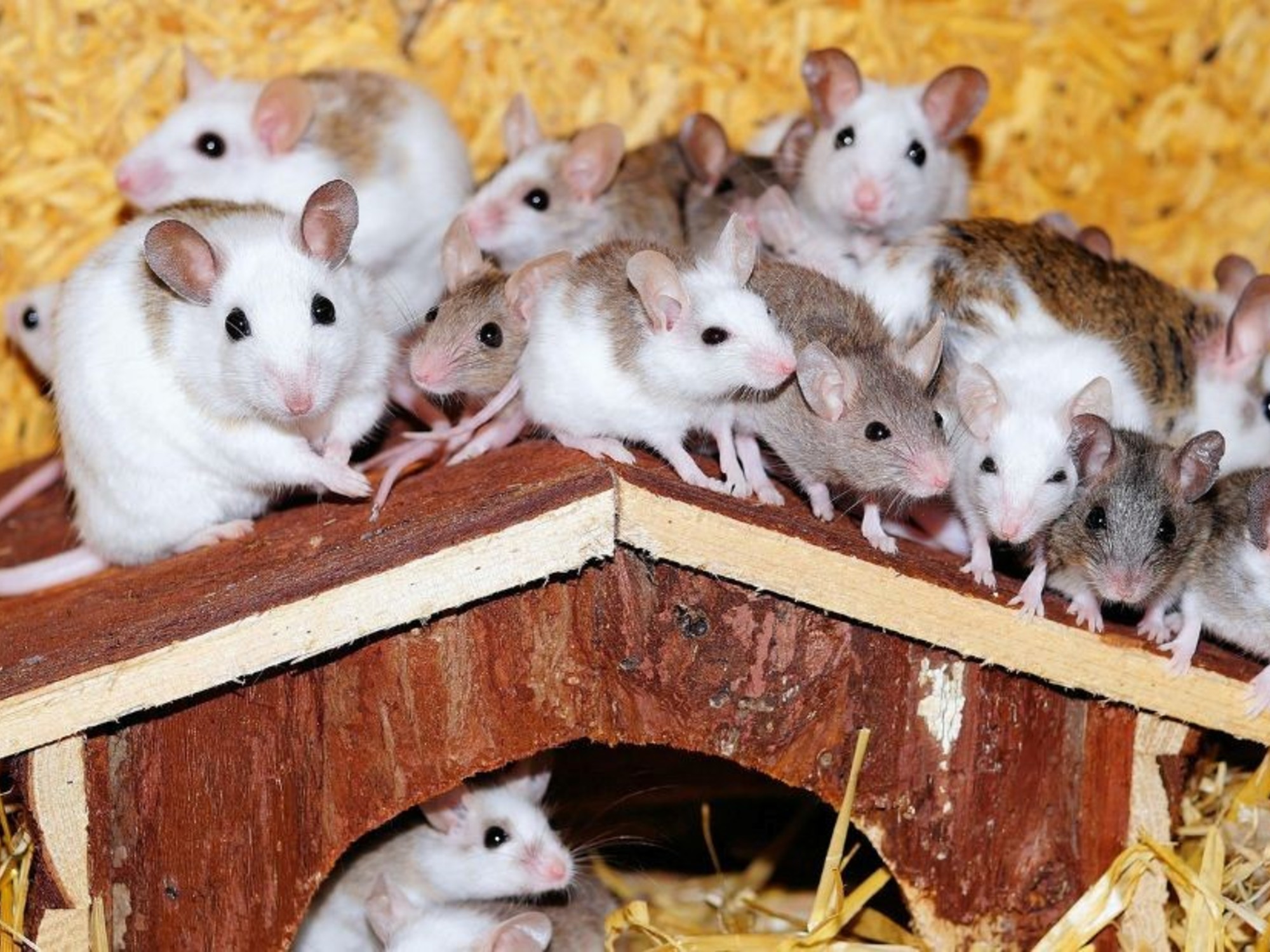
The findings come from a mouse study focused on the microbiome, the vast community of bacteria and other microbes living in the digestive system. Researchers found that giving older mice back their own younger gut microbes produced striking effects throughout the body, especially in the liver.
Young Gut Microbiome Protected Aging Mice
To test the idea, scientists collected fecal samples from eight young mice and preserved them for later use. As the mice aged, the researchers transplanted the stored samples back into the same animals through a process known as fecal microbiota transplantation, or FMT.
Another group of eight aging mice served as controls and received sterilized fecal material instead. Researchers also included a small group of young mice to provide baseline comparisons.