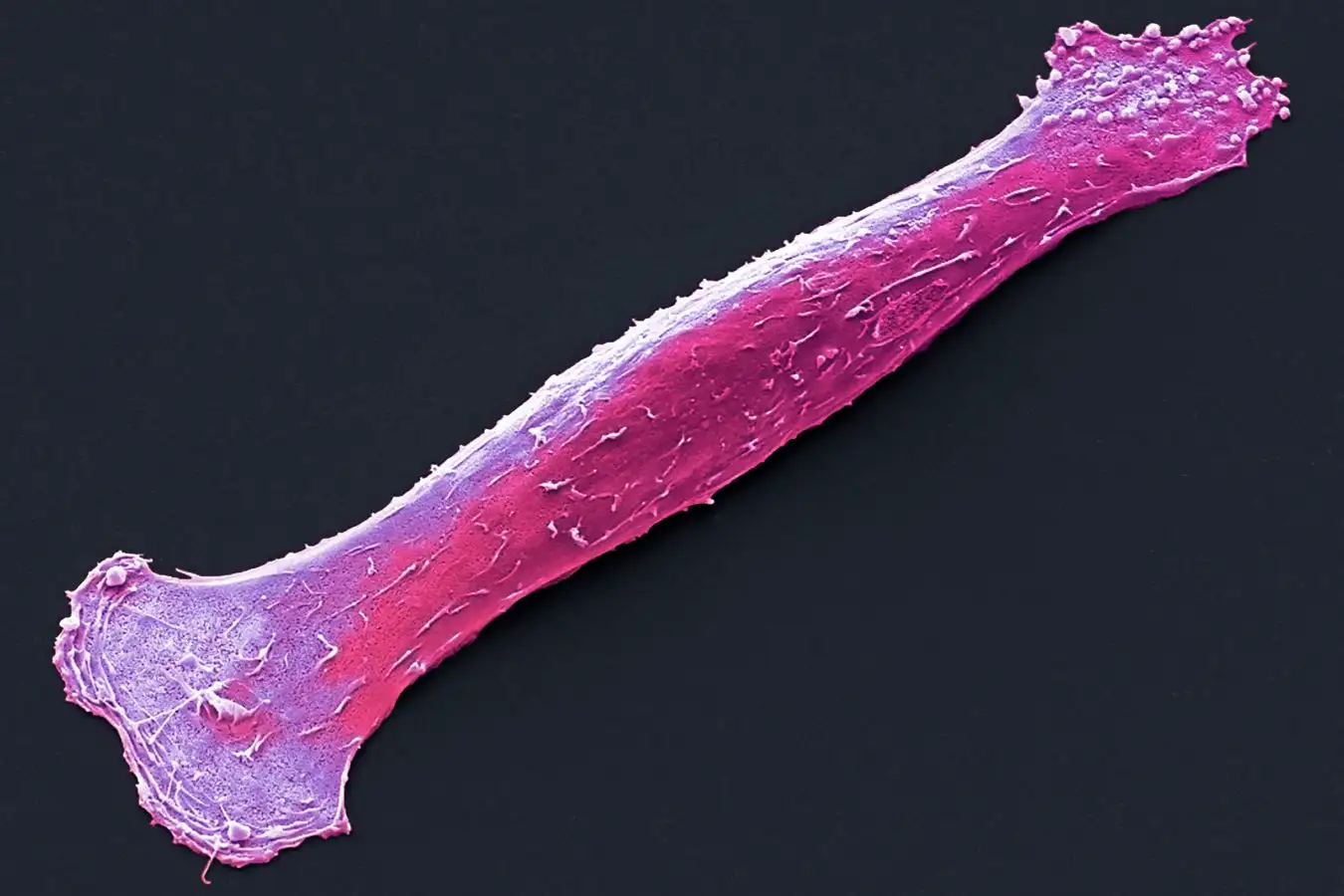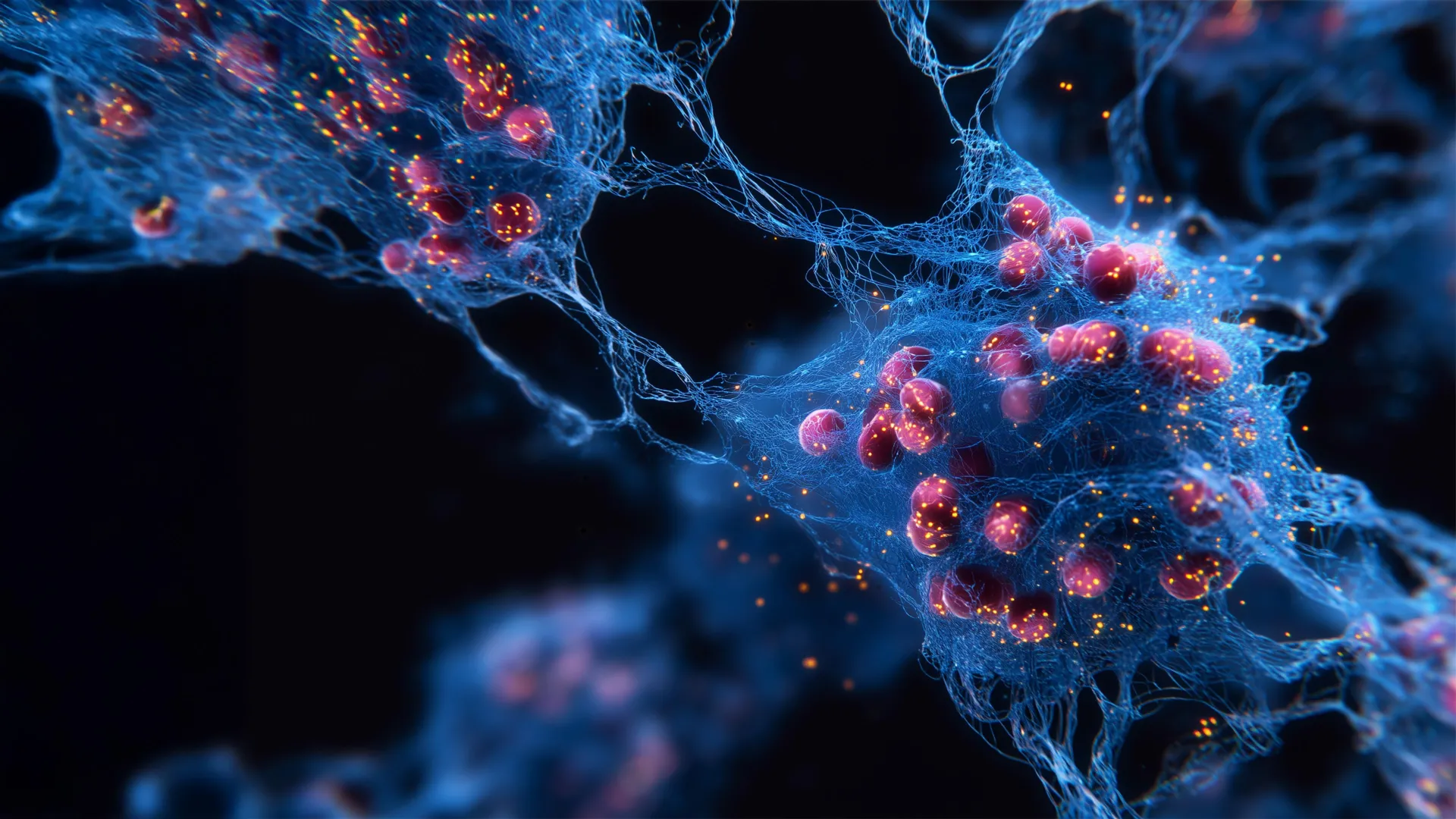
Scientists at the Icahn School of Medicine at Mount Sinai have successfully reversed aging in blood-forming stem cells in mice by repairing defects in structures known as lysosomes. The findings, published in Cell Stem Cell, point to lysosomal dysfunction and overactivity as major causes of stem cell aging and show that restoring proper lysosomal activity can rejuvenate old stem cells and improve their ability to regenerate blood and immune cells.
Lysosomes function as the cell's internal recycling centers. They break down proteins, nucleic acids, carbohydrates, and lipids, helping cells dispose of waste and reuse materials for essential biological processes. They also store nutrients that can be released when needed. Because of these roles, lysosomes are critical for maintaining cellular metabolism, including both catabolism (breaking down complex molecules to simple ones) and anabolism (building complex molecules from simpler ones).
The research team focused on hematopoietic stem cells (HSCs), which are rare, long-lasting stem cells found in the bone marrow that generate all blood and immune cells in the body. The study was led by Saghi Ghaffari, MD, PhD, Professor of Cell, Developmental, and Regenerative Biology at the Icahn School of Medicine and a member of the Black Family Stem Cell Institute.