April 14th, 2026
Control over the structure of nuclear DNA is critical to both gene expression and interactions between DNA damage and DNA repair systems. Most of us are by now at least passingly familiar with the concept of the chromosomes of nuclear DNA existing as a mix of (a) spooled and tightly packaged regions known as heterochromatin, where gene sequences are hidden from transcriptional machinery and genes are thus not expressed, versus (b) unspooled regions where transcription can take place, the gene sequences read to allow assembly of corresponding RNA molecules. Epigenetic decorations to DNA and supporting molecules drive a constant shift between spooled and unspooled structures. This necessary regulation of structure and function all changes for the worse with advancing age for reasons that are incompletely understood.
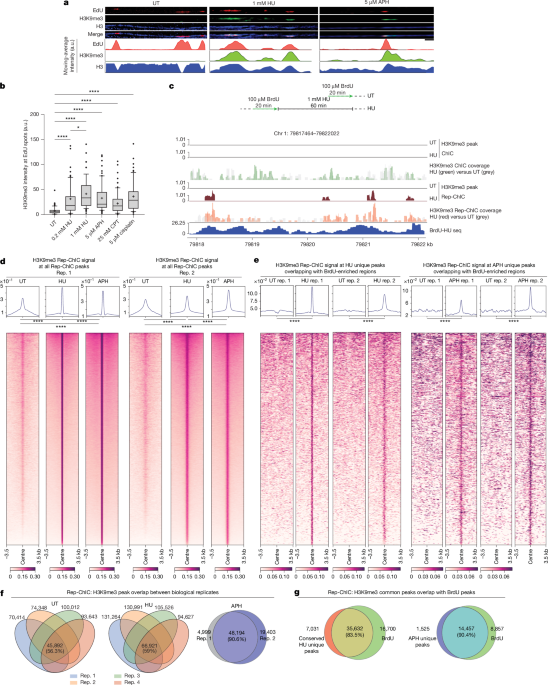
There is a lot more to DNA structure than just this, however. For example, the intricate regulation of nuclear DNA structure incorporates the presence of double-strand breaks known as DNA gaps, distinct from the harmful DNA double strand breaks that occur as a form of damage. These DNA gaps are thought to reduce potentially damage-inducing stress forces, but this may or may not be their primary function. Researchers have observed that the number of these DNA gaps declines with age, and have speculated that this change may produce harm. In today's open access paper, researchers provide fairly direct evidence for this proposition via use of a gene therapy that directly induces DNA gap formation in aged non-human primates. The researchers observe a range of improvements in biomarkers of health following treatment, suggesting that more DNA gaps leads to improved cell and tissue function; all in all, quite an interesting outcome.