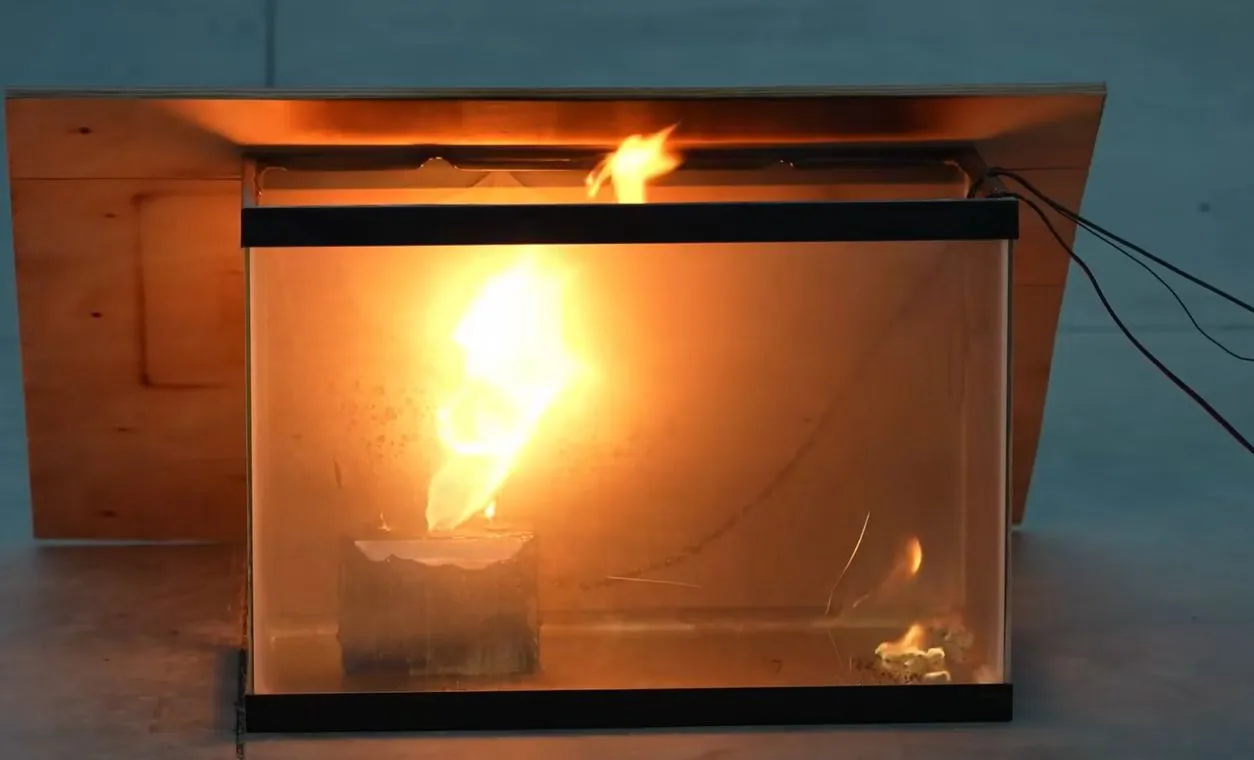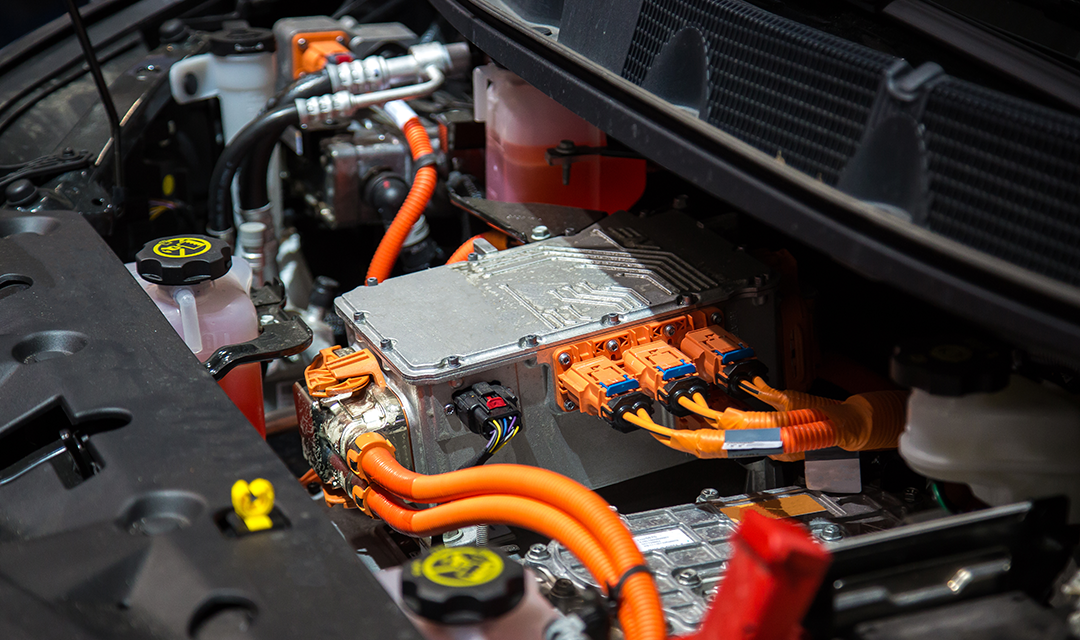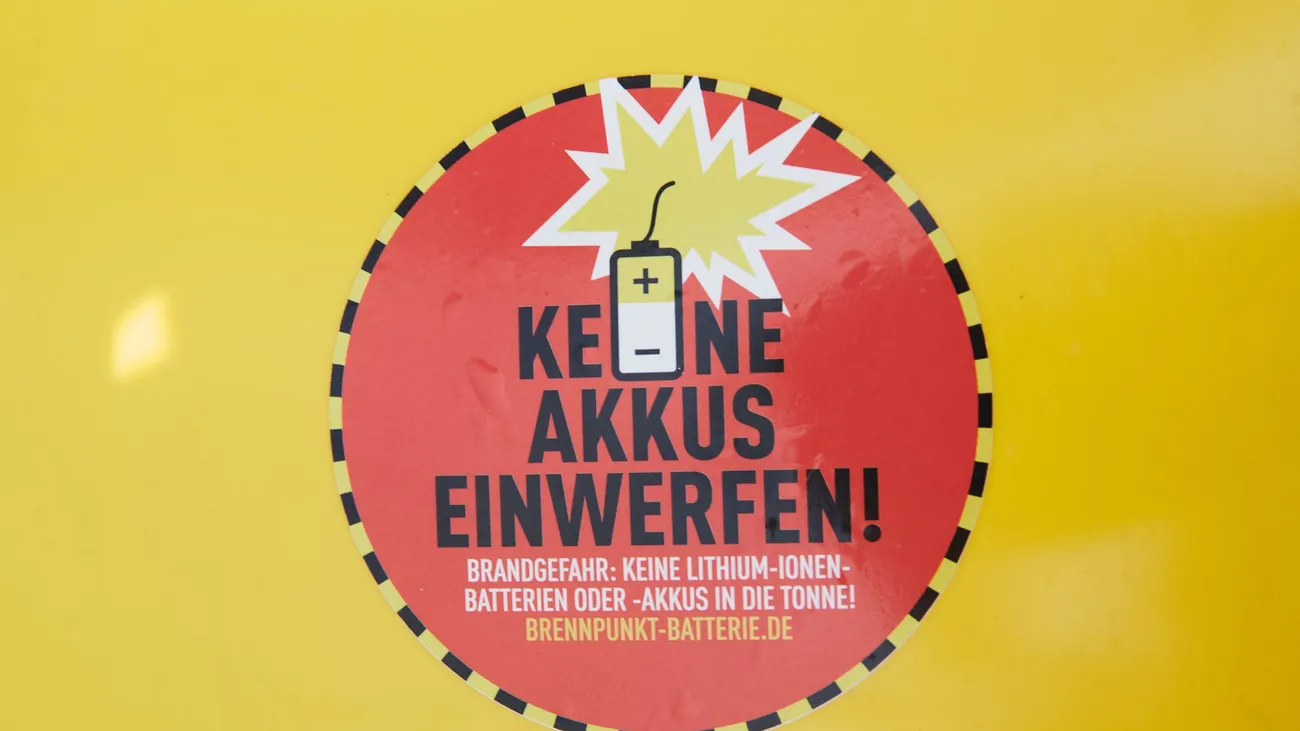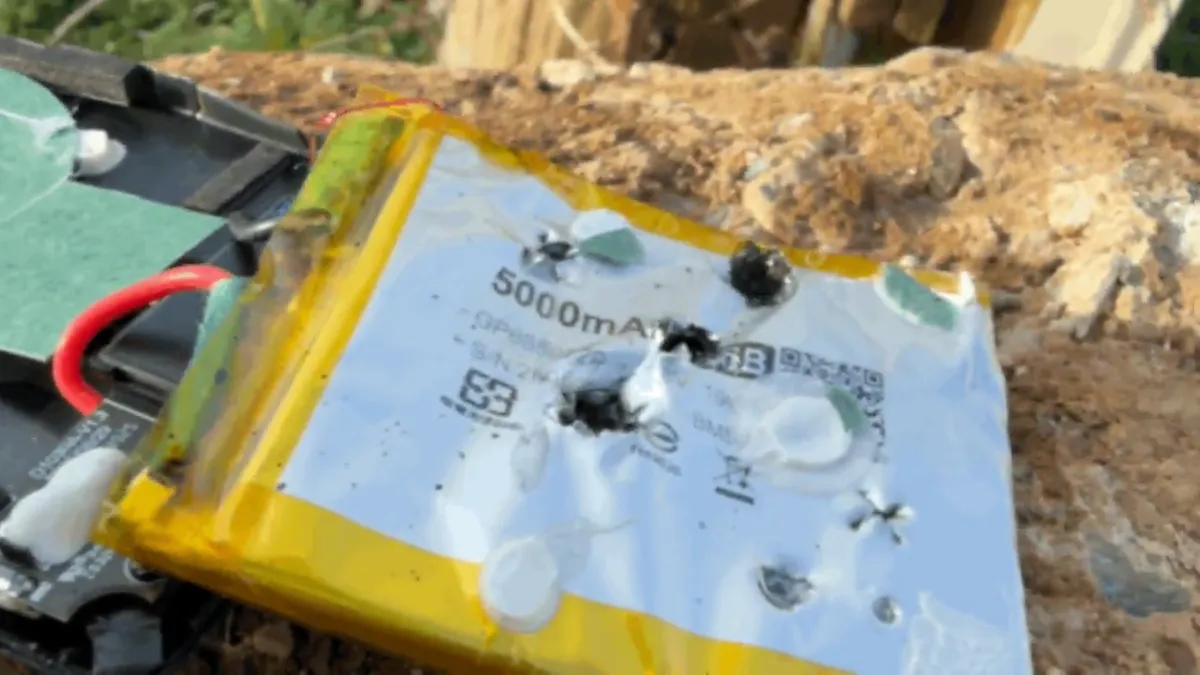
Every year, millions of lithium batteries travel across the world inside electric vehicles, e-bikes, power banks, laptops, and drones. Most of them arrive safely. But when a battery gets crushed — whether in a car accident, a shipping container, or even from being dropped or hit by something heavy — the situation can become dangerous very fast.
This is why the UN38.3 crush test was created.
UN38.3 is the United Nations regulation that lithium batteries must pass before they are allowed to be transported by air, sea, or road. Among its various tests, the crush test is one of the most important mechanical abuse tests. It deliberately applies strong external pressure to the battery to evaluate how it behaves when its structure is damaged.
Why do we need to crush batteries on purpose?
In real life, batteries rarely stay in perfect condition forever. An electric car might be involved in a collision. An e-bike battery could be crushed if the bike falls over or gets hit. A power bank might get squeezed in checked luggage during air transport. When the battery casing deforms, the internal electrode layers can come into contact, creating internal short circuits. This can quickly lead to overheating, fire, or even explosion.