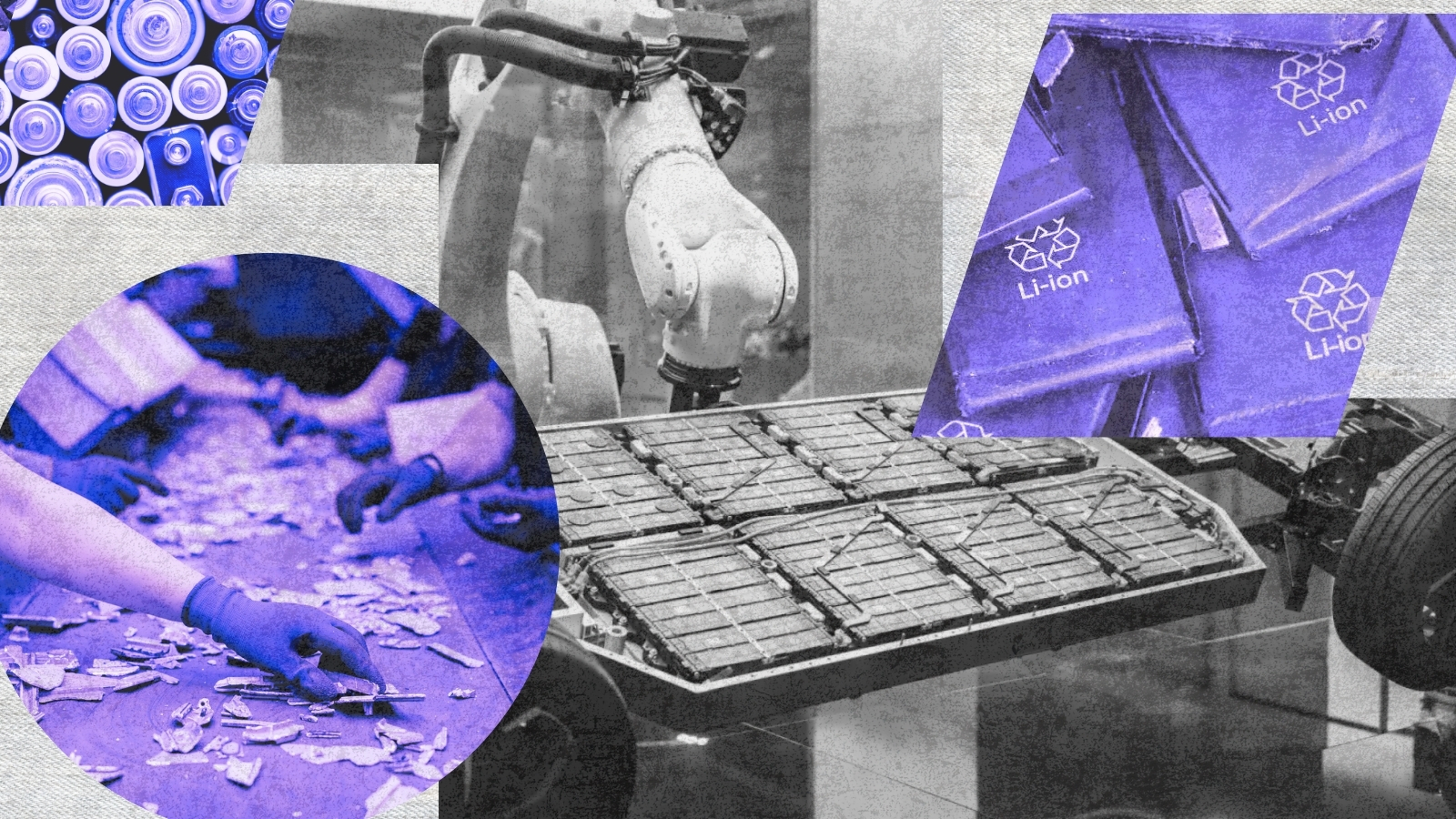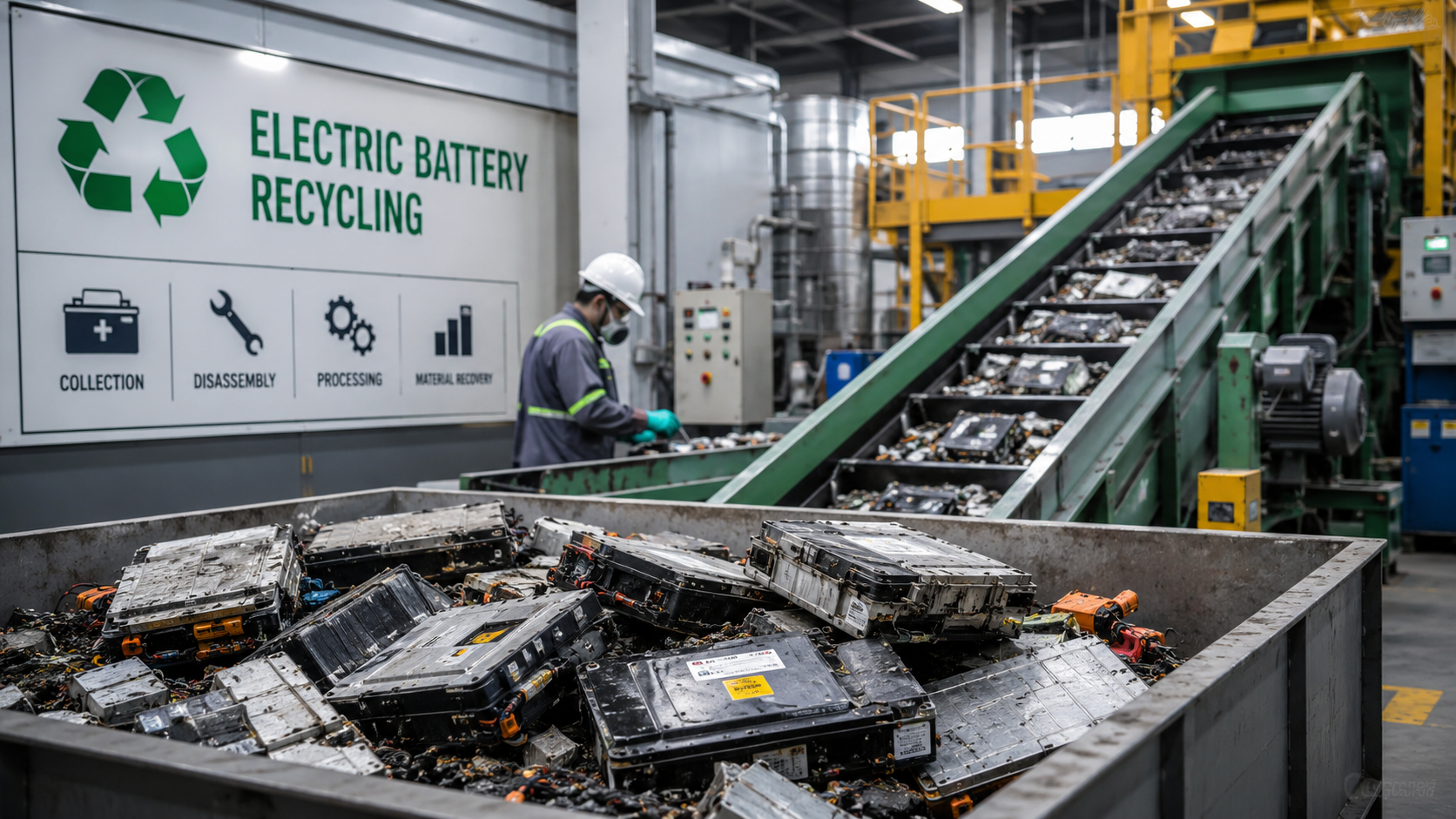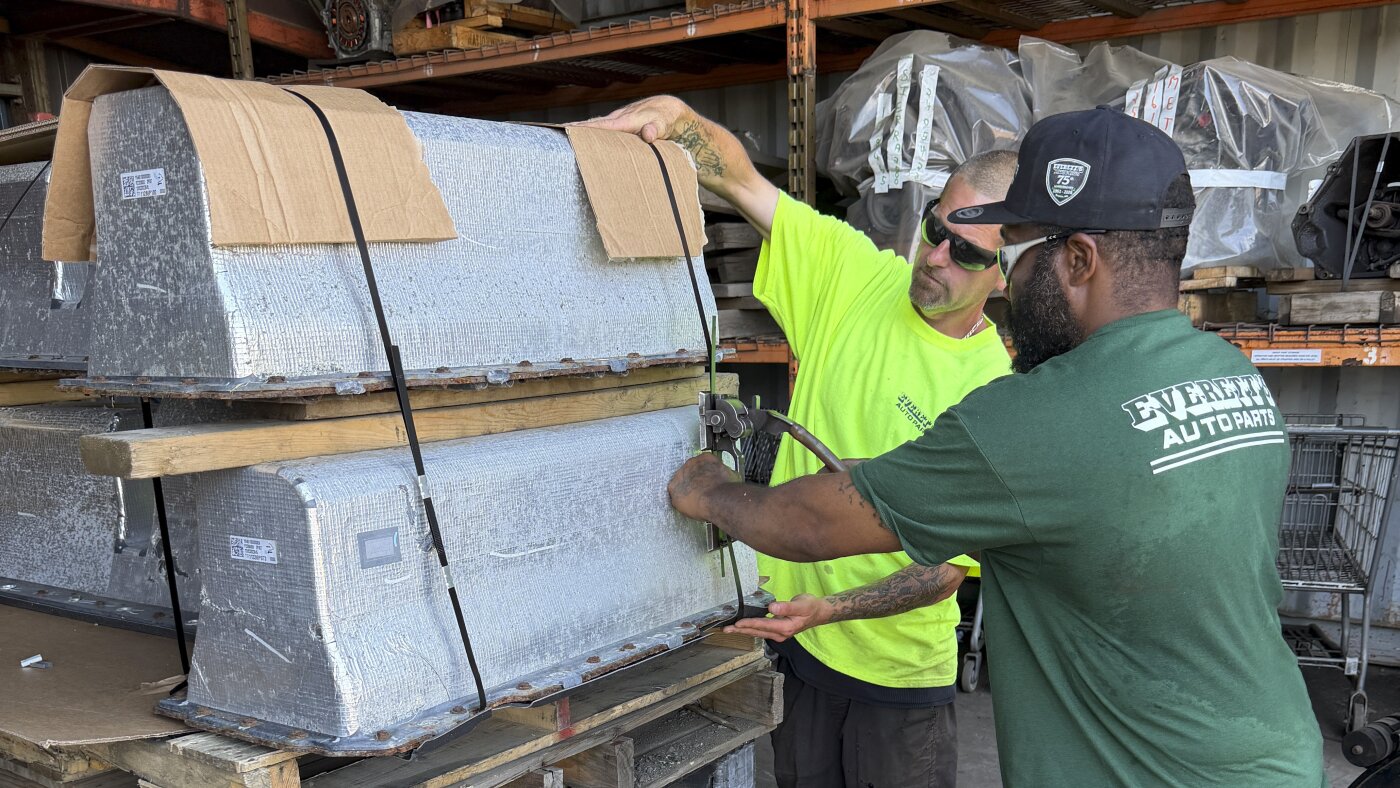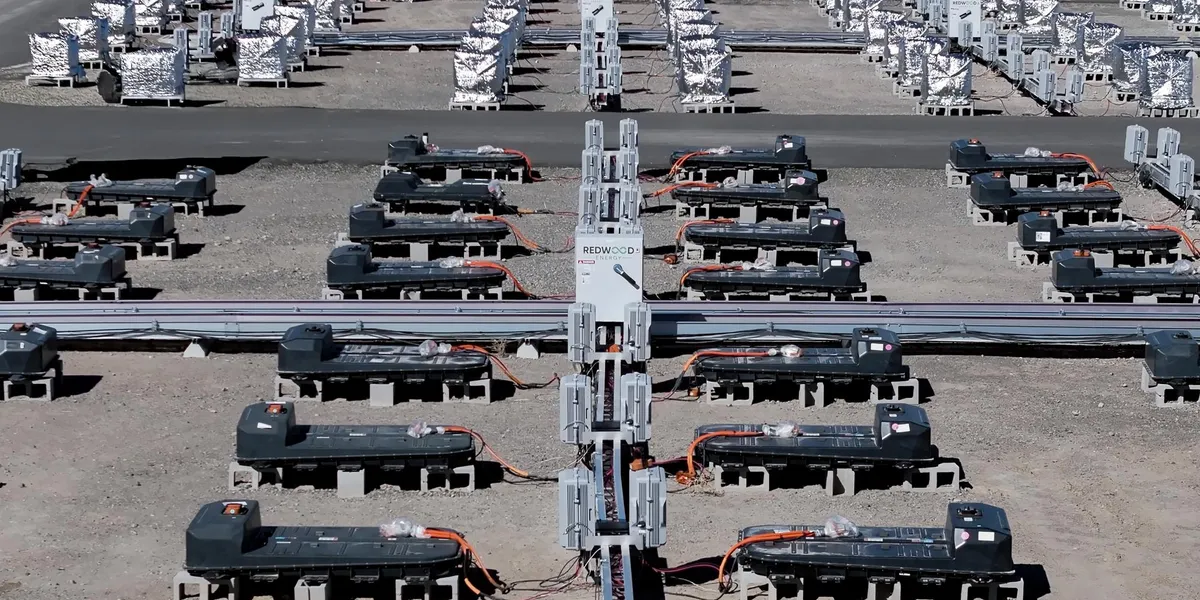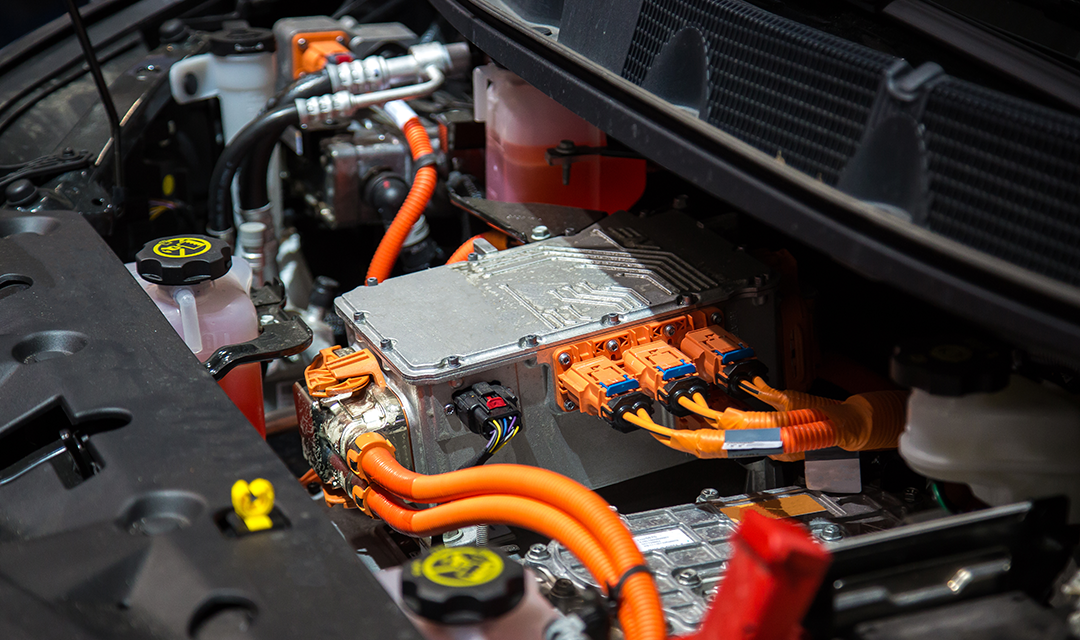
The battery packs powering electric vehicles (EVs) are designed for long-term use, but they won’t last forever, and the first wave of those retirements is now on the horizon. As these batteries begin coming out of vehicles in large numbers, the U.S. faces a critical question: what do we do with them once they’re done?
Each battery contains minerals the nation largely imports, and the way we handle retired packs will determine whether we strengthen the country’s critical mineral supply or deepen our dependency on foreign supply chains.
A new study from CMU’s Department of Engineering and Public Policy offers a data-driven strategy for navigating this challenge and shows that the most effective strategy depends on the chemistry inside each battery. Using a detailed cost model and battery degradation simulations, the researchers evaluated the economic viability of different end-of-life pathways: recycling to recover critical minerals or repurposing for stationary energy storage to support the power grid. They found that treating all batteries the same way risks wasting valuable materials, missing opportunities to extend battery life, and undermining efforts to build a resilient, circular supply chain.