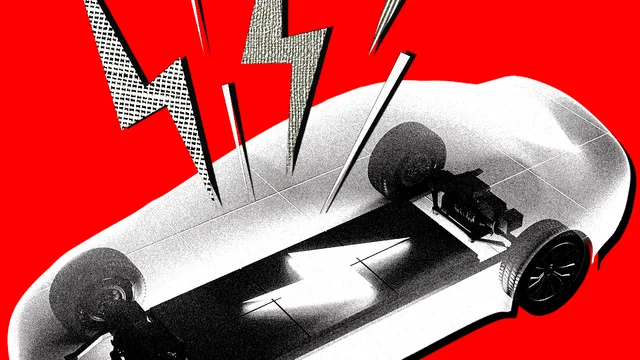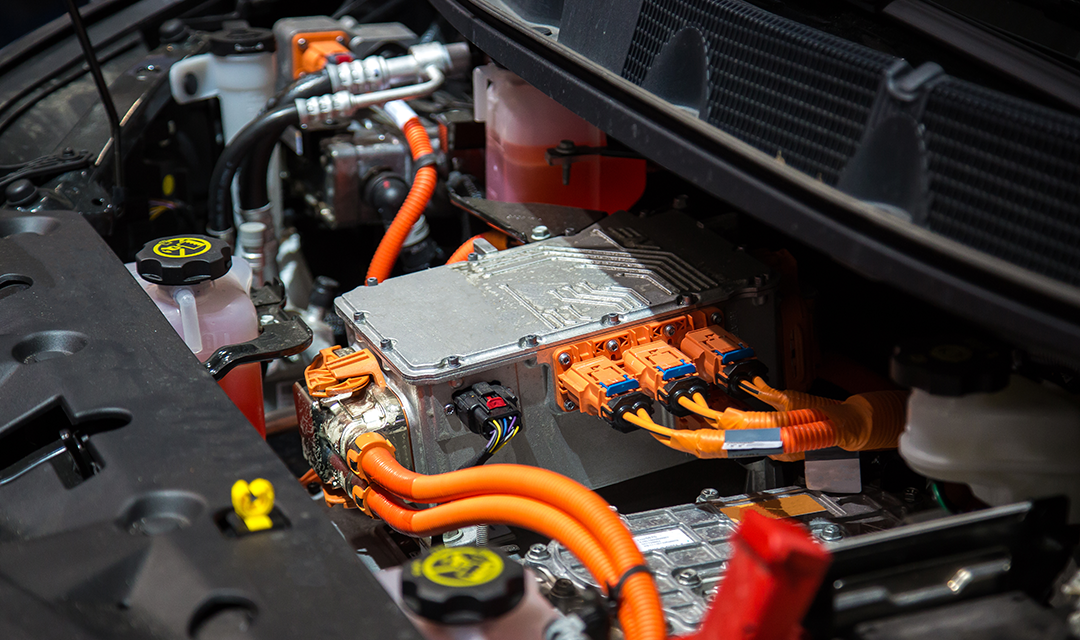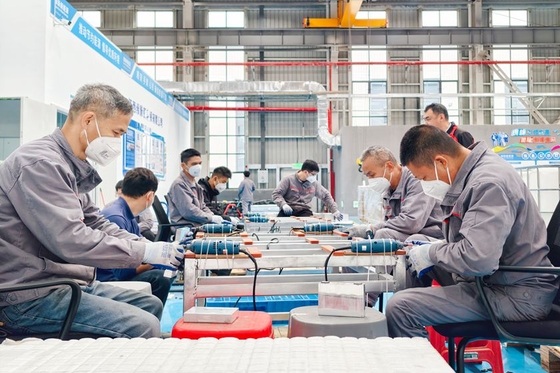
The first wave of electric-vehicle batteries is reaching the end of the road, and China and the West are taking very different paths on what to do with them.
An electric car battery wears out after about a decade. It is too weak by then to drive far, but still holds plenty of charge for lighter work, and that leftover life can be used two ways: The battery can be kept whole to store electricity, or shredded so the lithium, nickel, and cobalt inside can be recycled for new ones.
China has picked the shredder. Rules that took effect on April 1 dropped reuse as a goal and put metal recovery first, according to a government statement. The U.S. and Europe are going the other way, backing companies that find a tired battery a gentler second job before it is taken apart.
The choice is really about the metals inside them. Lithium, nickel, and cobalt are the lifeblood of every new battery, scarce and fought over, and pulling them from old packs costs less than mining fresh ore. Both China and the West want those metals, locked in millions of worn-out batteries, and differ only on when to go after them.
What’s inside an EV battery, and what’s worth recoveringNickelHigh value, and the main reason recycling pays. Used in the pricier batteries in most U.S. and European EVs, and the metal recyclers most want.CobaltScarce and expensive, mostly mined in the Democratic Republic of Congo. Its high value drives the recycling, so recyclers prioritize it.LithiumStores the charge and gives the battery its name. Worth recovering, but harder to extract and needs heavy processing to reach battery grade.Iron, manganese, copper, aluminiumUsed in varying amounts. Mostly low value, with copper the one worth recovering on price.Lithium Ion PhosphateUsed in a fast-growing share of EVs, especially in China. It holds no valuable metals, which makes it unprofitable to recycle and the reason the cheapest batteries need rules to force recycling.