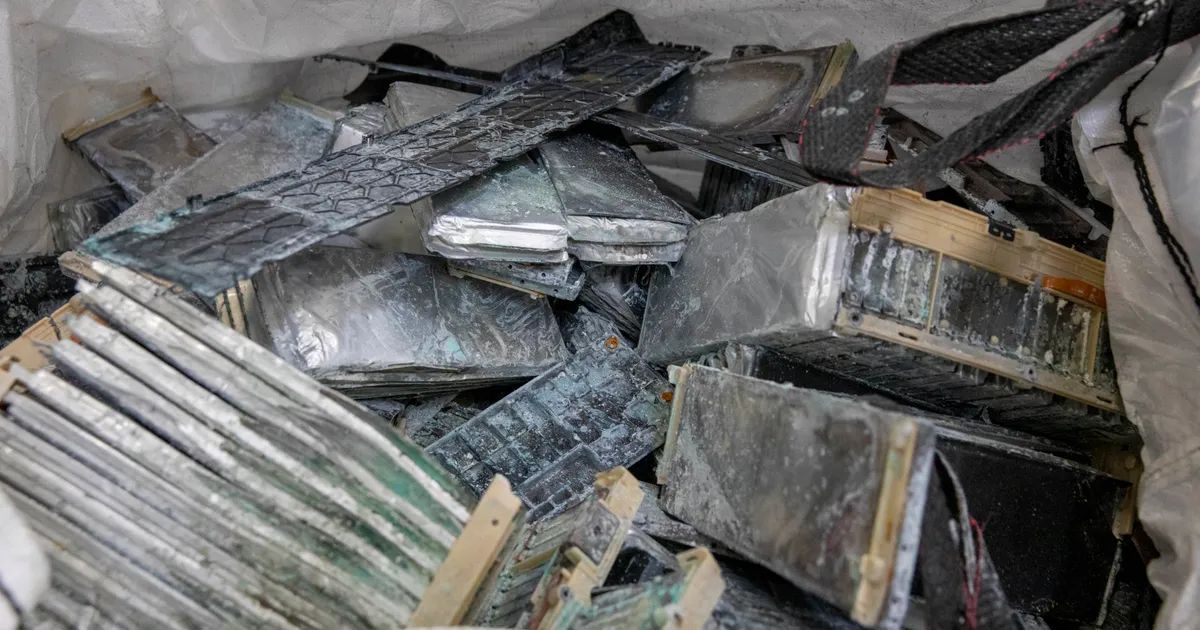
Batteries are reshaping the U.S. energy system, not to mention the automotive and defense industries. But the movement to unlock affordable battery recycling just hit another setback.
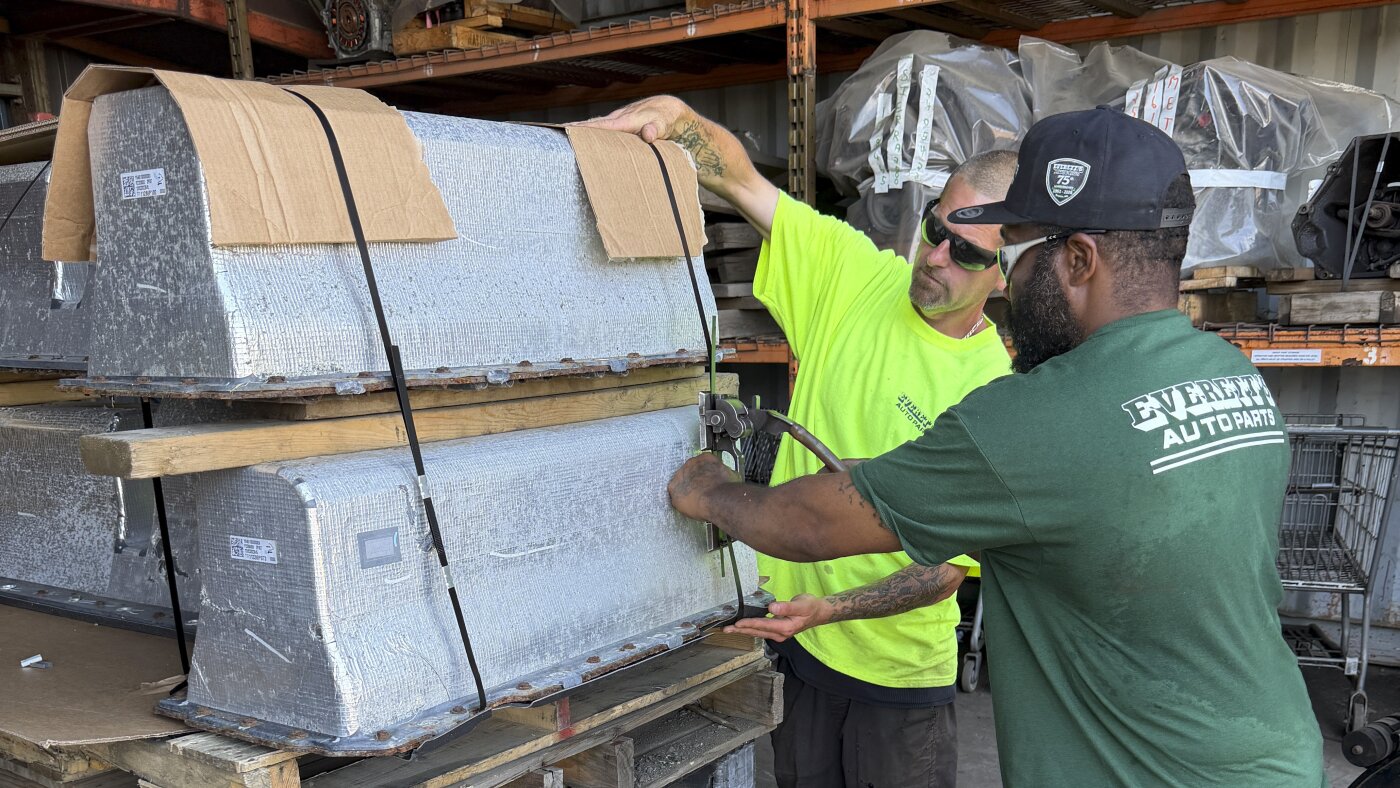
The startup Ascend Elements has outlasted several rival battery recycling firms that ran out of money. It has operated a battery-disassembly plant near Atlanta since 2023, and is building a facility in Kentucky to turn ground-up batteries into useful ingredients for new units. Now, however, the company’s future is up in the air: It filed for bankruptcy on April 9, with company leadership citing “insurmountable” financial difficulties.
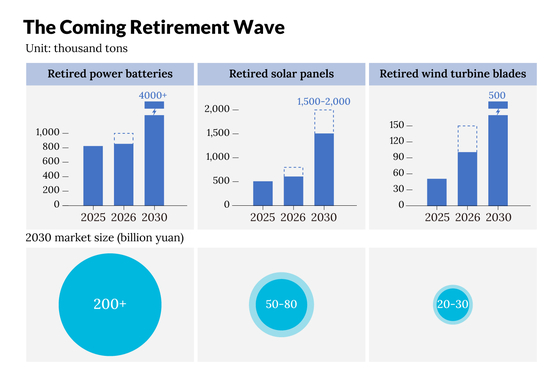
Ascend’s descent is indicative of the broader travails of the would-be battery recycling industry, which was supposed to figure out what to do with all the old batteries that will pile up from the electric vehicle revolution.
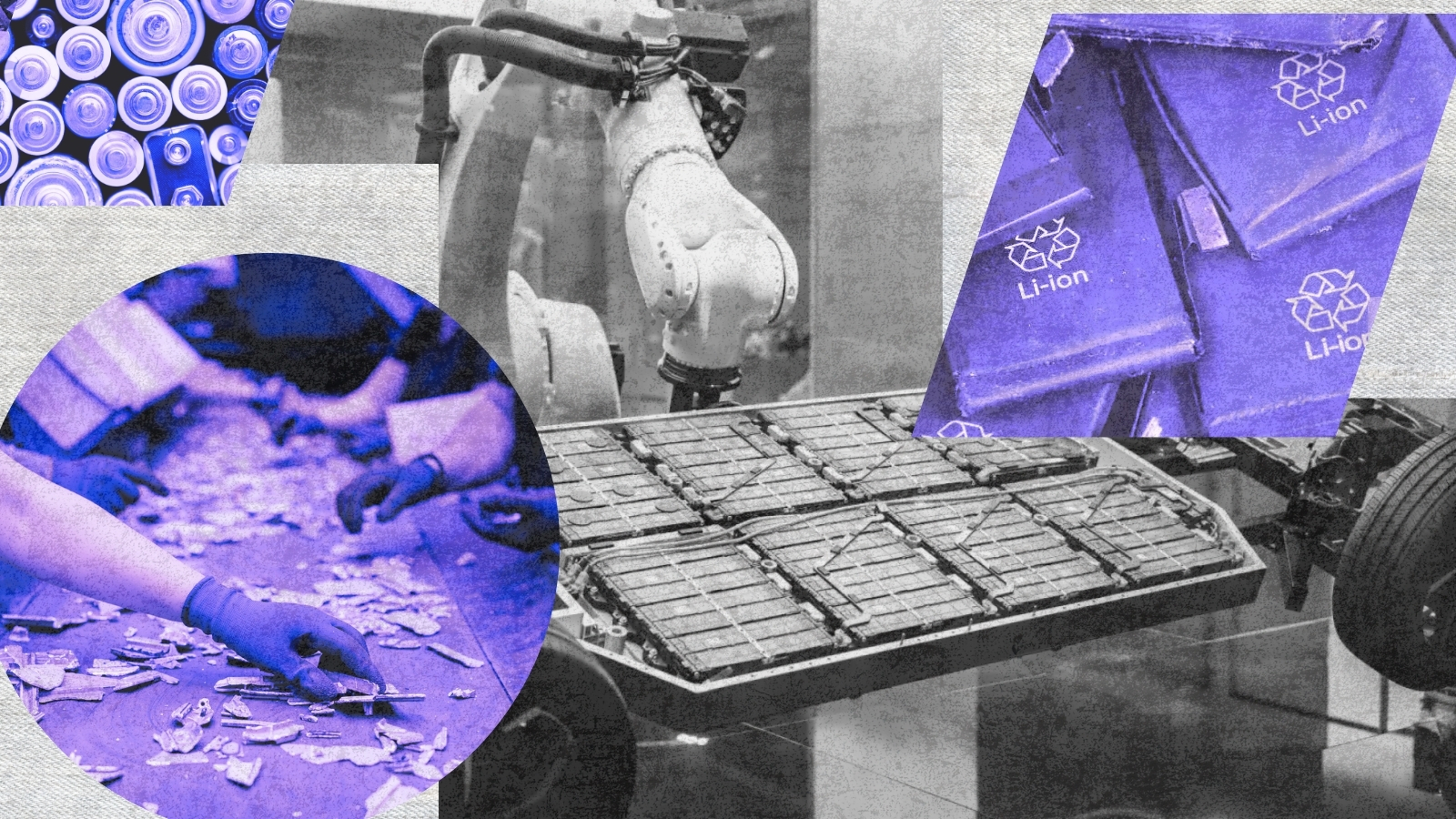
In the early years of the Biden administration, it looked like the venture capitalists were about to instigate a lithium-ion recycling revolution. Safely shredding old batteries was time-consuming and laborious, and retrieving valuable components was even harder. VCs funded a class of latter-day alchemists who bragged about shredding faster and cheaper, retrieving nearly 100% of the useful material from spent batteries, and then selling it right back into the supply chain. But those entrepreneurs struggled to achieve that performance at real, commercial-scale recycling facilities. Several diminished their ambitions for what they could actually recycle, a retreat that typically presaged corporate collapse.