Skip to content
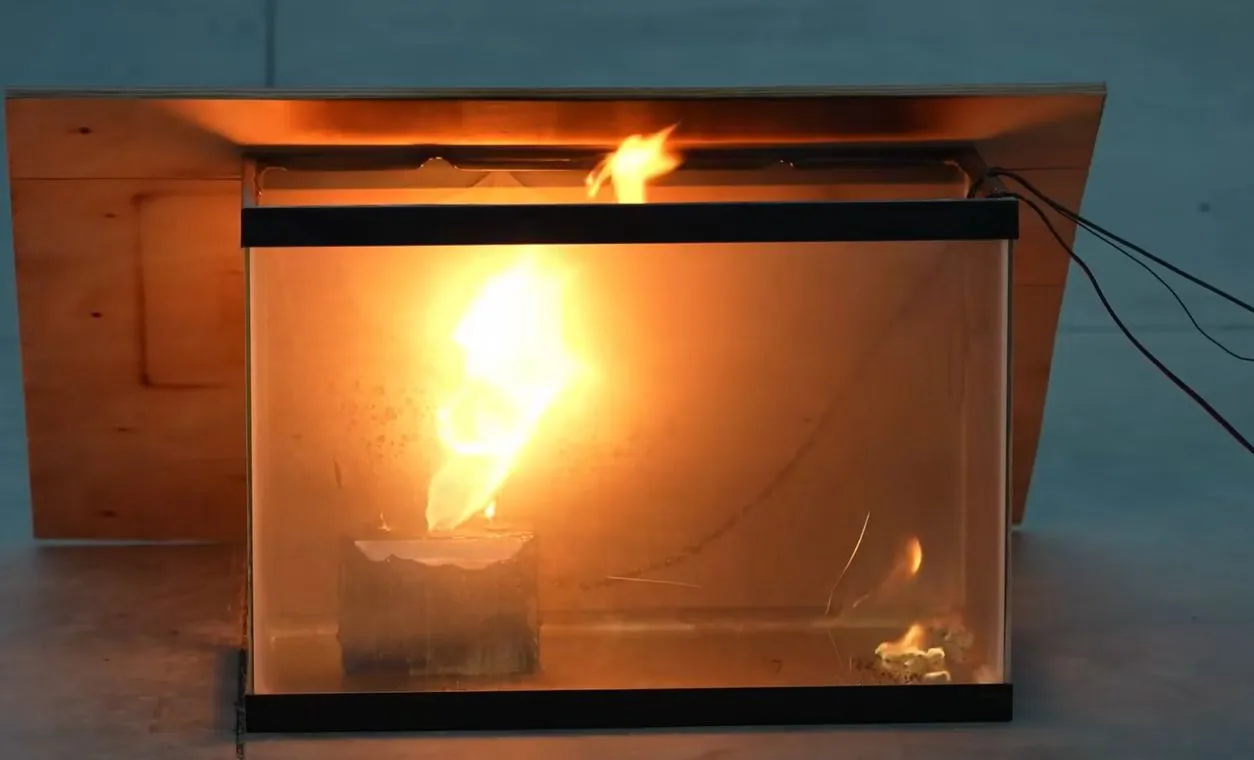
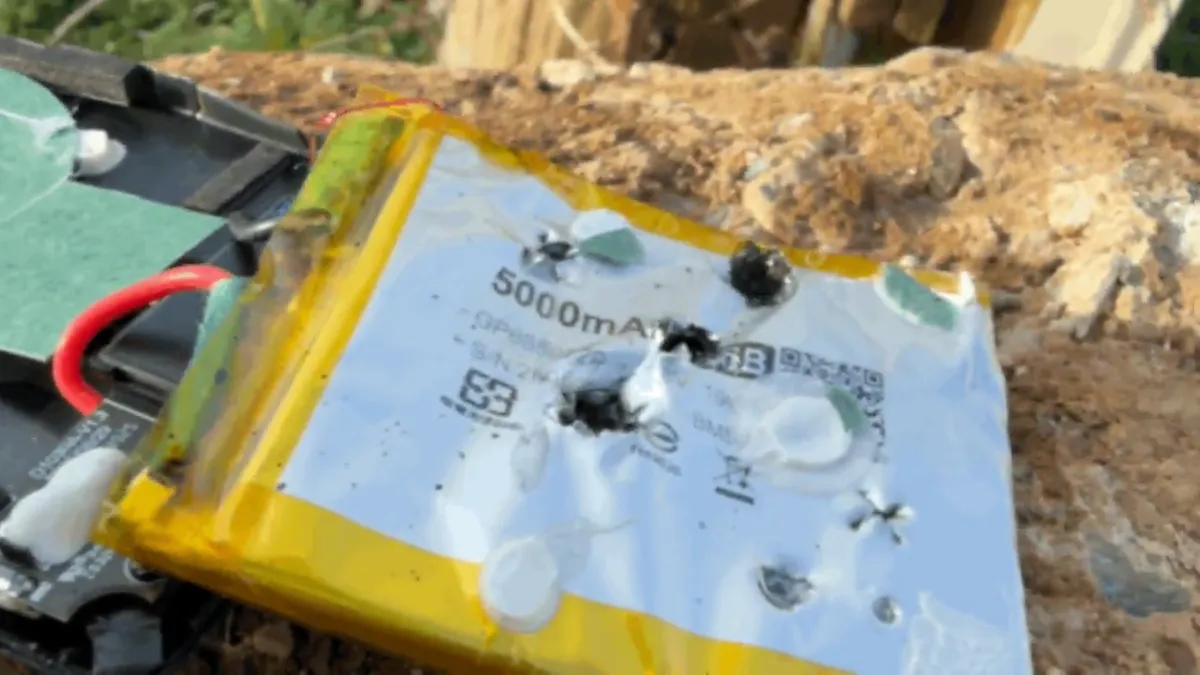
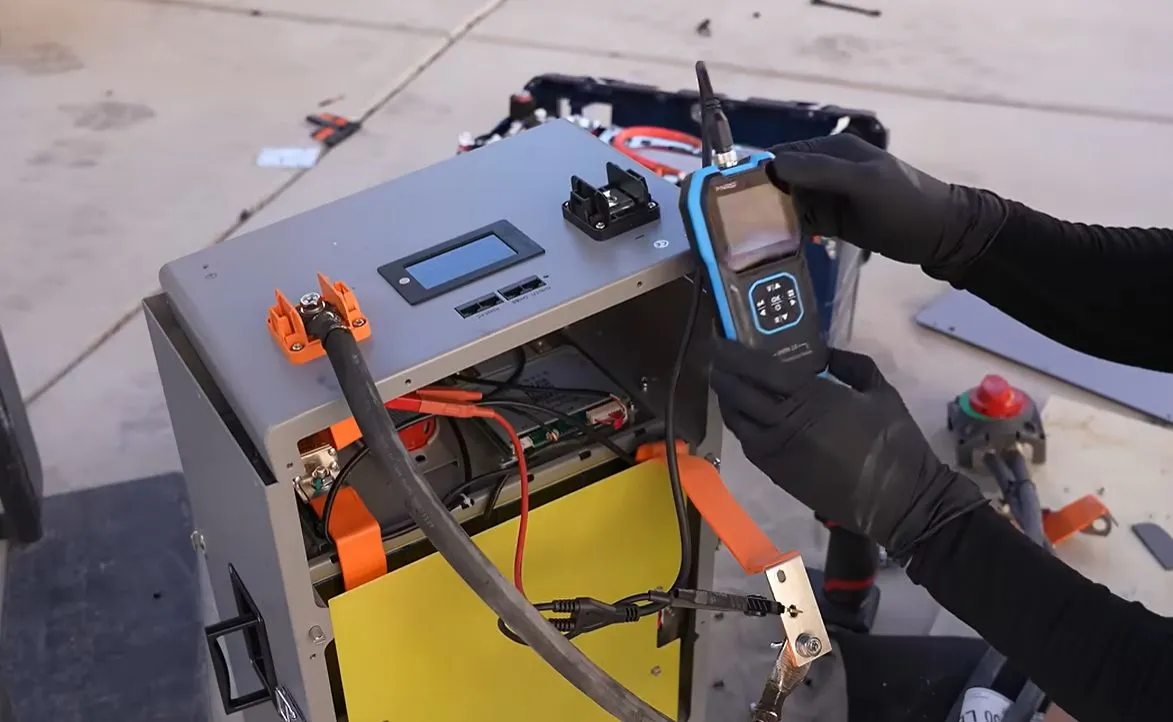
Generally, LiFePO4 (LFP) batteries are quite safe and stable, but it’s still possible for something to go wrong, even something catastrophic, like the battery management system (BMS) developing a direct short. This is one of the tests required to be certified for the UL 2054 standard that targets household and portable battery safety. In a recent series of videos, [Will Prowse] demonstrates how a series of commercial batteries pass these tests, and how some still fail.
This particular short-circuit test is quite demanding, as it requires that this failure condition is immediately detected and some kind of fail-safe mechanism – like a fuse – kicks in. The first two batteries easily pass this test by blowing their fuse, just as you expect. Interestingly, the second unit here isn’t even UL-listed but comes with multiple layers of safety.
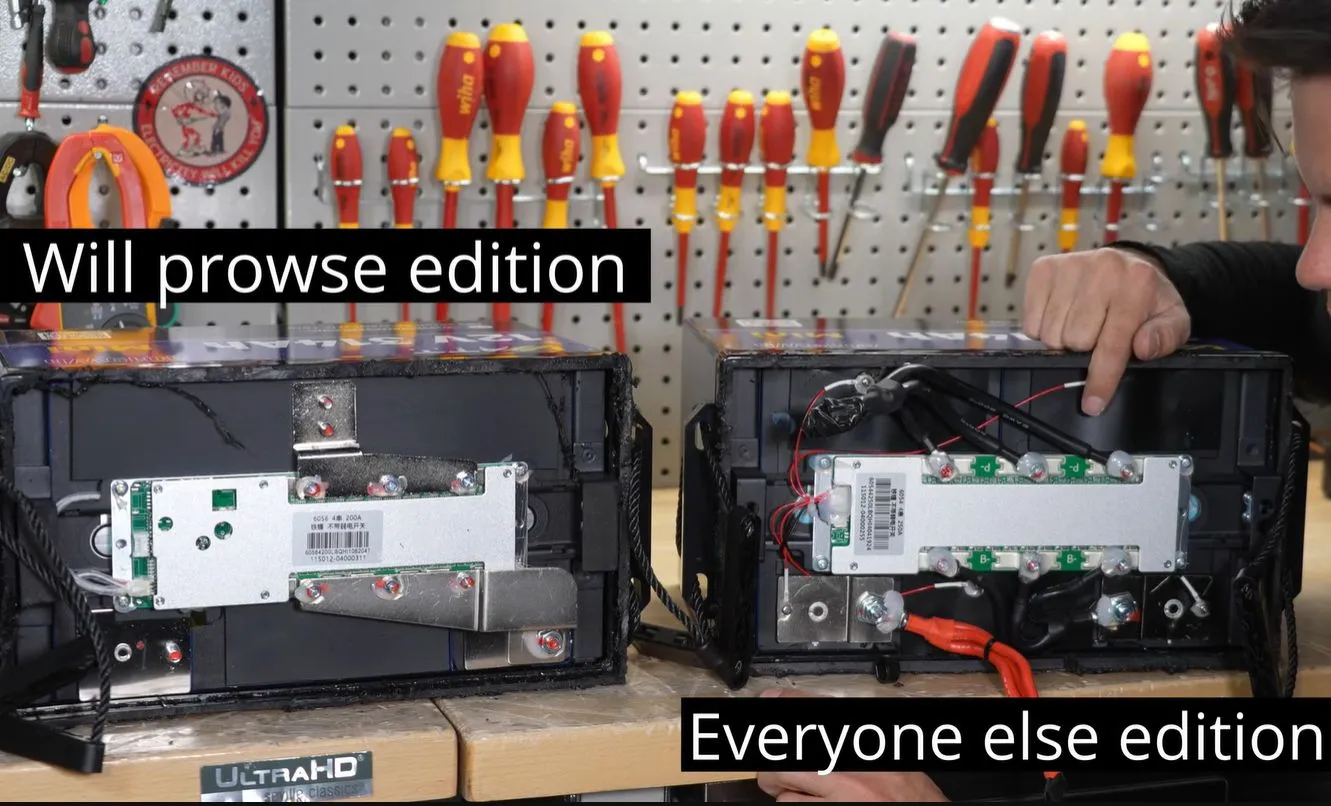
The third unit shown is a ‘Li Time’ LFP battery akin to what you’d purchase off a random online retailer’s website. This battery features the typical basic BMS and battery configuration, but is missing a chunky, prominently placed fuse. ‘LiTime’ also claims to be UL 2054 certified. The problem with this claim is that there is no fuse to prevent a thermal runaway event if the BMS were to short.