Solid-state batteries suffer from a key technical challenge that can cause them to short circuit.
Researchers were able to diagnose the root cause, and develop a solution for it.
Solid-state batteries promise to revolutionize electric vehicles, but have remained largely elusive.
Solid-state batteries have spent years stuck in an all-talk, no-show phase. We hear about breakthroughs constantly, yet there's still no production electric vehicle on the road that's actually available for you to buy. But researchers haven't given up, and a new MIT study might explain why solid-state batteries keep stalling out, and what can be done to make them viable.
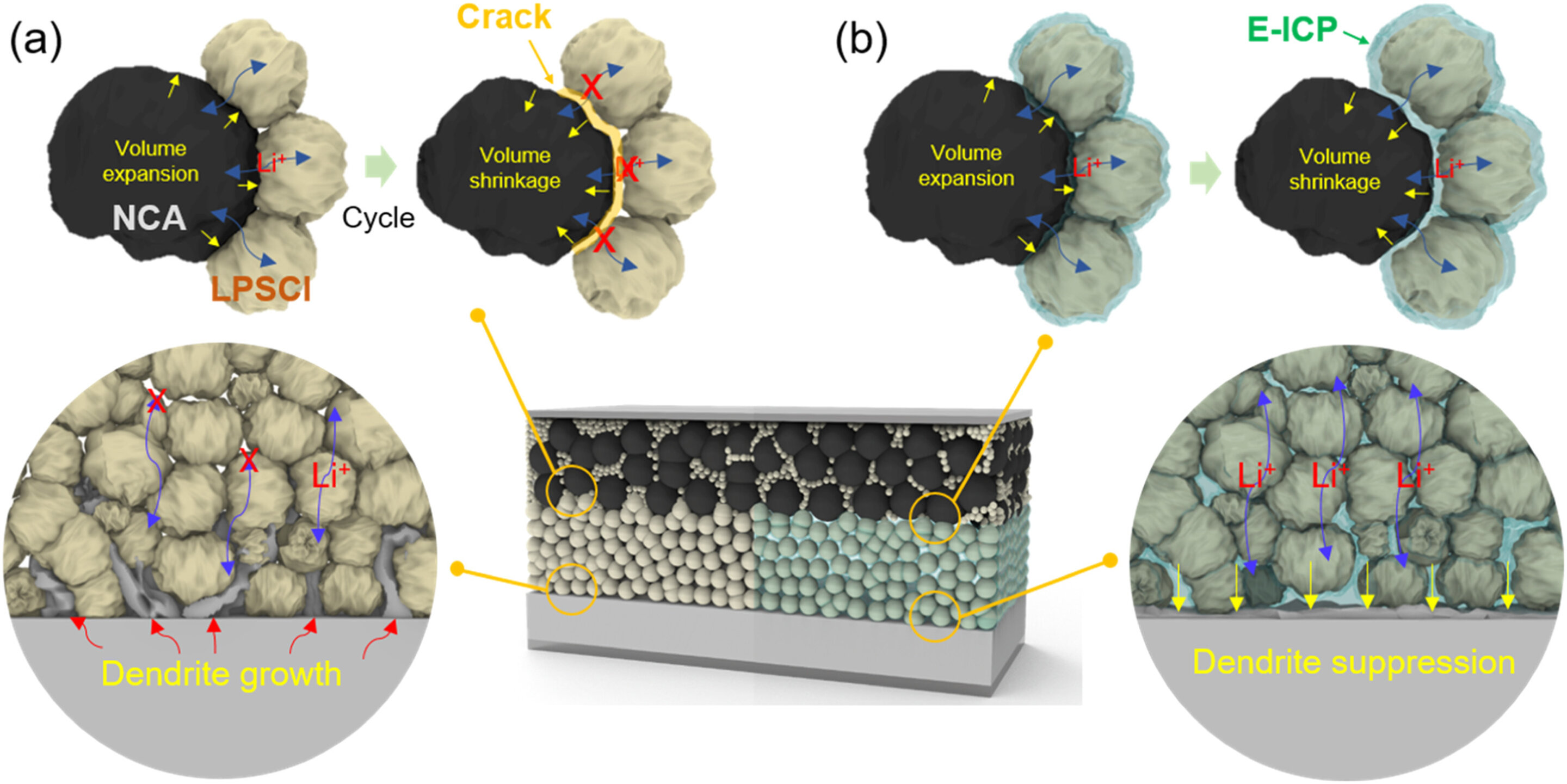
Automakers say EVs powered by solid-state batteries can drive farther, charge faster, and eliminate the fire risk that comes with liquid electrolytes. But their development has seemingly been moving at glacial pace, and one of the reasons is a stubborn defect called dendrites, the tiny spikes of lithium metal that grow inside the battery, causing damage.