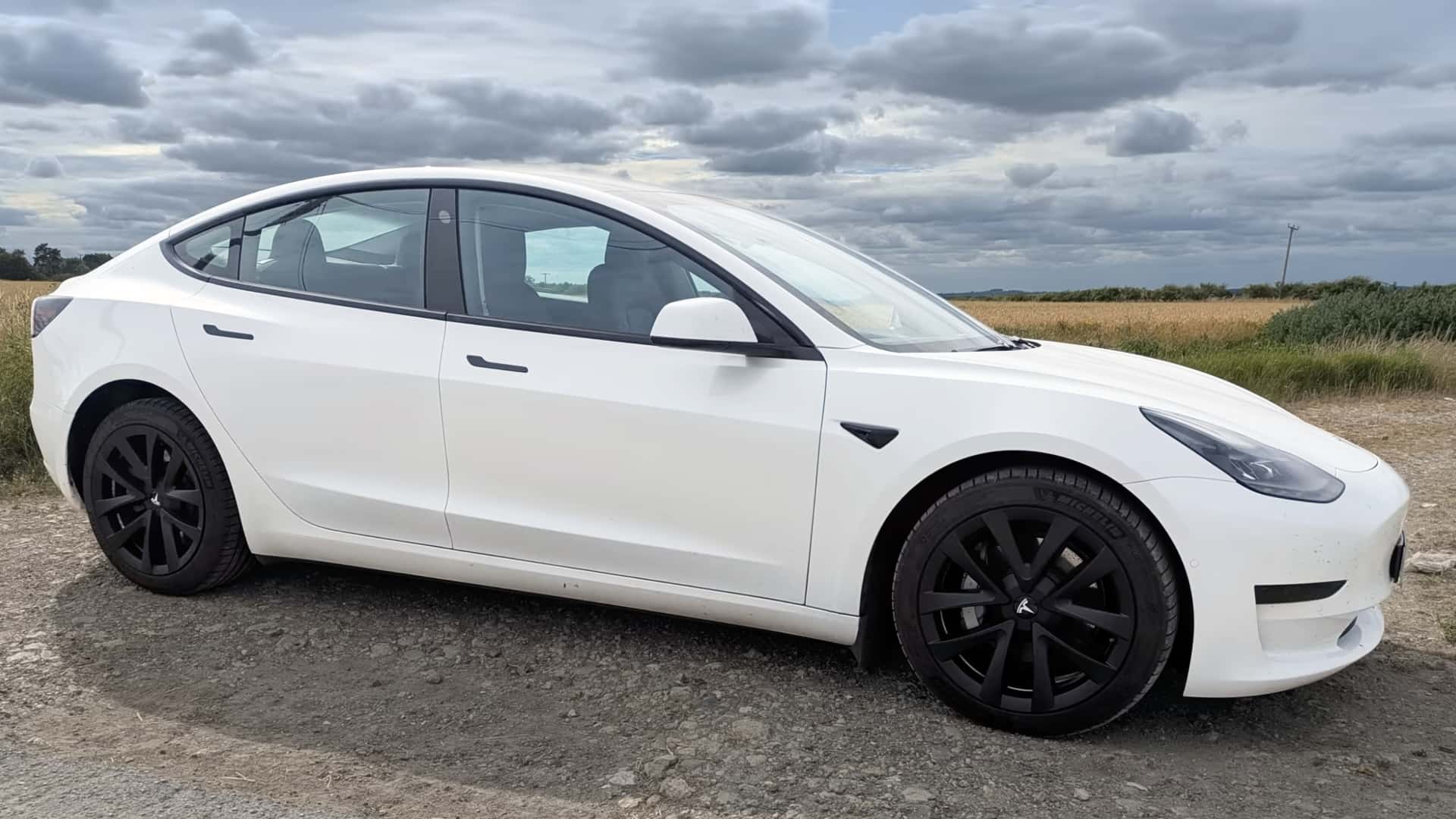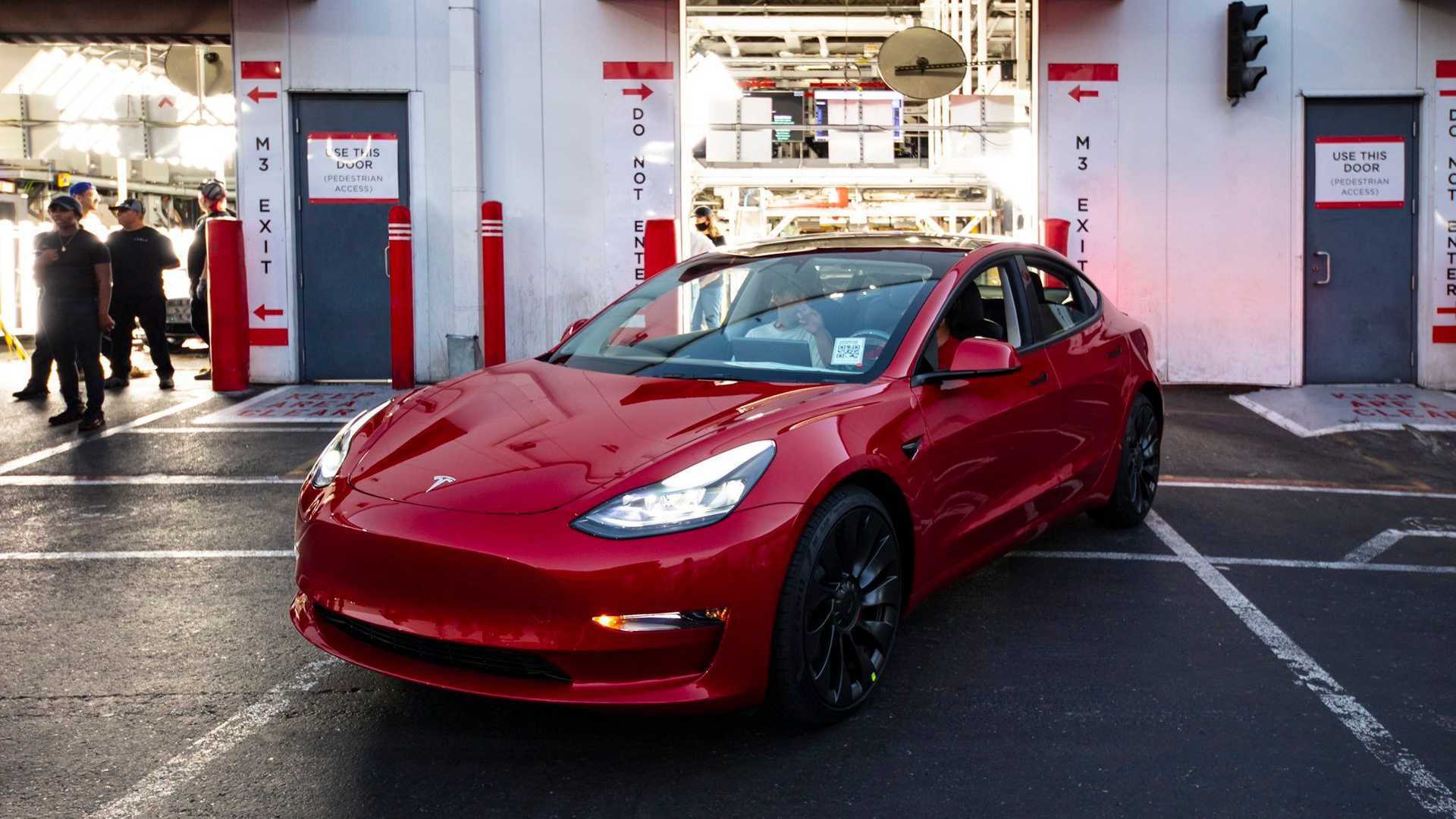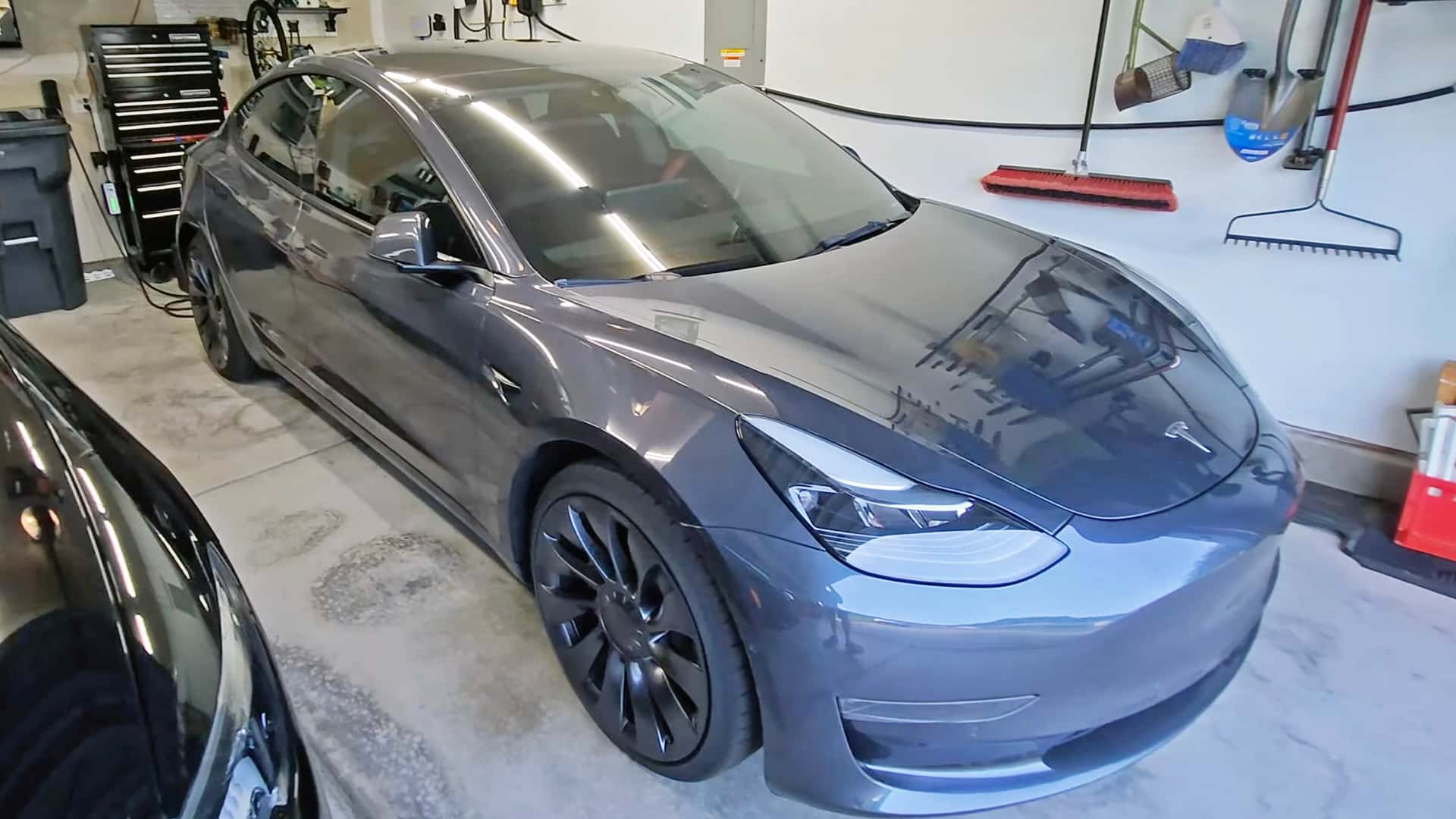
A rented 2023 Model 3 with Tesla’s LFP battery still showed notable degradation.
Tesla’s built-in battery test returned a worse result than the Tessie app estimate.
LFP packs can withstand more than NMC packs, but rental use, tropical heat, and charging habits still matter. Lithium iron phosphate (LFP) is often sold as the electric vehicle battery chemistry you can charge to 100% without worry. However, this 2023 Tesla Model 3 showed more degradation than expected at under 26,000 miles.
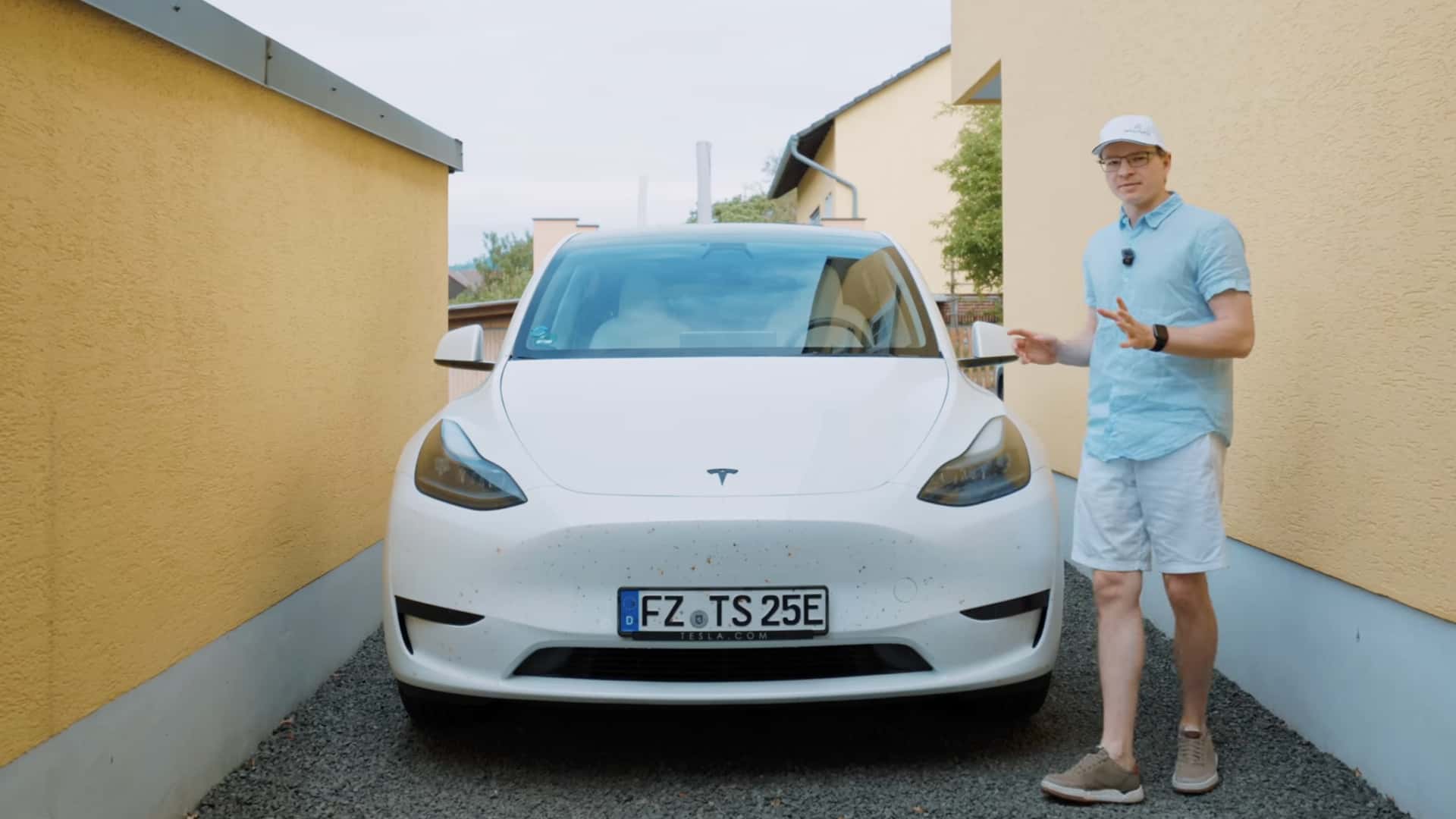
YouTuber Branden Flasch tested the battery health of a rented 2023 Tesla Model 3 Rear-Wheel Drive in Maui, Hawaii, and the result was lower than expected. For a three-year-old LFP car with that mileage, the Tessie app estimated that it had 92.27% of its original capacity remaining after 253 charge-discharge cycles.
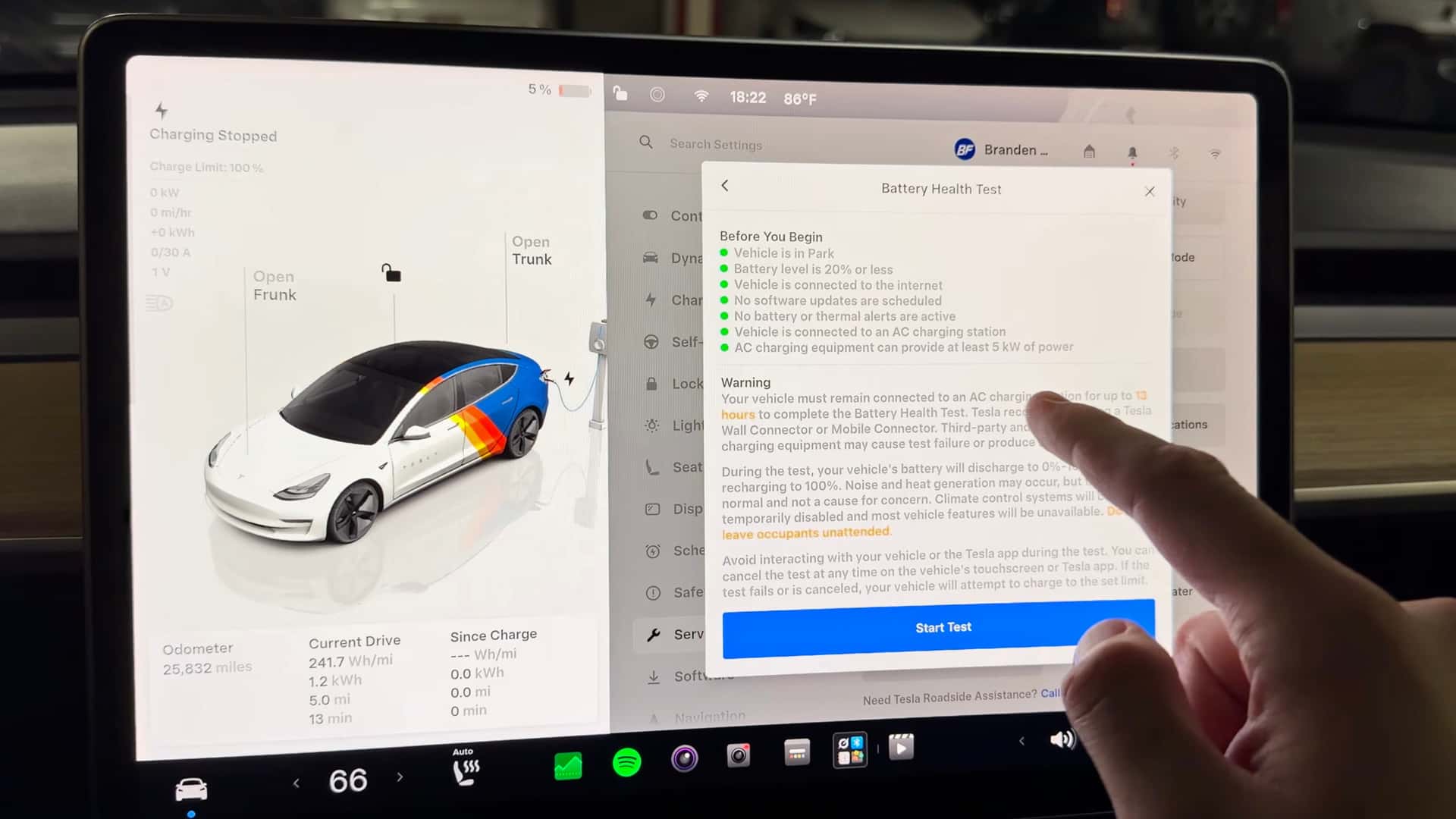
That percentage turned out to be optimistic after Branden had the car run its built-in battery health test, which requires the car to be plugged in overnight so that it can discharge its battery to near empty and then charge it back up to full, giving an accurate picture of its full capacity and whether there’s an imbalance between the cells.