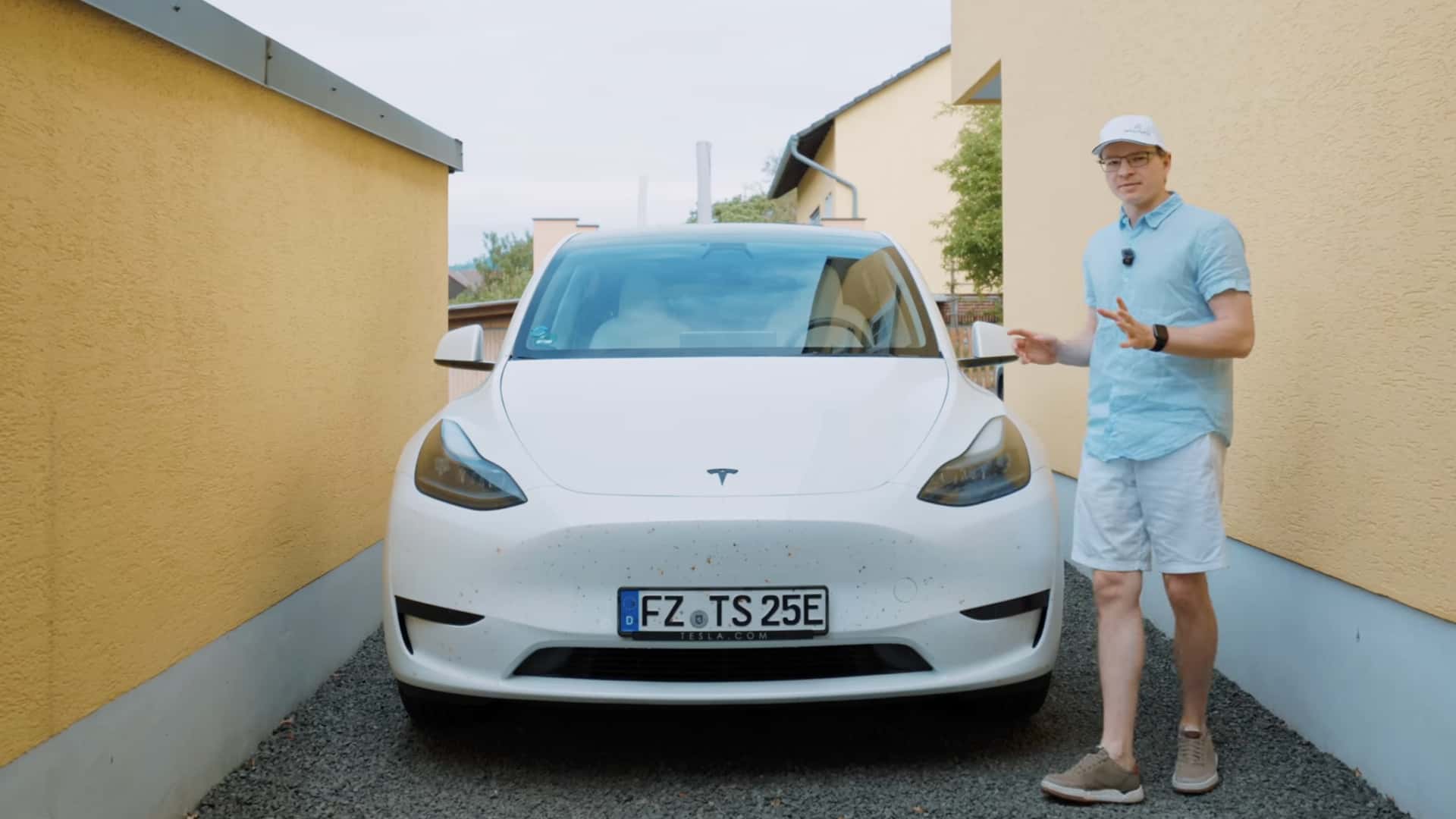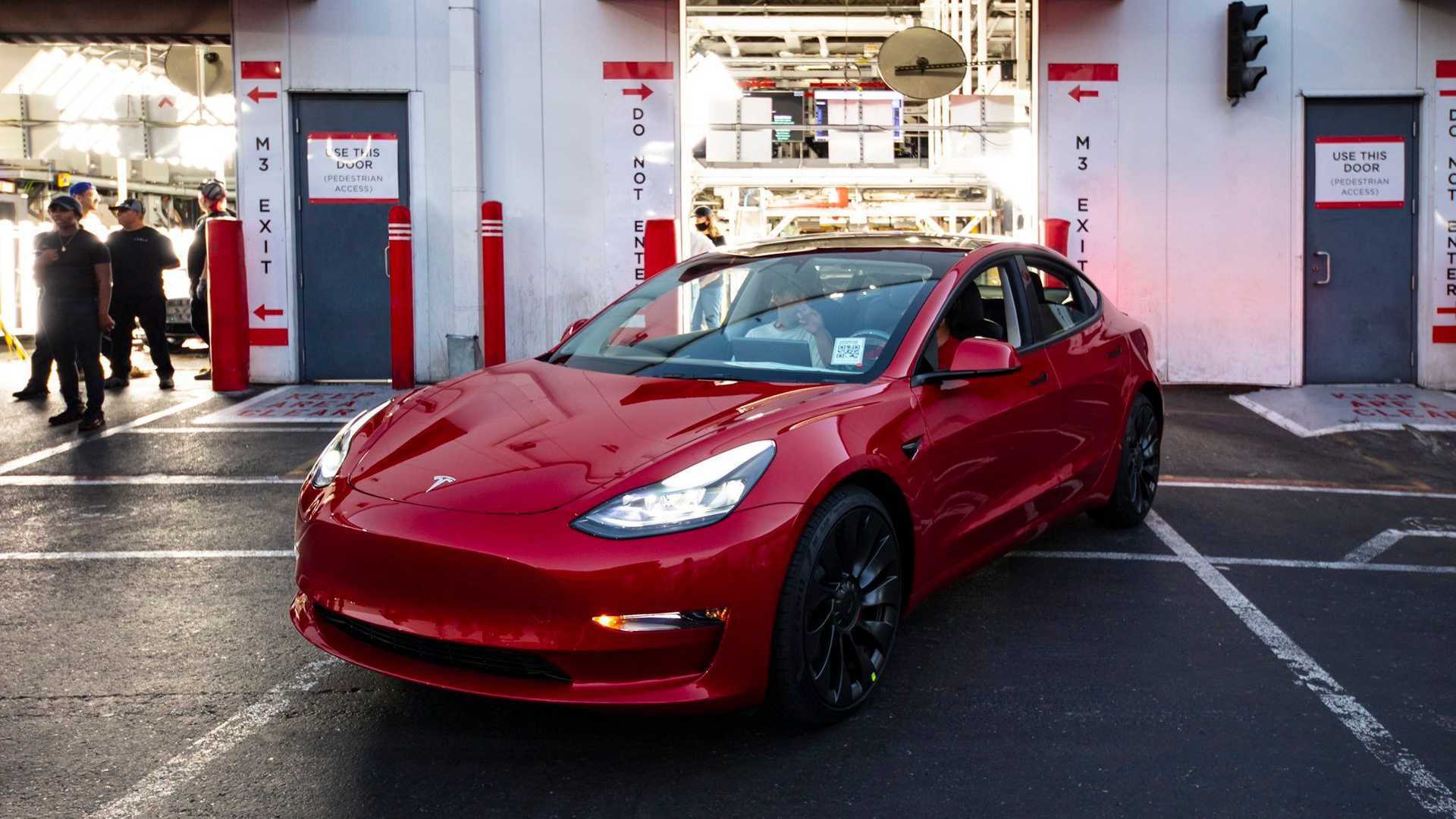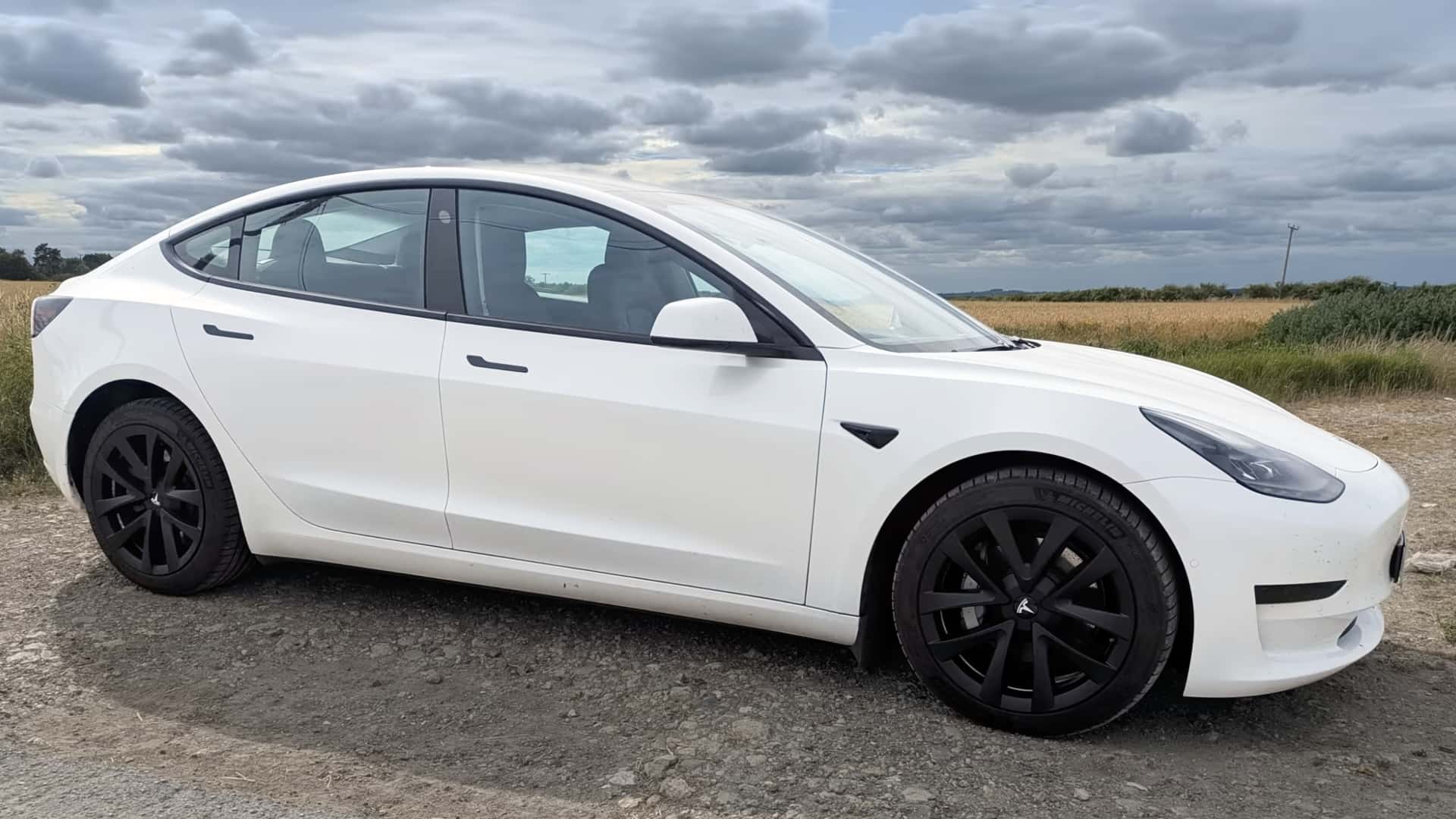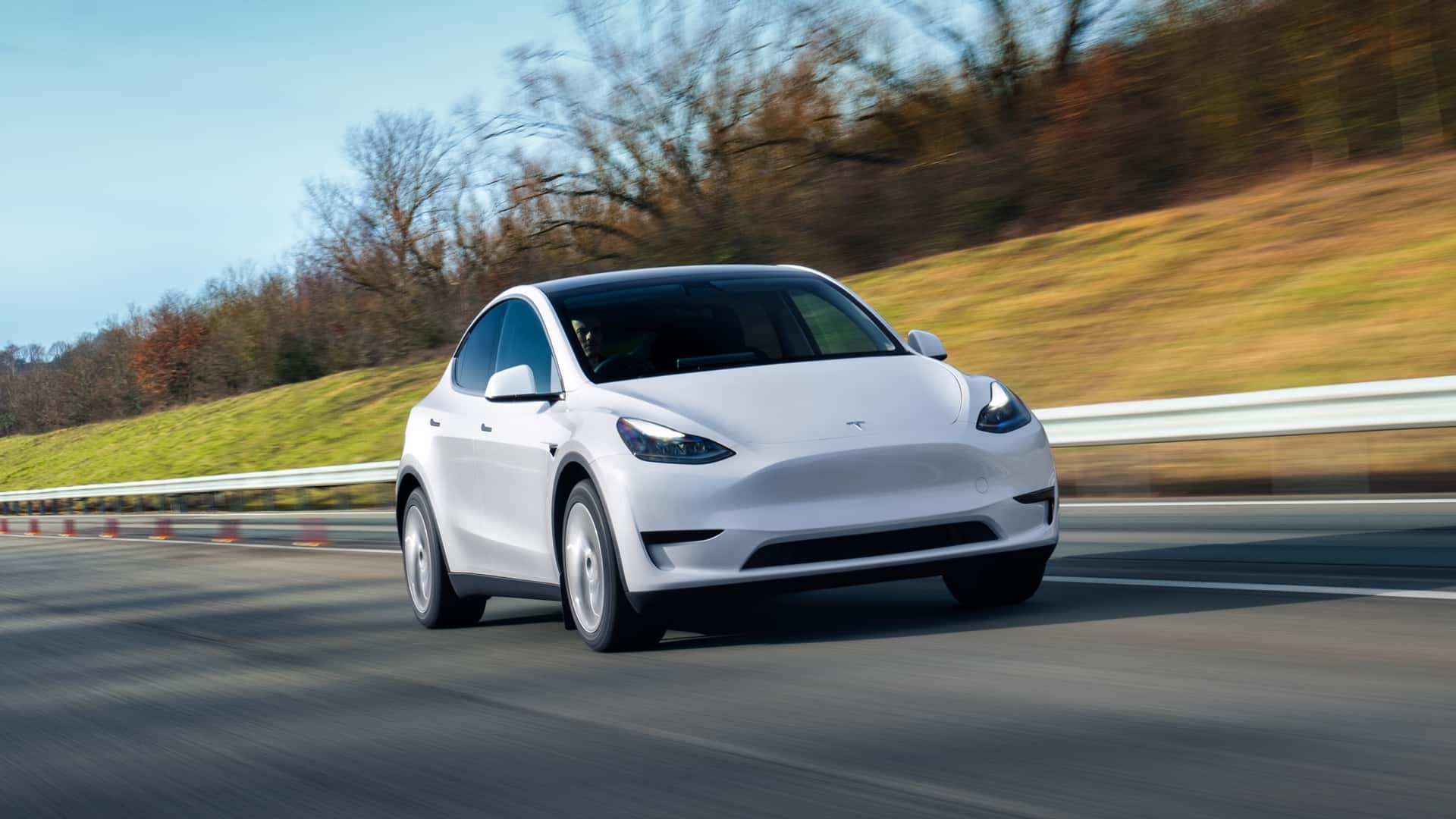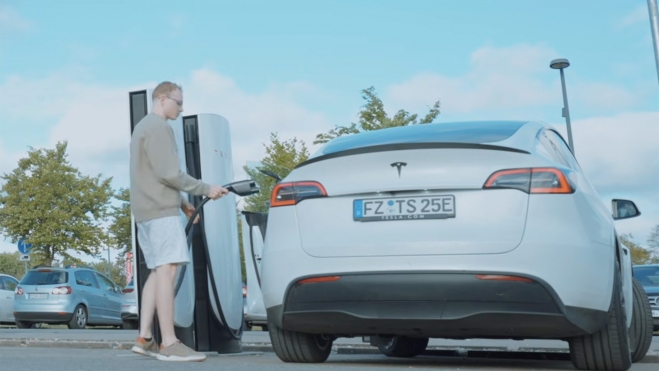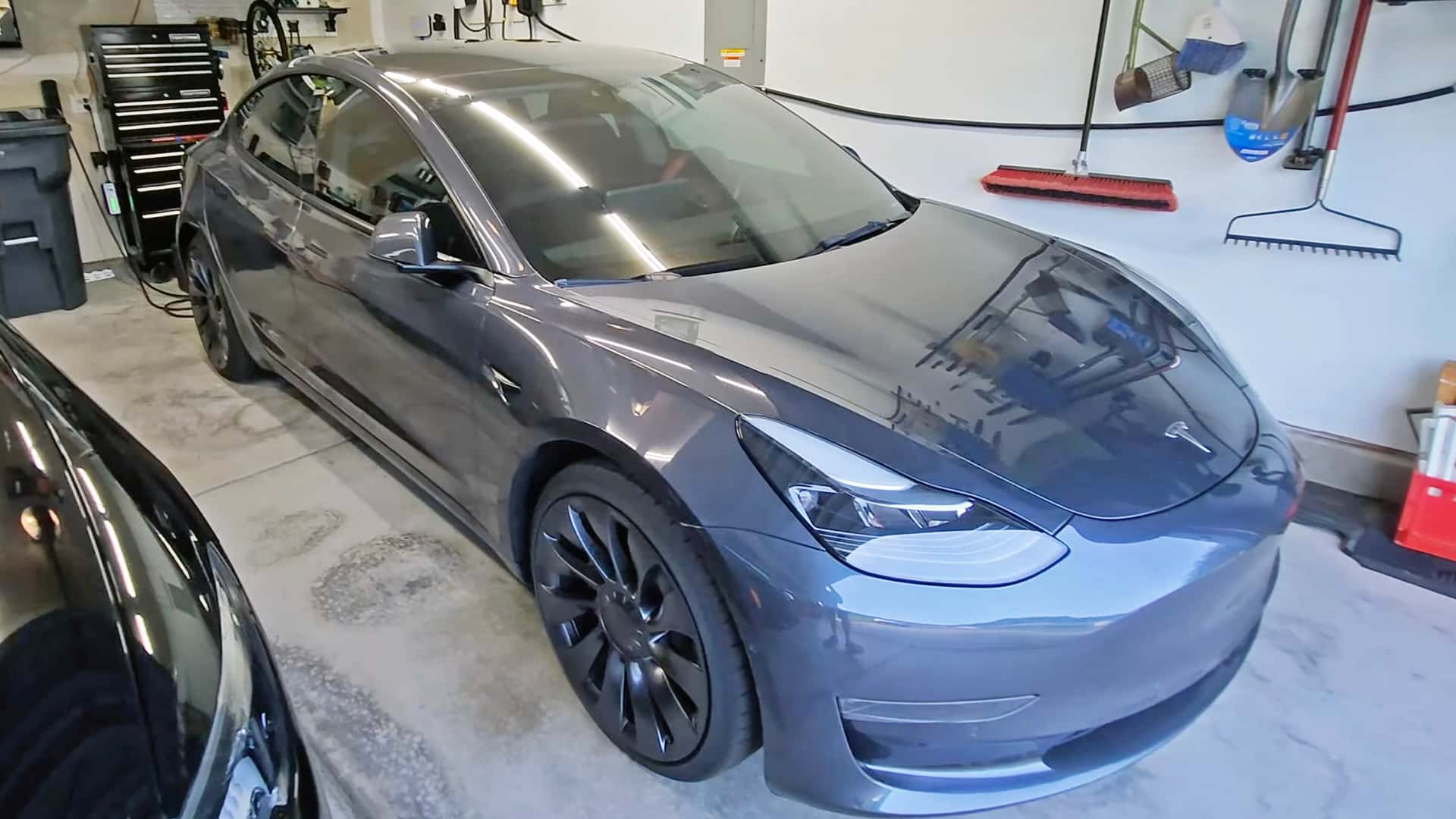
A third-party estimate suggested this Model 3’s battery health was 89%. Tesla’s own test said 88%.
The mostly home-charged Model 3 Performance still showed more degradation than its owner expected.
Its early life as a demo car may explain the lower-than-expected result.
Electric vehicle batteries age and naturally lose capacity over time, but how much they lose depends on a range of factors, leading to wide variations between two cars from the same year. Battery degradation occurs more quickly when the pack is new and then tapers as it ages. As a rough rule, a modern EV that is a few years old should still have about 90% of its original battery capacity, give or take, depending on how it was used and charged.
This can be higher in vehicles that never saw fast charging to 100%, or lower in vehicles that saw taxi use, which required them to be regularly DC-charged to full. But what if an EV led a hard life initially, when it was charged without regard for battery health and likely left sitting at a high state of charge before being handed to a new driver every few hours?