The idea of battery degradation is scary because most EV owners may not have a clear baseline of what normal looks like. Losing a few percentage points of battery health can send the internet into a frenzy, and suddenly everyone is convinced the battery is on its way out, turning the EV into an expensive, car-sized paperweight.
However, while there is no cut-and-dried formula for predicting EV battery degradation, there are general patterns that hold true in most cases. One of these seems to be that the rate of degradation is not linear. They tend to degrade more early on, then the rate of capacity loss starts to slow down.
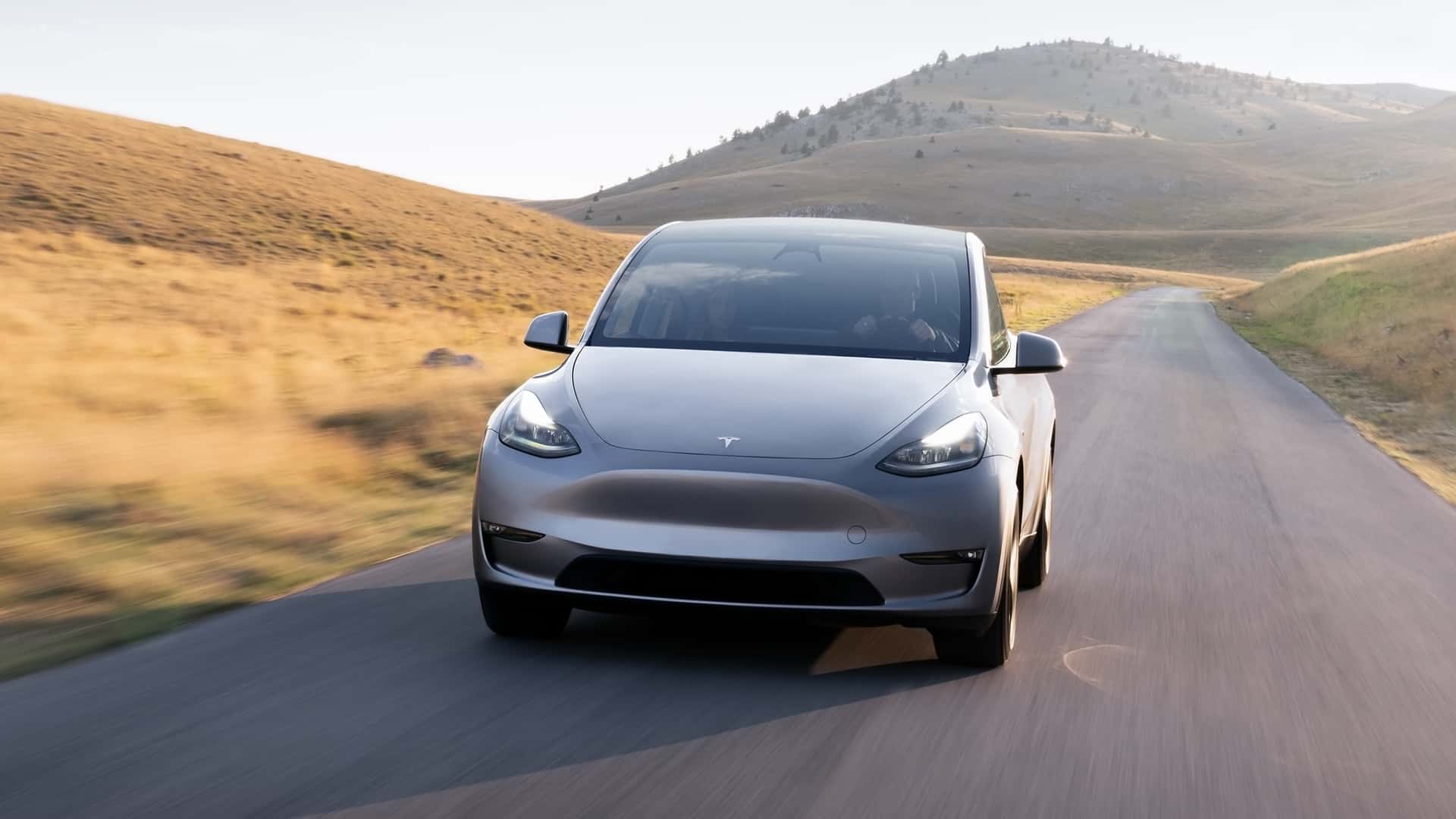
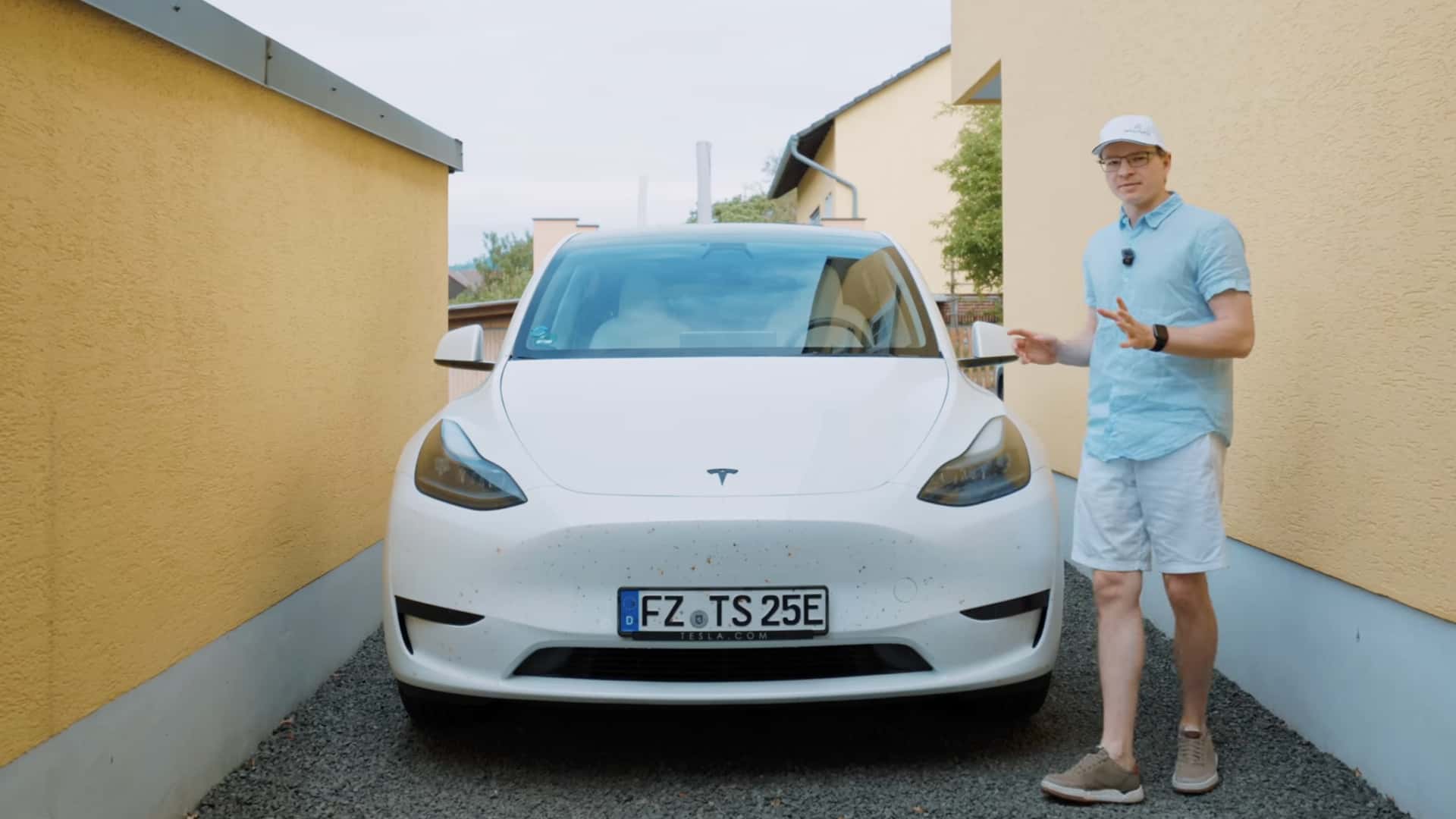
This was confirmed to me when I spoke to Voltest’s Davide Giacobbe, who drew from experience testing hundreds of high-mileage EVs, but there are also individual cases that seem to prove it. One is this three-year-old Tesla Model Y Standard Range, which has an LFP battery with cells supplied by CATL, with a capacity of around 60 kilowatt-hours.
Its current owner, Tom Scheiter from Germany, bought the Model Y about a year ago with around 34,000 miles (55,000 km) and had its battery tested. The result showed that 92% of the original capacity remained. Losing 8% capacity in two years is on the higher side of the degradation scale for an EV of this age, and it hints at the kind of life it had.