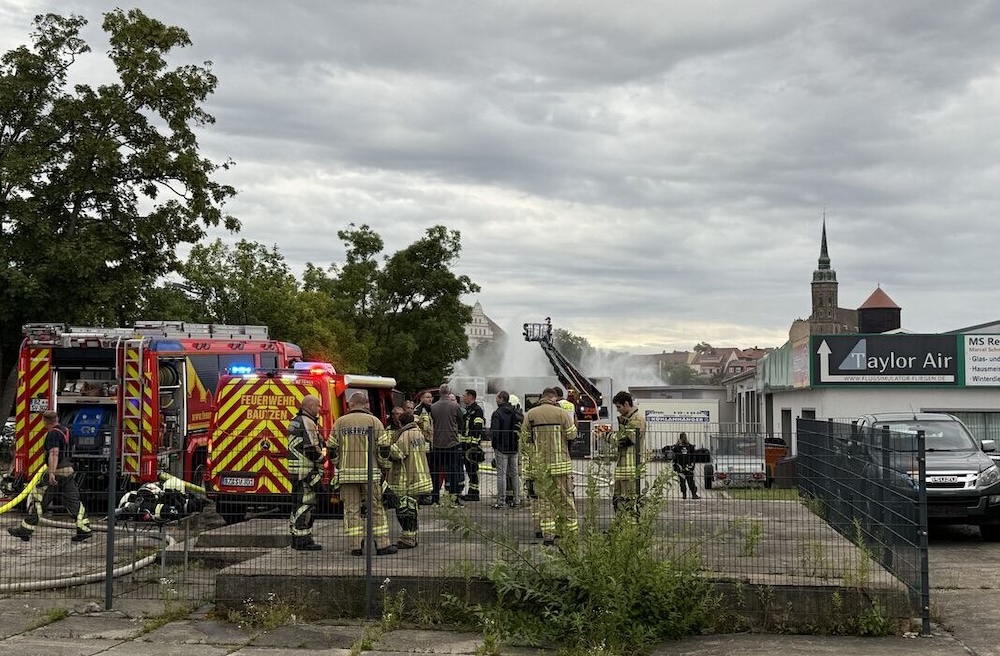
For example, the 300MW system at Moss Landing in California that caught fire and was destroyed is now considered a legacy project: it used the more volatile nickel manganese cobalt (NMC) lithium-ion (Li-ion) battery chemistry, and it was housed in a repurposed existing building that allowed fire to spread between battery containers.
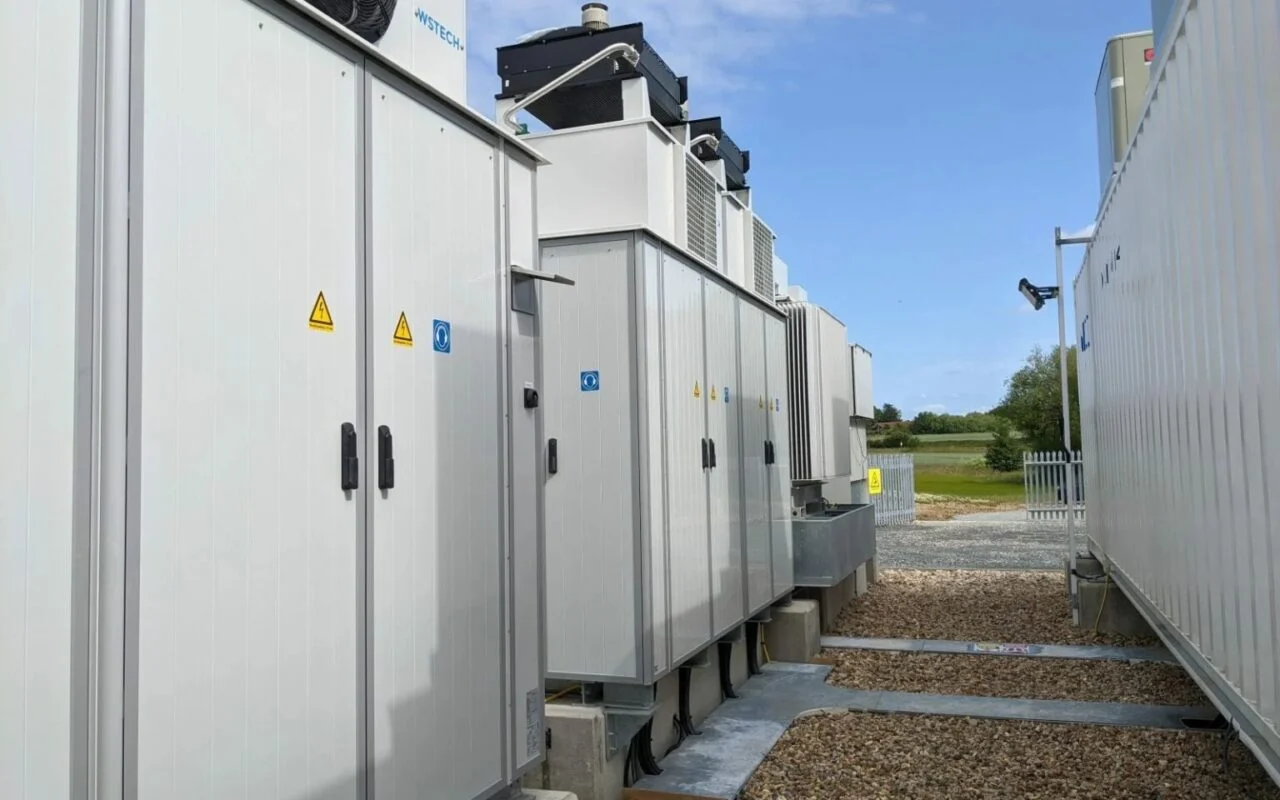
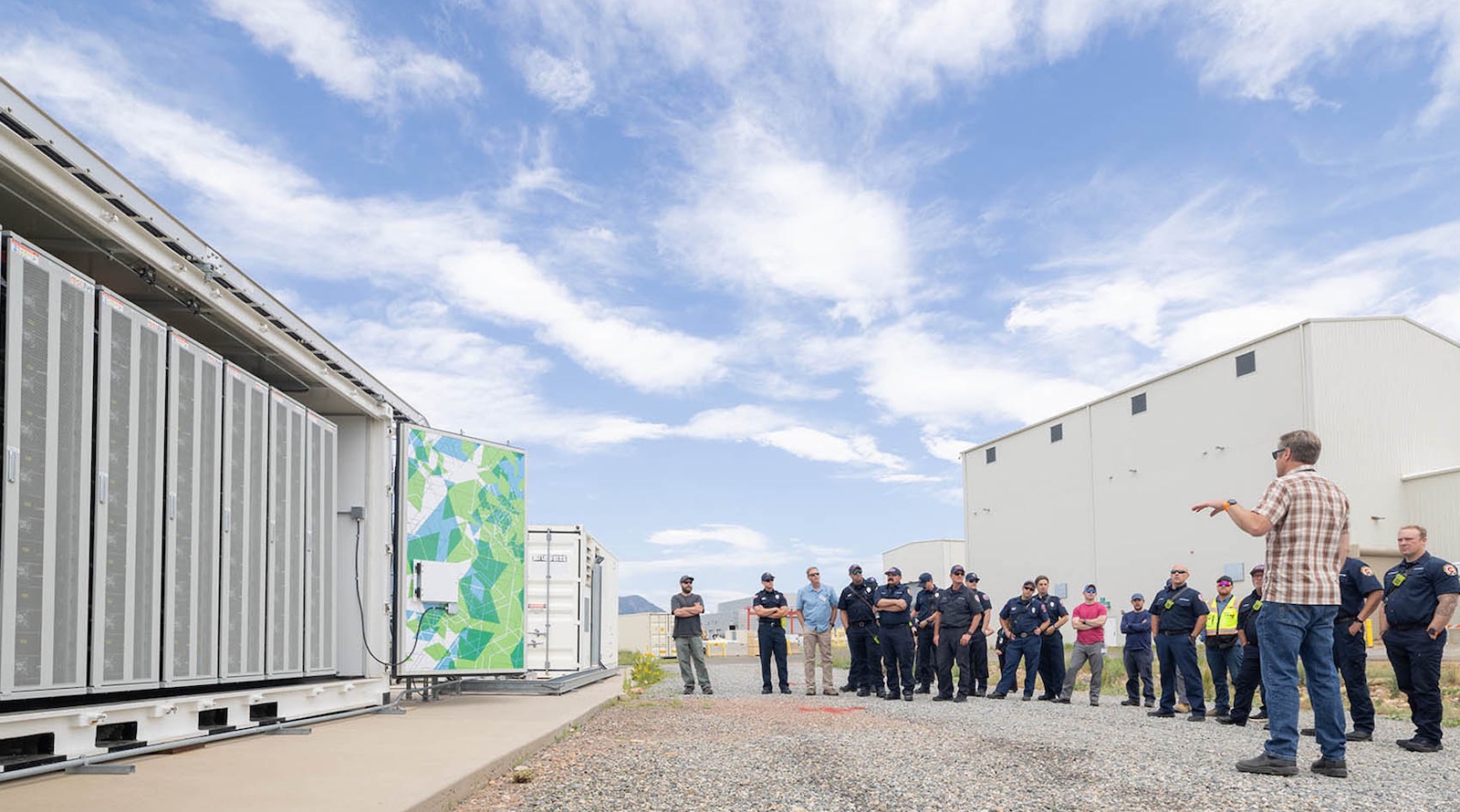
Today, nearly all grid-scale Li-ion systems use lithium iron phosphate (LFP) cells, which have a much higher tolerance to thermal and mechanical variations than NMC cells. BESS enclosures are also placed outdoors and designed so that even if a fire were to start inside a unit, the heat and flames do not propagate to neighbouring containers or other equipment.
However, as with any energy technology, fire risk cannot be eliminated entirely. It must therefore be mitigated and managed.
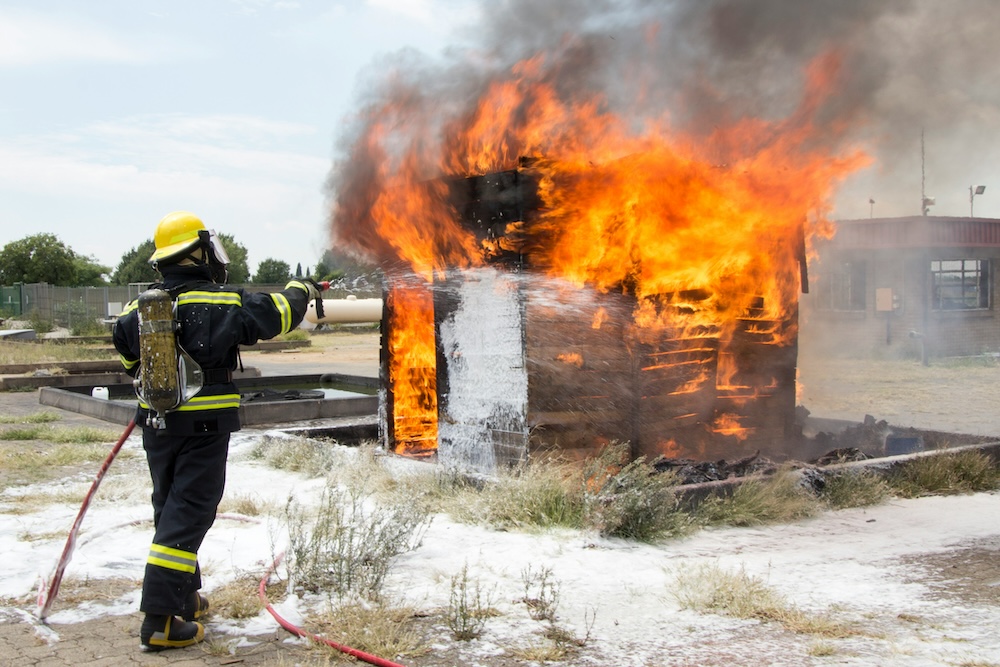
Indeed, codes and standards such as NFPA 855 and UL9540A now mandate large-scale fire testing (LSFT), in which a BESS unit is set on fire with all fire suppression systems disabled and allowed to burn out. Other BESS containers will typically be placed adjacent to the ignited unit at minimum clearance distances, giving a clear picture of what might happen in a worst-case scenario incident.