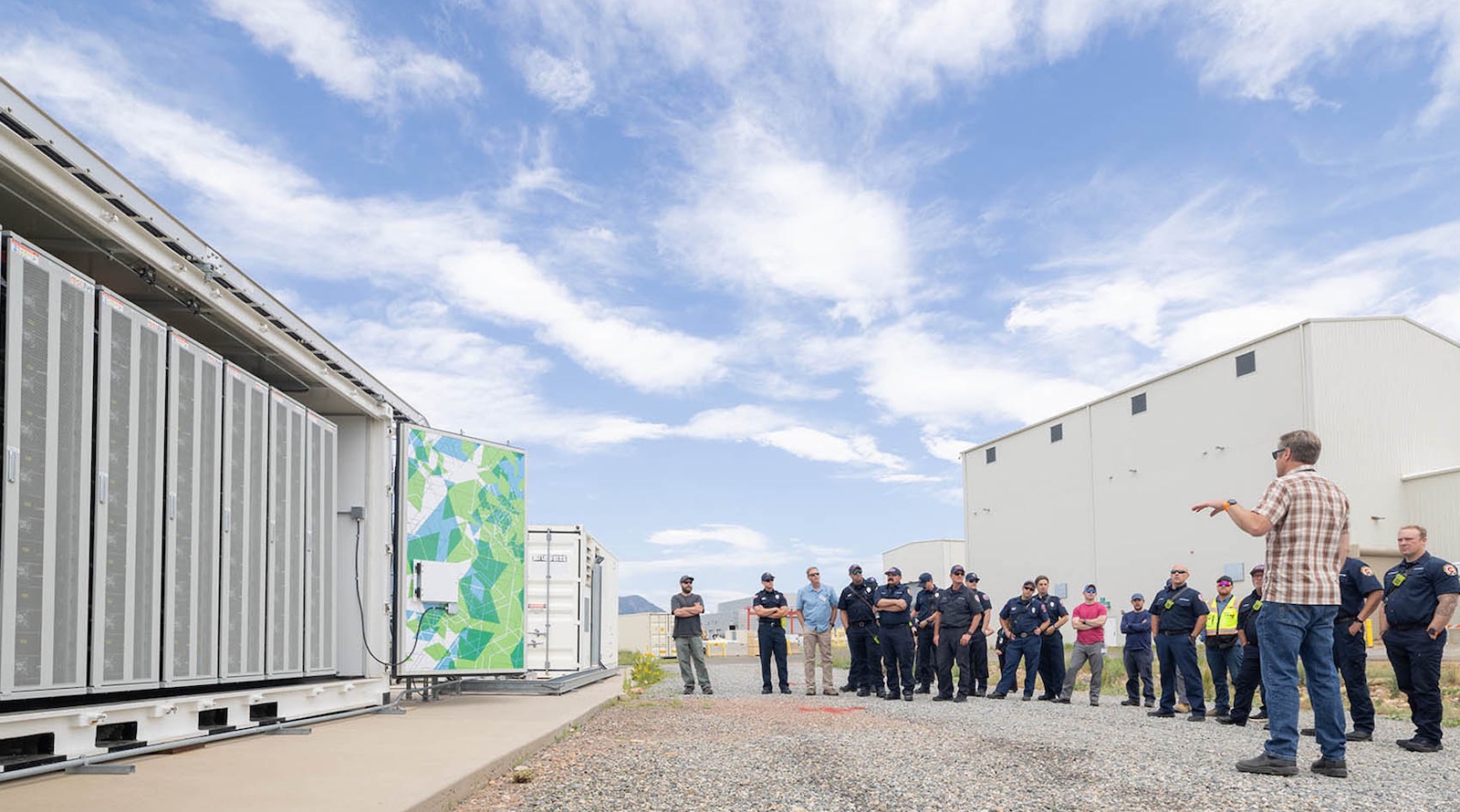
As part of NLR’s extensive work to improve battery safety, the Flatirons Campus recently hosted a battery energy storage system response training for local emergency responders. Photo by Joe DelNero, National Laboratory of the Rockies .
Support CleanTechnica's work through a Substack subscription, on Patreon, or on Stripe. Help us produce all of the high-quality, original content we publish week after week despite the challenges of content-scraping AI, antisocial media, inflation, and other hurdles.
Battery failures can escalate quickly: Heat accumulates, materials break down, and gases ignite in a chain reaction known as thermal runaway.
Such events are rare thanks to carefully applied safeguards in material design and battery management systems. Still, continued research is needed to anticipate how new battery materials behave, understand the failures that do occur, and translate those lessons into safer designs and incident-response strategies.
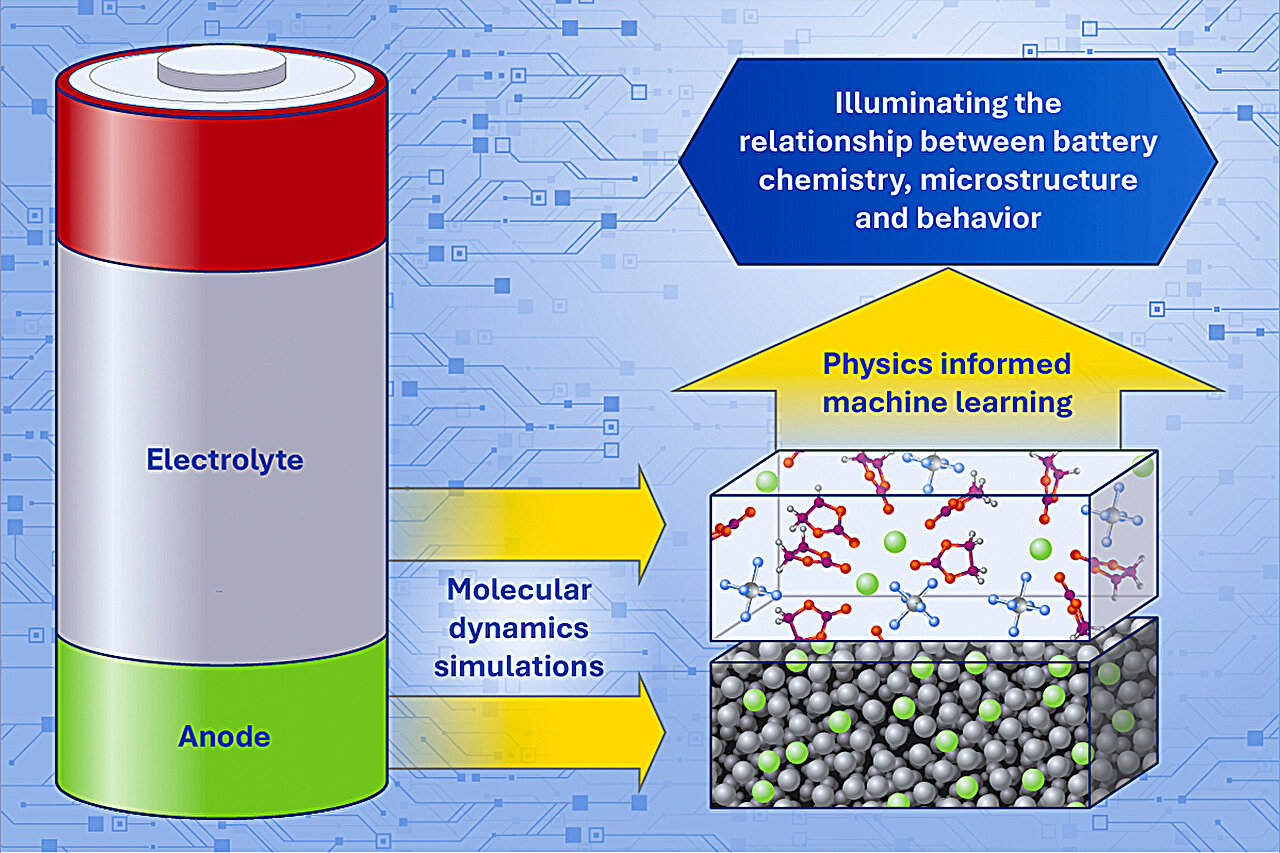
Preventing battery failures requires understanding risks at every stage of a battery’s life. At the U.S. Department of Energy’s (DOE’s) National Laboratory of the Rockies (NLR), researchers use advanced analytical techniques and real-world data—collaborating closely with industry experts—to deliver unique insights into battery safety spanning emerging chemistries and designs, field performance, and emergency response.