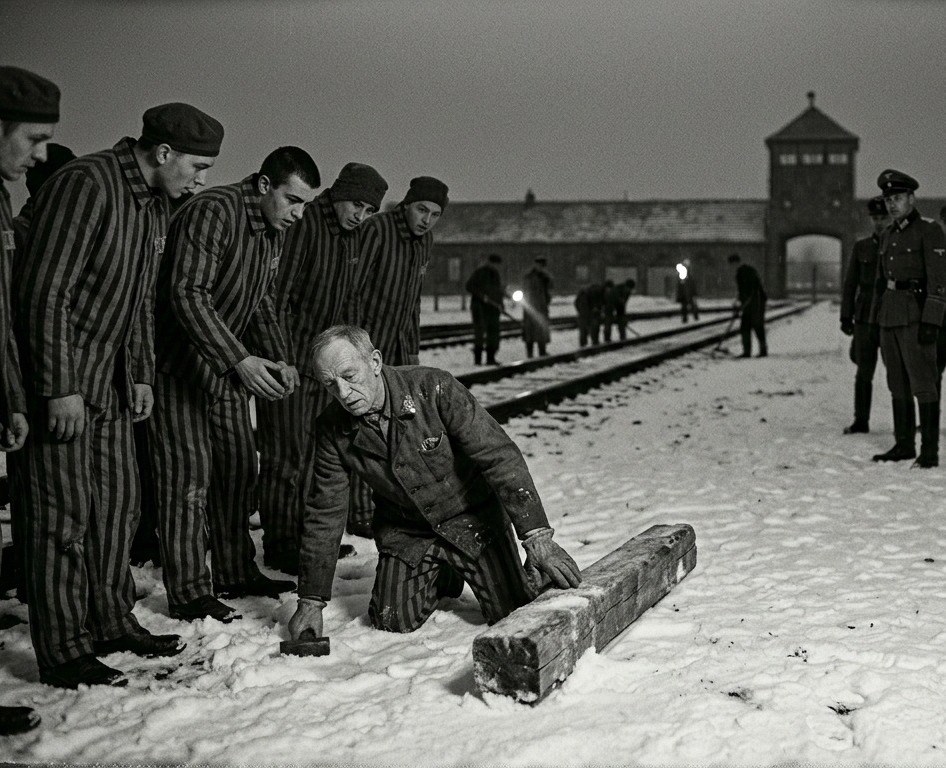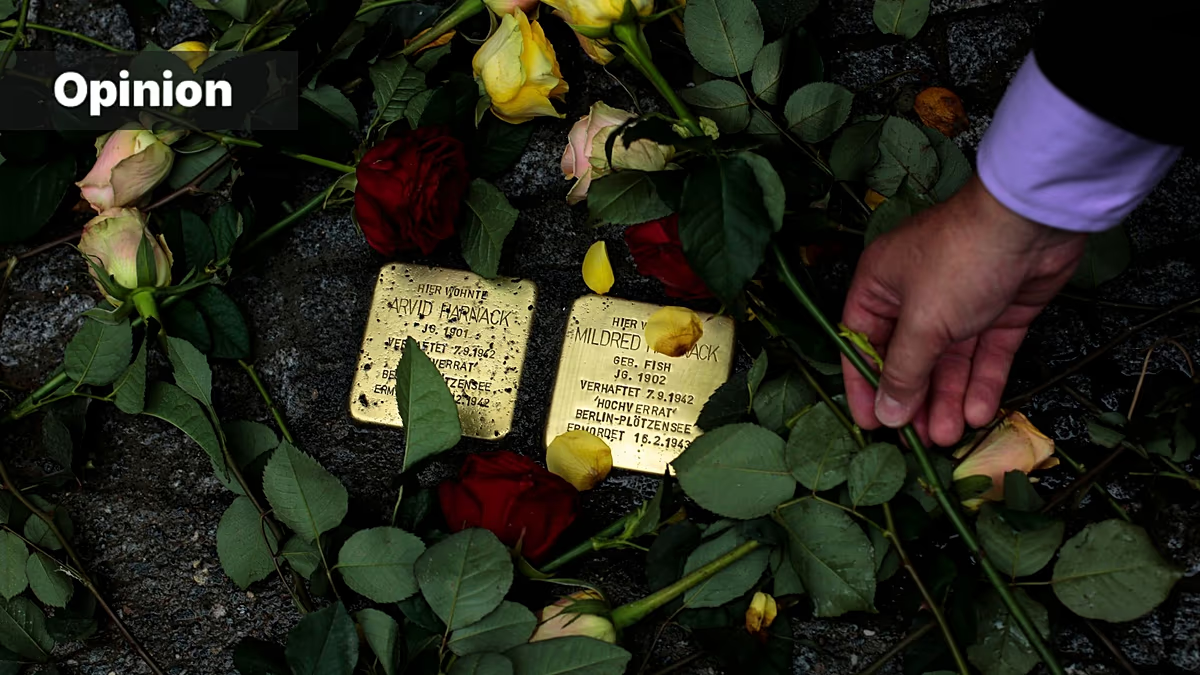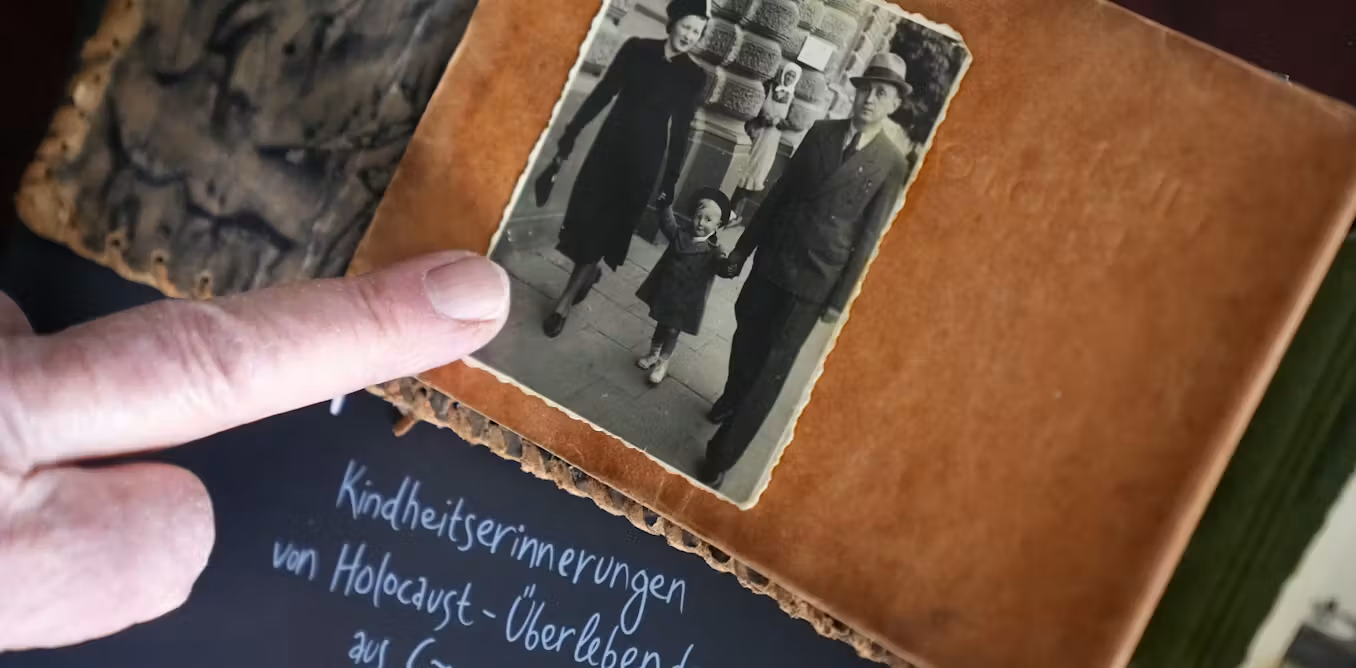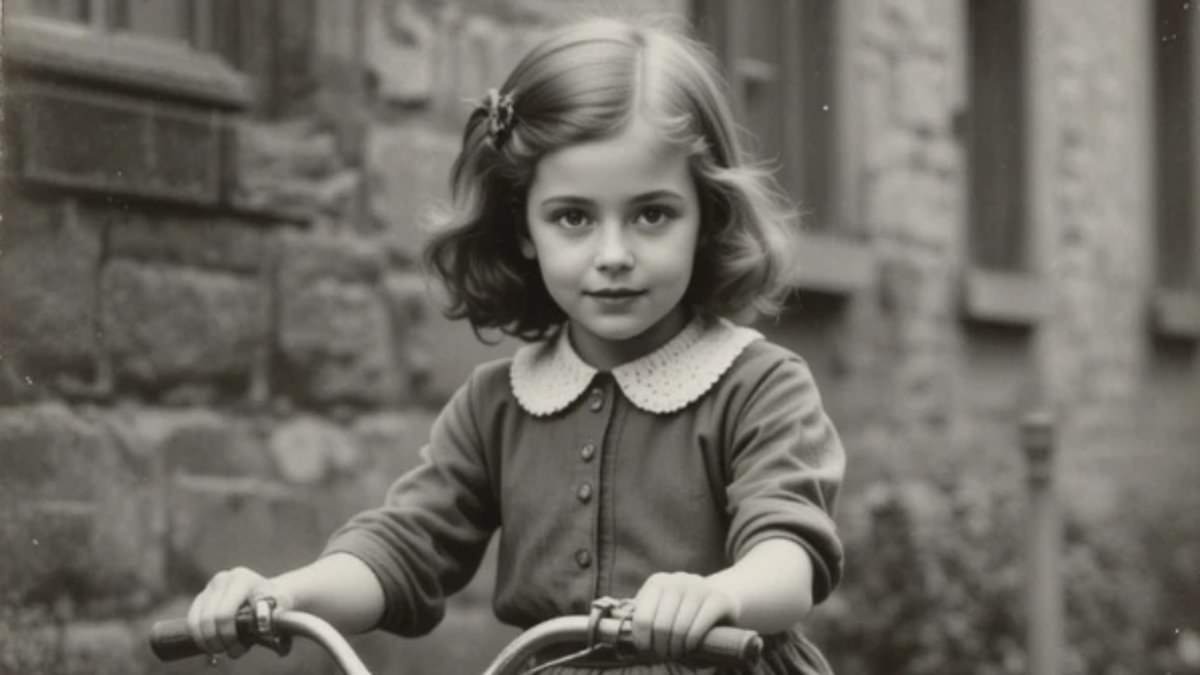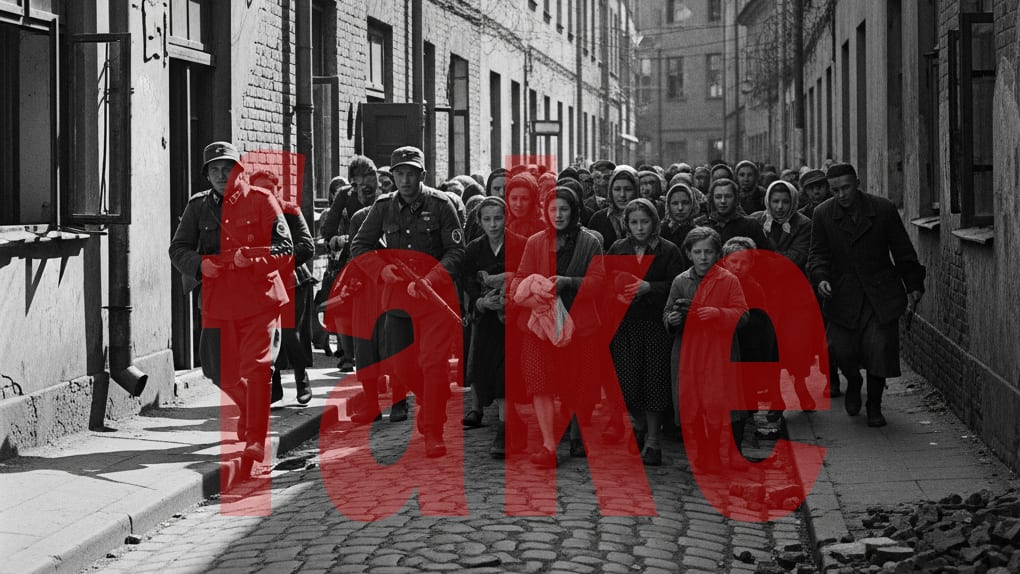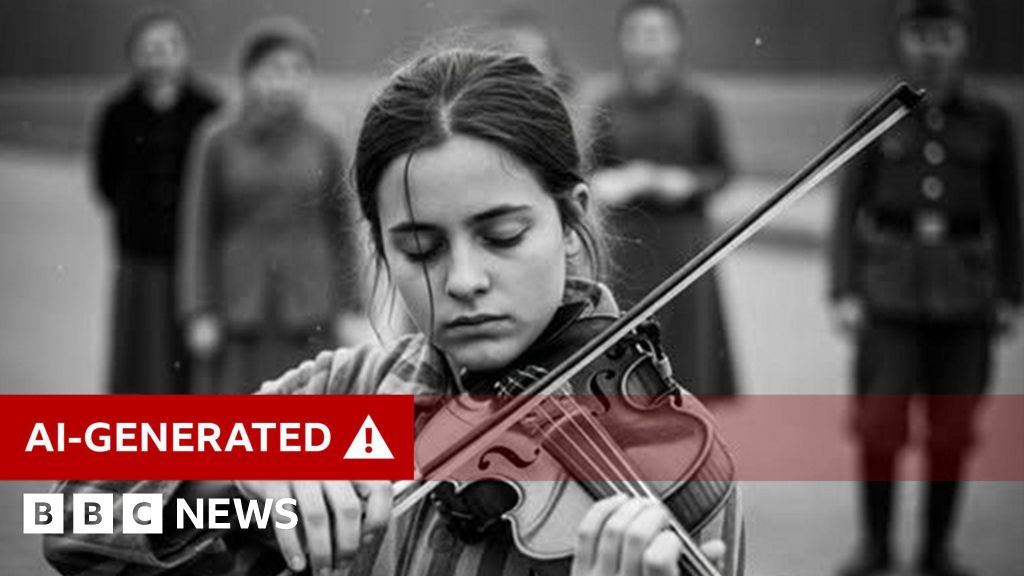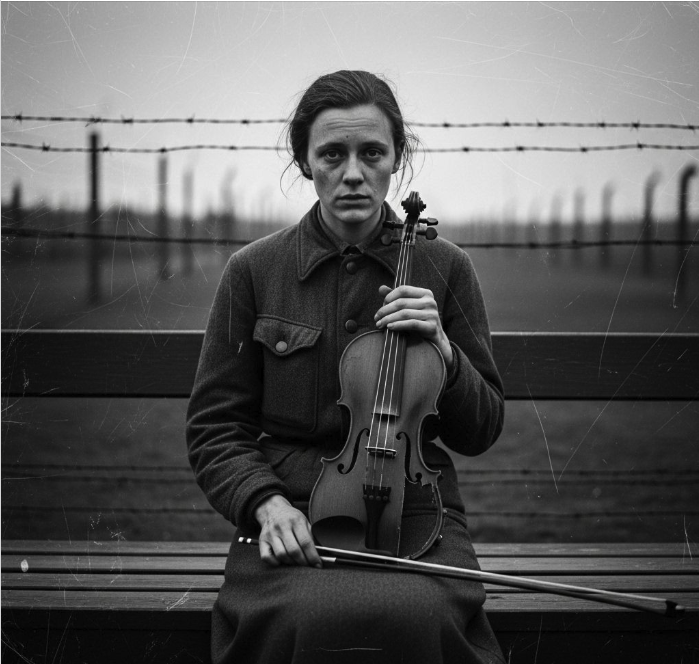
A story about a young violinist in Auschwitz recently spread widely on Facebook. Hana Kovác, users were told, had played in the camp orchestra before being murdered after refusing to perform during a Nazi selection.
But Hana never existed. The photographs were fake. The story was AI-generated fiction.
Over the past years, most of Europe has seen antisemitism re-emerge dramatically and in its most explicit and violent forms.
Yet alongside it, a more insidious trend is also taking hold: the growing normalisation of Holocaust distortion through fabricated imagery, misleading historical narratives and manipulated content.
The erosion of a shared understanding of historical facts does not only insult the memory of the victims and survivors, but also undermines democratic resilience and creates space for extremism to gain traction.