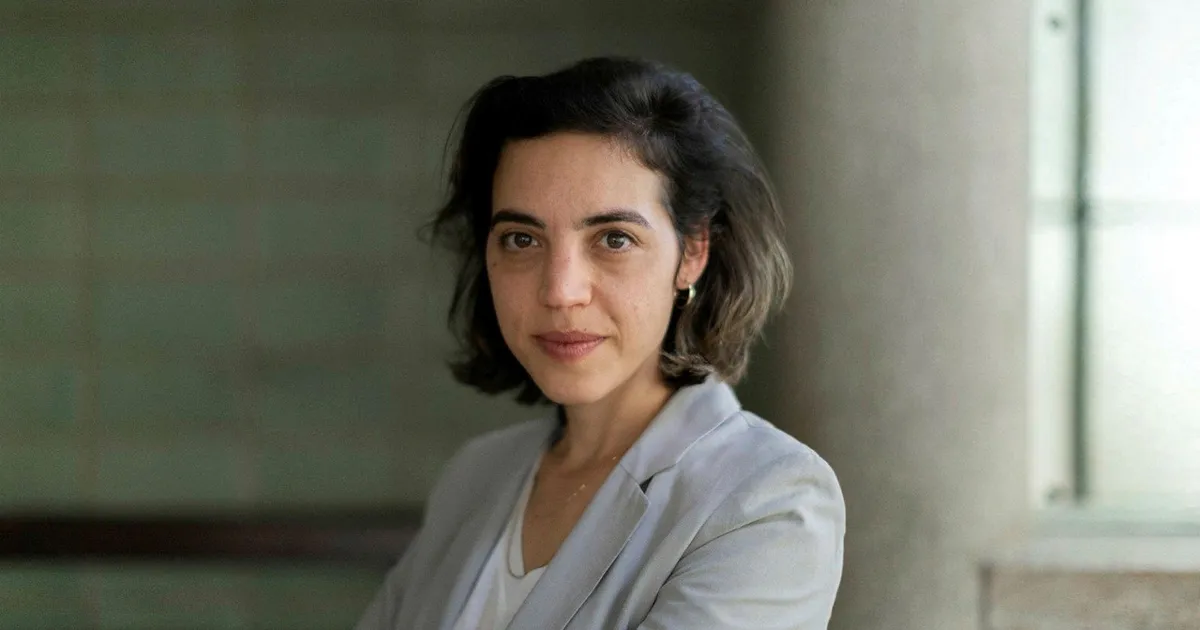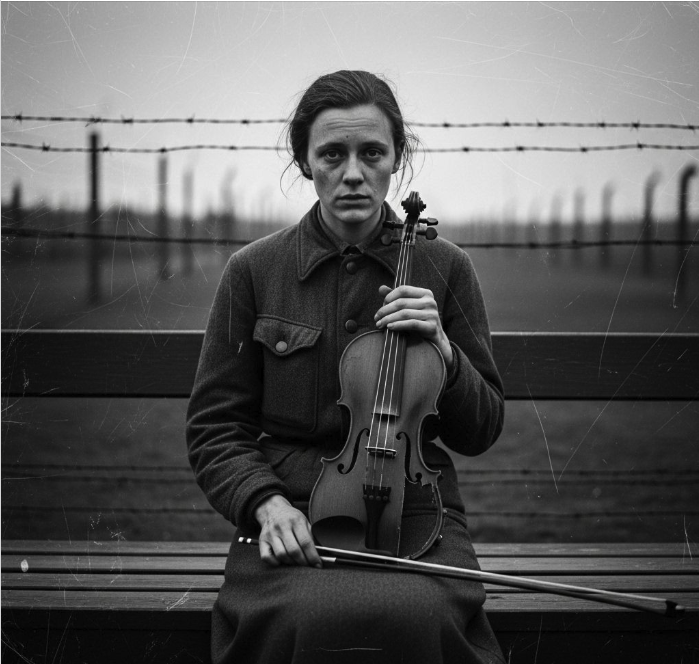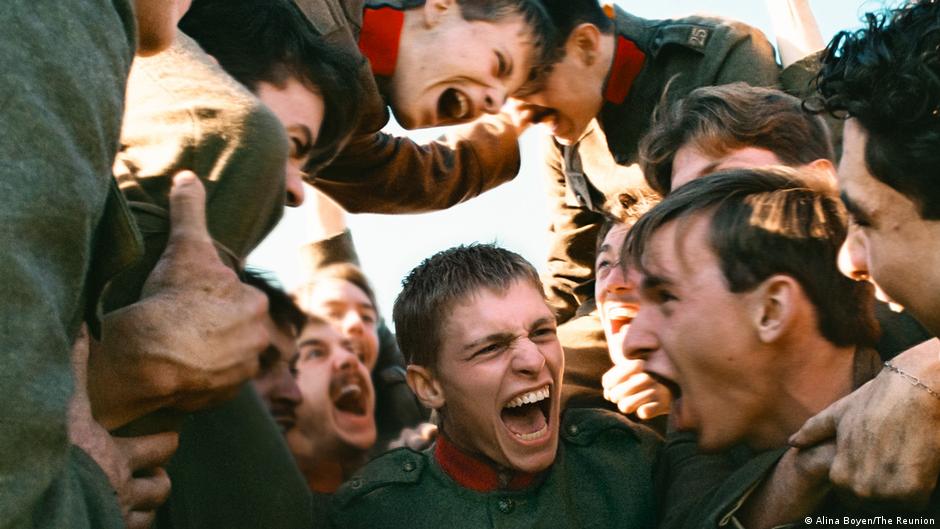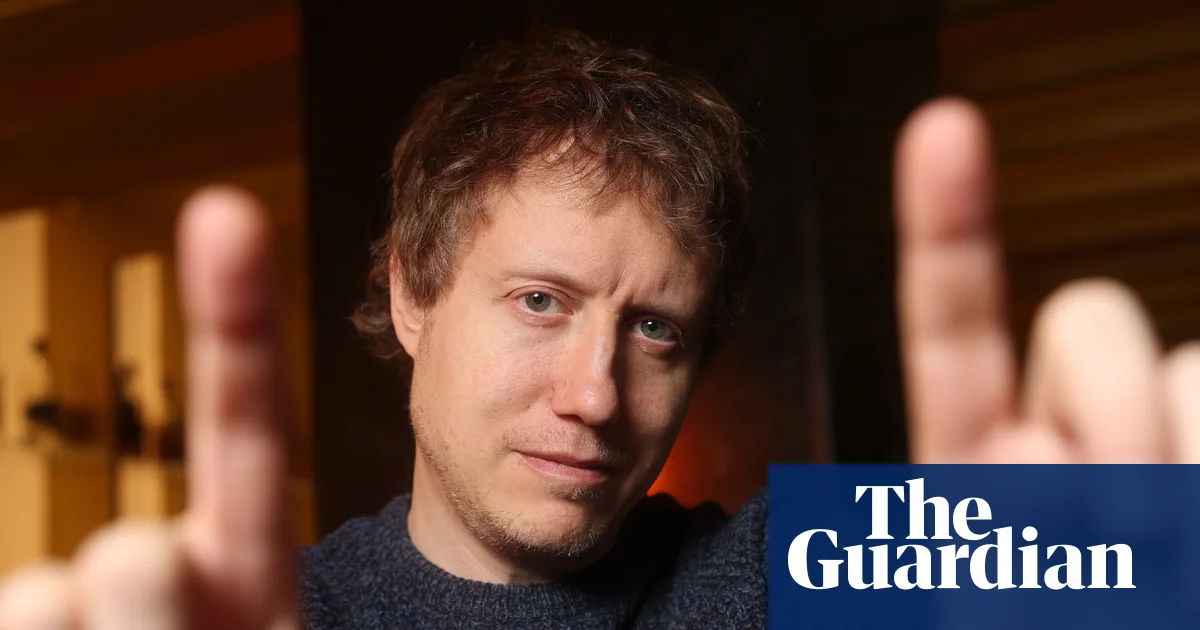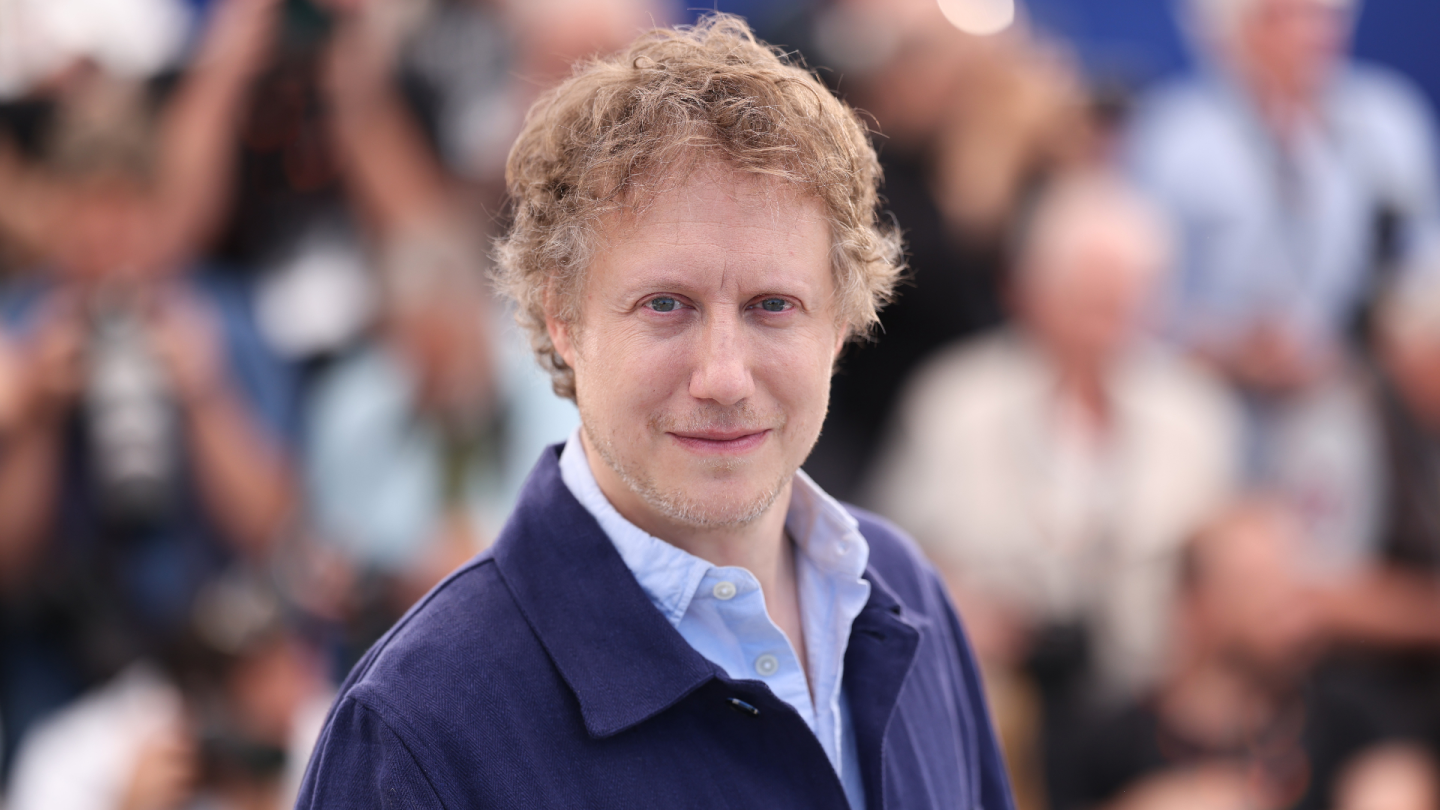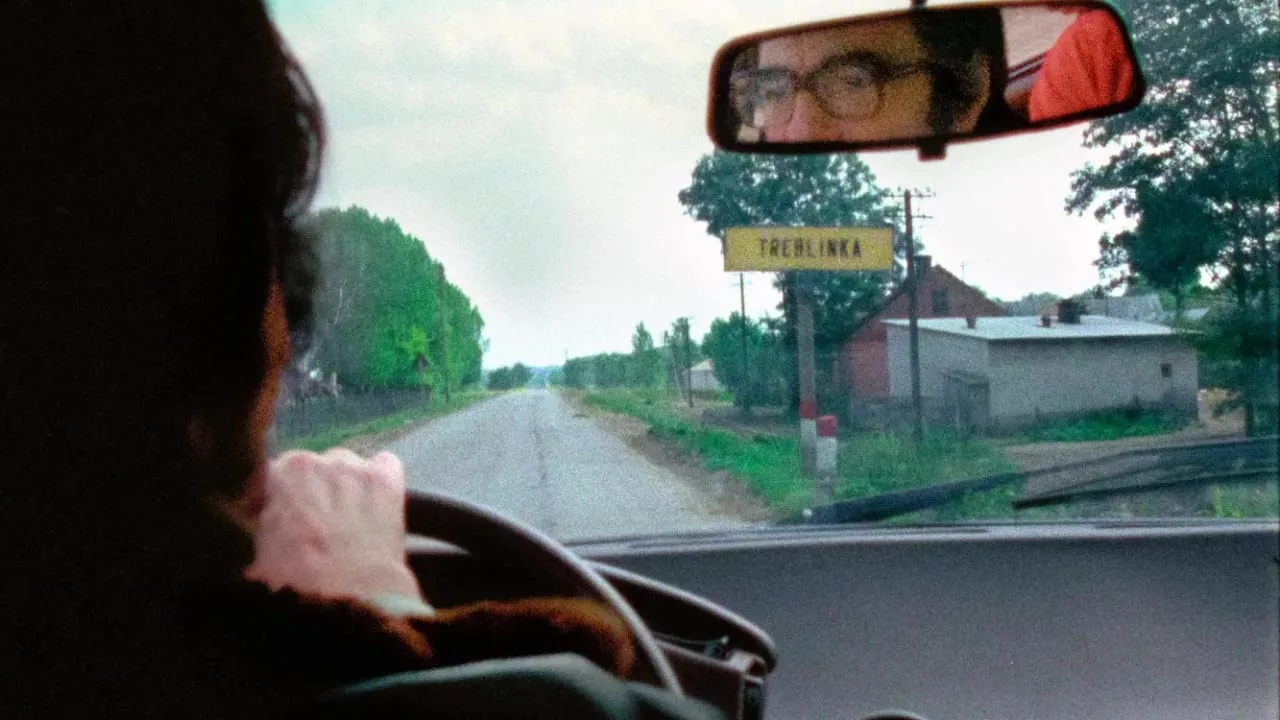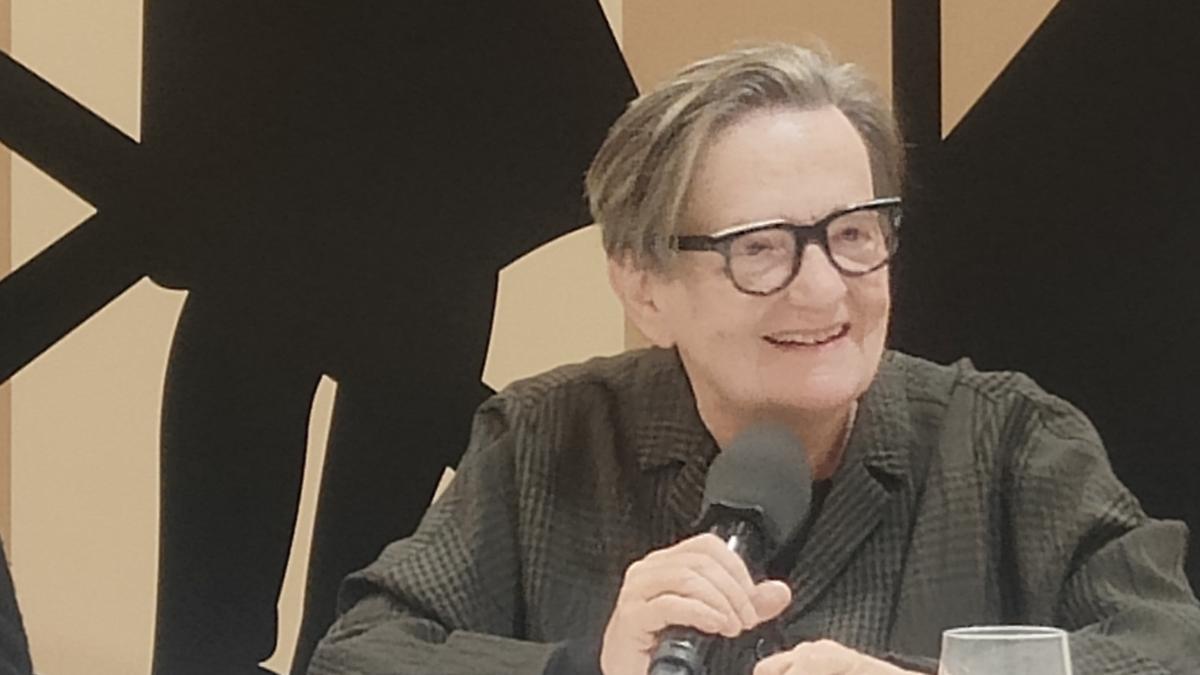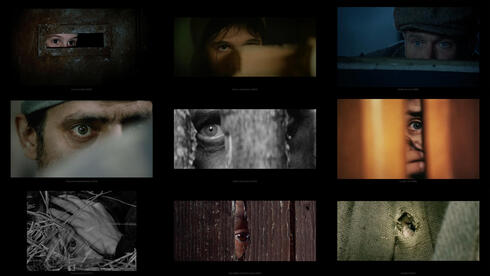
Michal Kosakowski has long gravitated toward dark subjects, especially the Holocaust; his sweeping new documentary Holofiction explores its portrayal on screen and will be shown at Docaviv 2026When Polish director Michal Kosakowski was a child, he was exposed on television to many images dealing with World War II in general and the Holocaust in particular. Since then, he has developed an obsession with the Holocaust, despite the fact that he is not Jewish."In Poland, images connected to the Holocaust were shown frequently, much more than in other places," he explained when we met at the Venice Film Festival. "They were all kinds of Eastern European productions, and because I saw so many films like that, I carry this trauma from childhood. In general, my approach to cinema is that I am interested in dark subjects, the dark human soul. For example, my two previous films dealt with the Sept. 11 attacks in New York."9 View gallery From Holofiction (Photo: Kosakowski Films)Holofiction trailer (Video: Kosakowski Films)Kosakowski, who lives and works in Berlin, said he watched the terrorist attack that brought down the towers on television. "I immediately thought of one shot from Roland Emmerich’s Godzilla, which came out in 1998. I said to myself, 'Wow, this is exactly the same.' Over the next five years, I began collecting images that raised the question: Did Hollywood predict this disaster? That is how the short film Just Like the Movies was born. Later I found the answer: Many of the people who filmed those images of the Twin Towers disaster live, on the scene, had in their subconscious the Hollywood images they knew from movies."His ambitious new documentary Holofiction shows how cinema has depicted the Holocaust. Over eight years, Kosakowski collected excerpts from more than 3,000 feature films and television series, creating a fascinating archive of the Holocaust’s visual memory, moving between iconic moments and clichés.9 View gallery Director Michal Kosakowski (Photo: Tom Wagner)"World War II is the most depicted event in the history of cinema," Kosakowski says. "Many films on the subject have also come out recently. Why is it the most depicted? Because the event is so well known, and there are so many stories to tell. That war provides an inexhaustible source of stories. If you look at the number of people killed, each person has a story. The event was enormous, and what the Nazis did was a vast, systematic atrocity."Holofiction, produced by Kosakowski’s wife, Uli Aigner, premiered at the Venice Film Festival and is now coming to Docaviv 2026, which opens this week at the Tel Aviv Cinematheque. Kosakowski will attend the film’s screenings in Israel, on Thursday at 6 p.m. and Sunday at 10 a.m., and it is worth taking the opportunity to meet him. The film will later be broadcast on HOT8.9 View gallery From Holofiction (Photo: Kosakowski Films)How did the process of selecting and working with the film clips unfold?
'October 7 was an act of Nazism': Polish director takes on Holocaust cinema
Michal Kosakowski has long gravitated toward dark subjects, especially the Holocaust; his sweeping new documentary Holofiction explores its portrayal on screen and will be shown at Docaviv 2026
1,956 words~9 min read