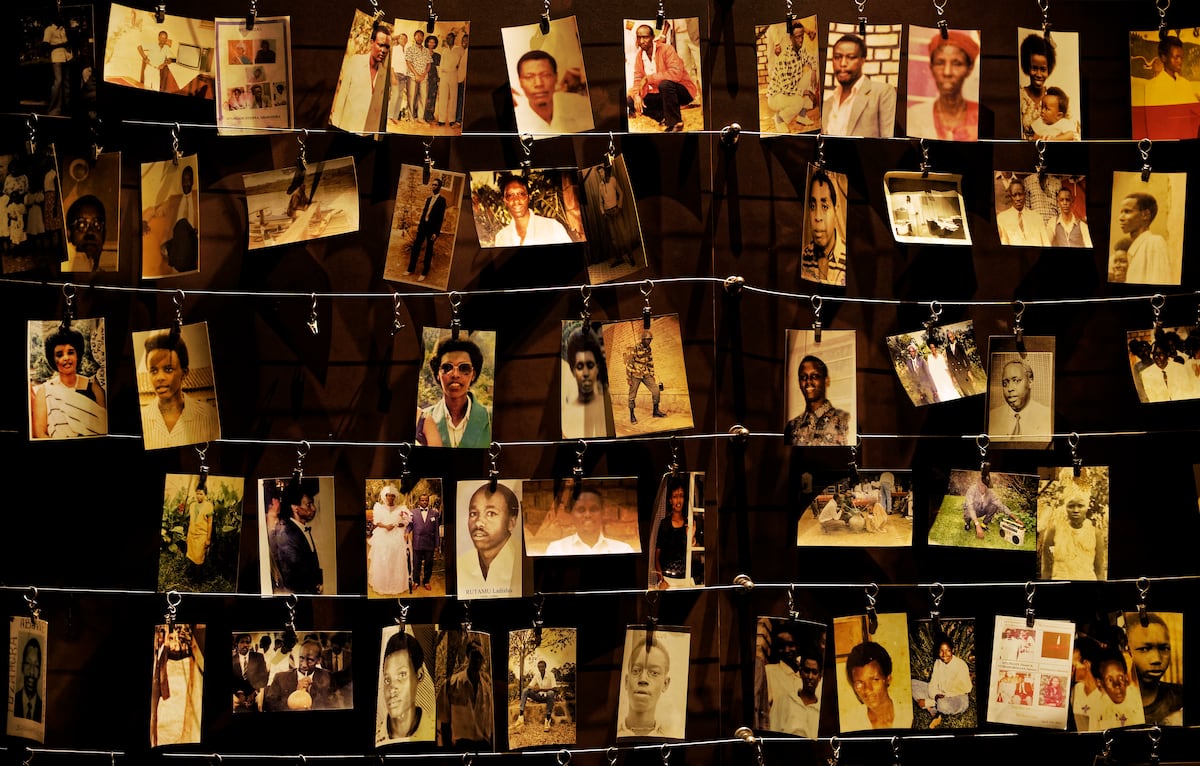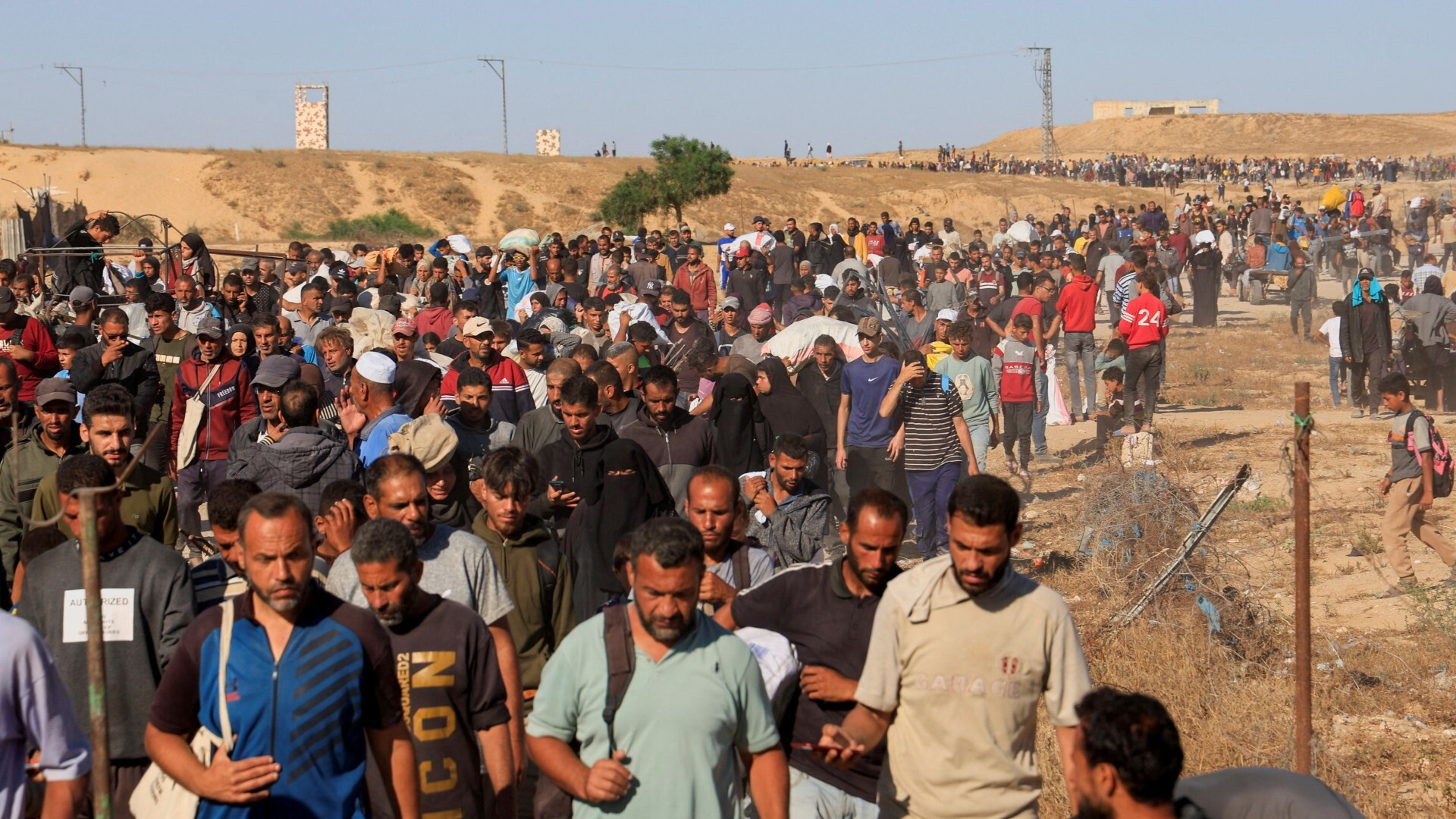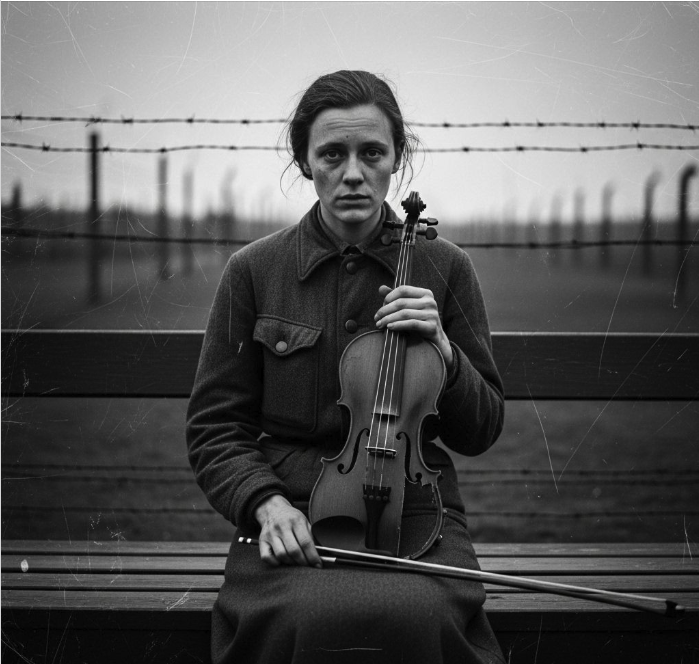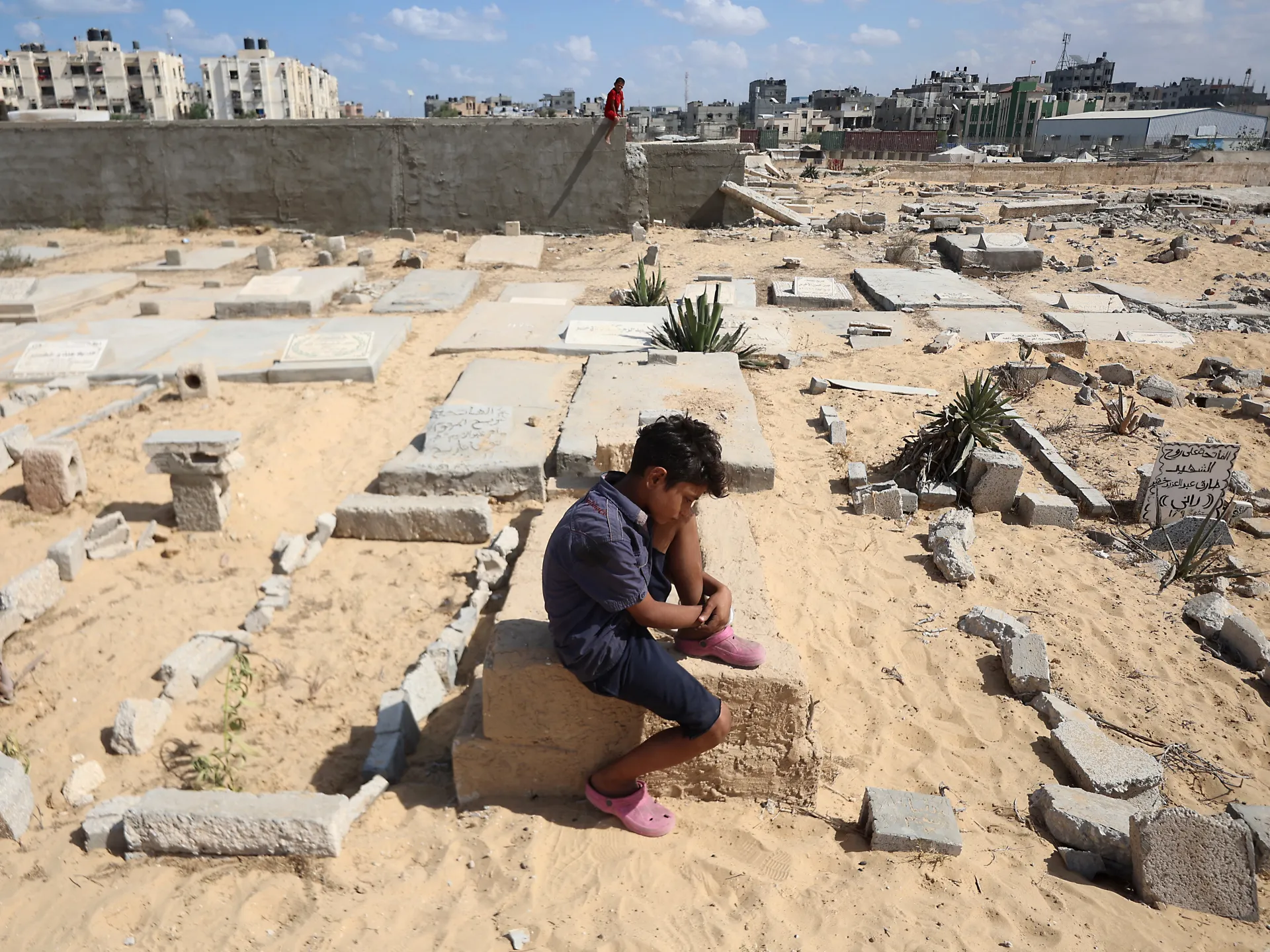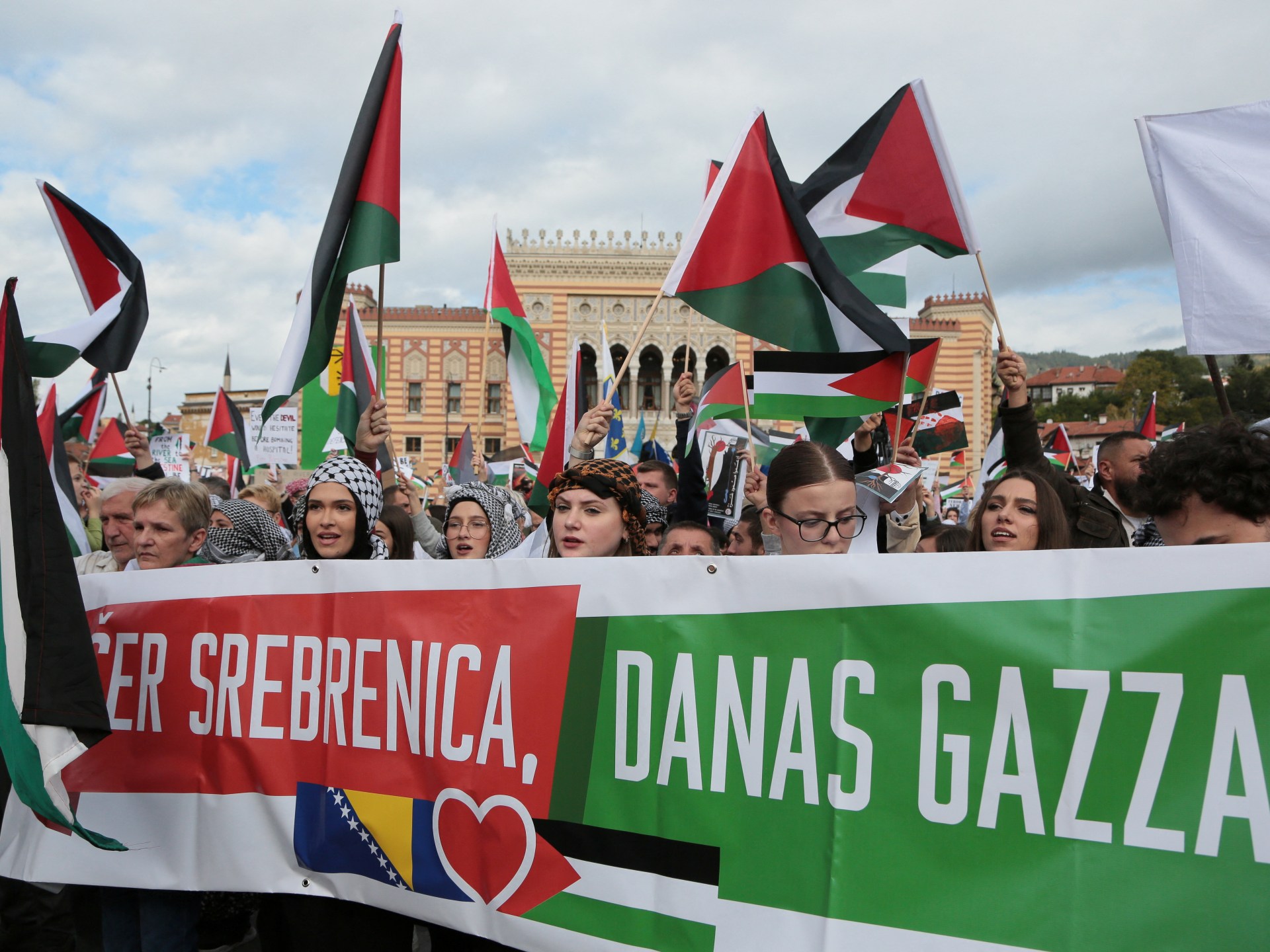
The genocide denial and Holocaust revisionism raging in Europe all point to the normalisation of genocidal violence.
On April 15, Austrian Nobel laureate Peter Handke was supposed to appear on Austria’s national broadcaster ORF to talk about his new writings. Instead, he proceeded to once again deny that the Srebrenica genocide happened, calling it Brudermord – biblical fratricide and framing it as a spiritual tragedy rather than a crime against humanity.
ORF stood by its decision to interview Handke when it faced criticism. It claimed that it had done nothing wrong since the interviewer acknowledged the genocide in a question.
That a European broadcaster would choose to platform genocide denial at this time is hardly surprising.
Europe faces a crisis not only of memory but of dangerous continuity. From the Holocaust to Srebrenica to Gaza, denial of state violence against marginalised groups seeks to erase past atrocities, normalise present ones, and pave the way for future ones.