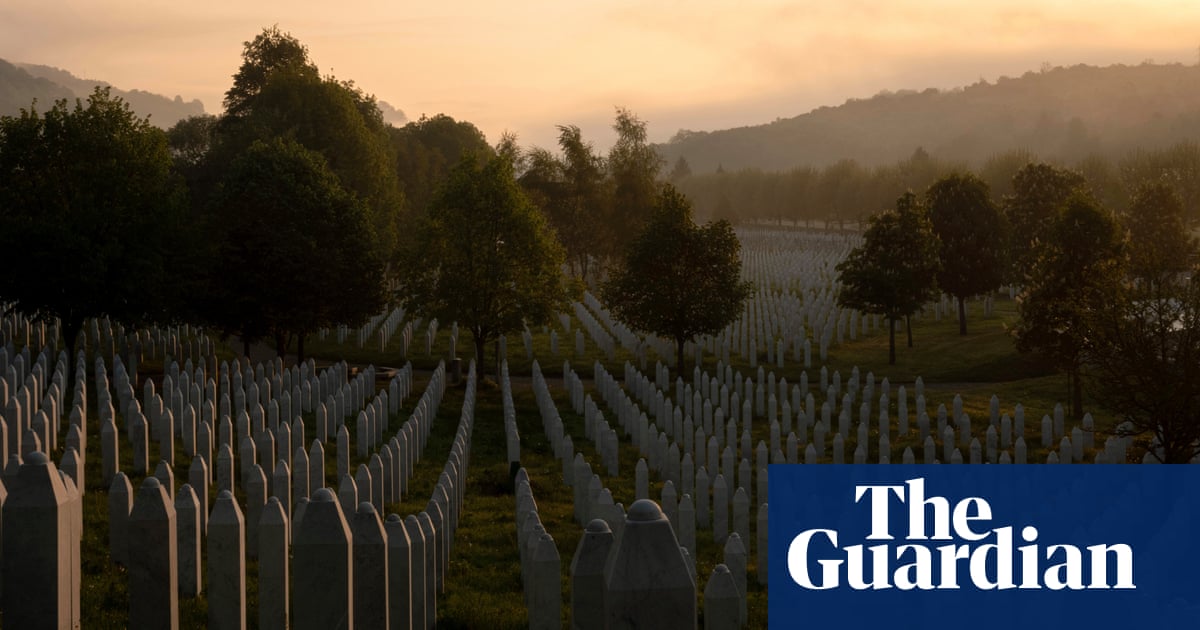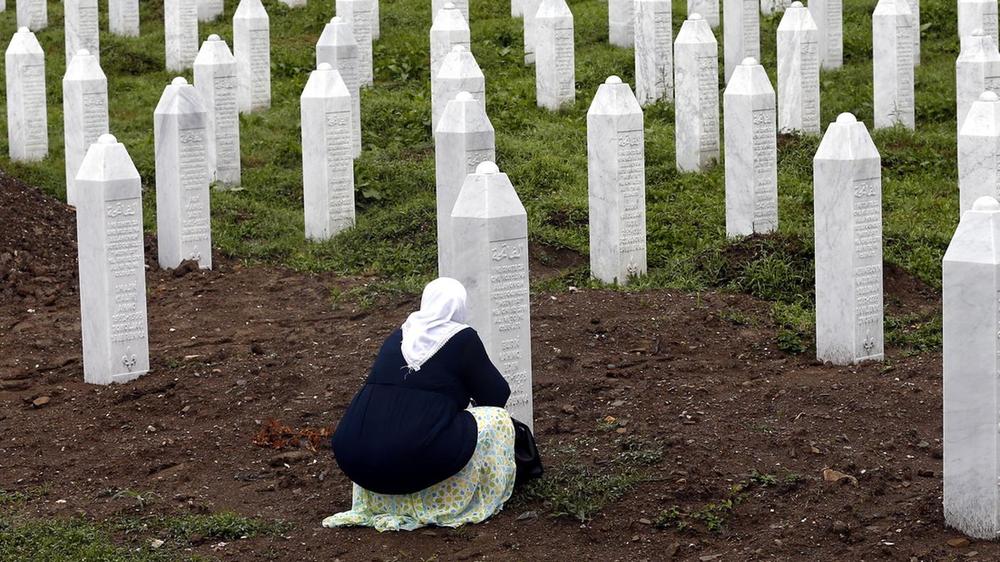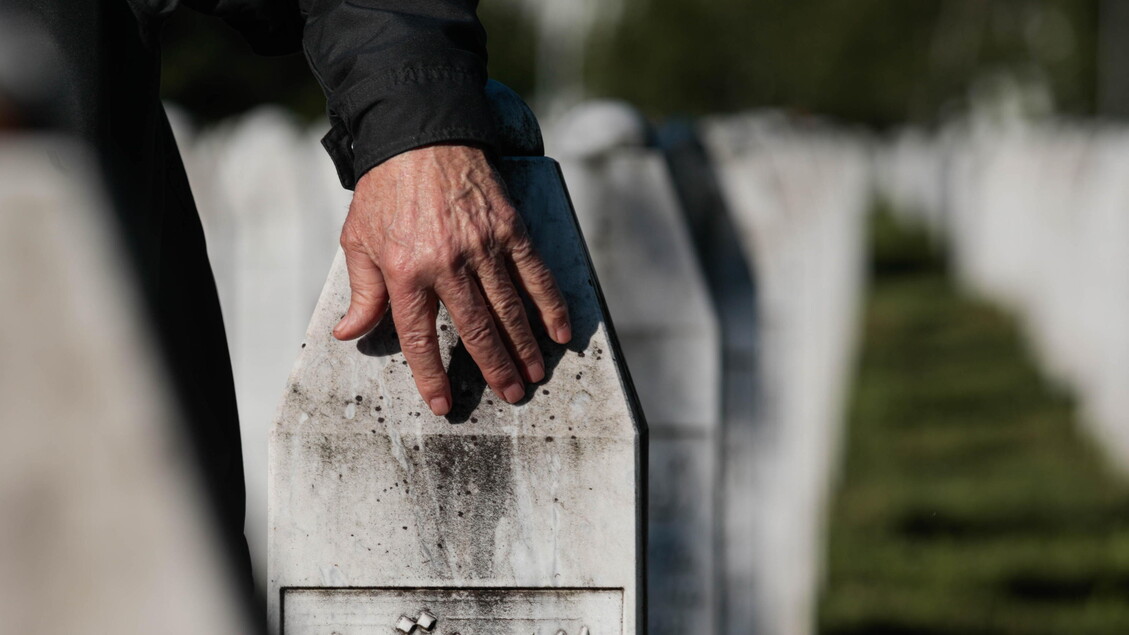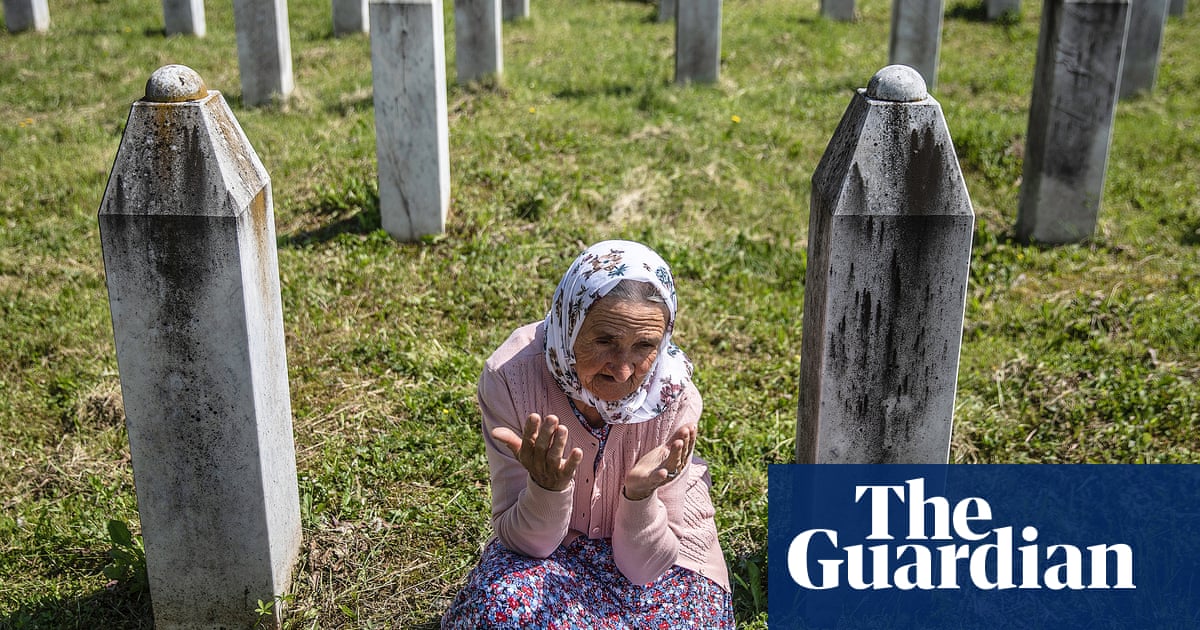
Three decades on, as leaders deny what happened, remains of the thousands killed continue to be identified and buried
T
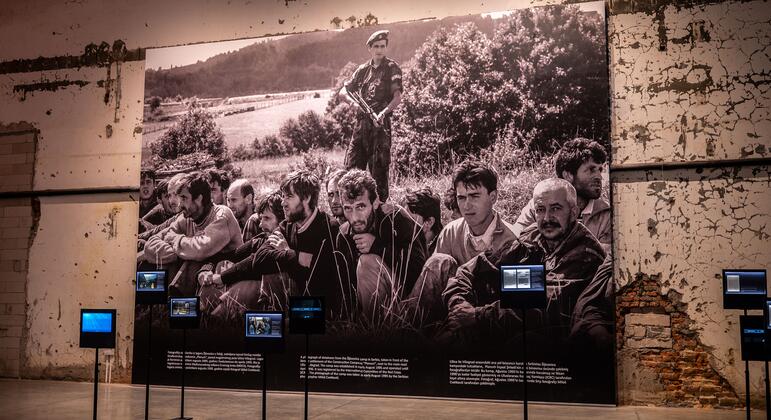
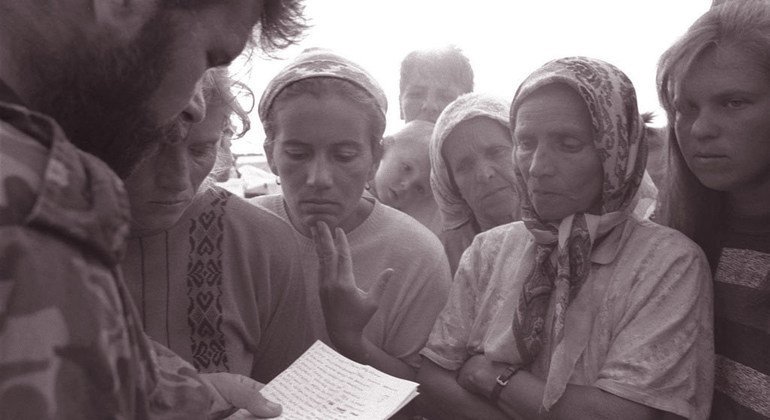
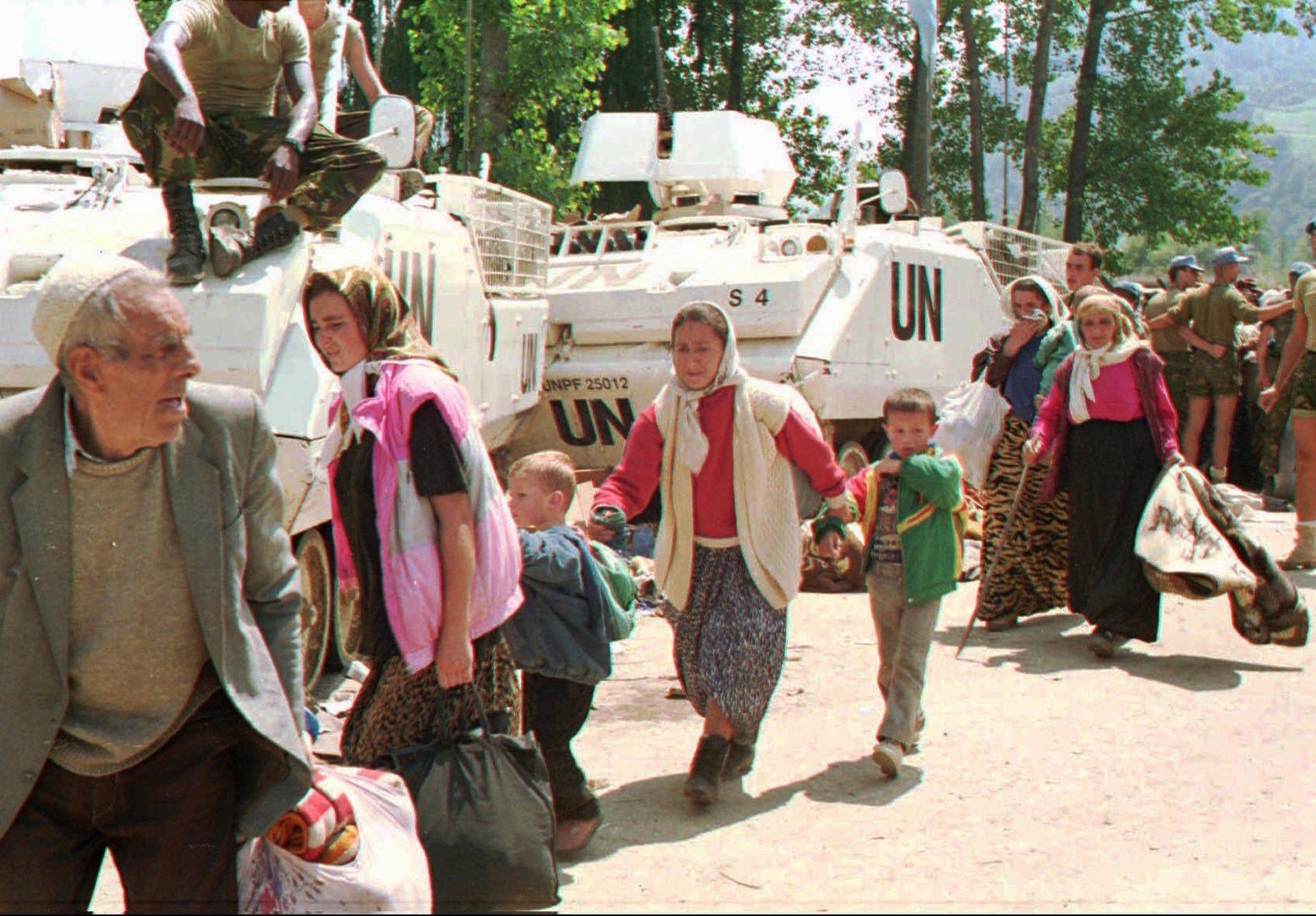
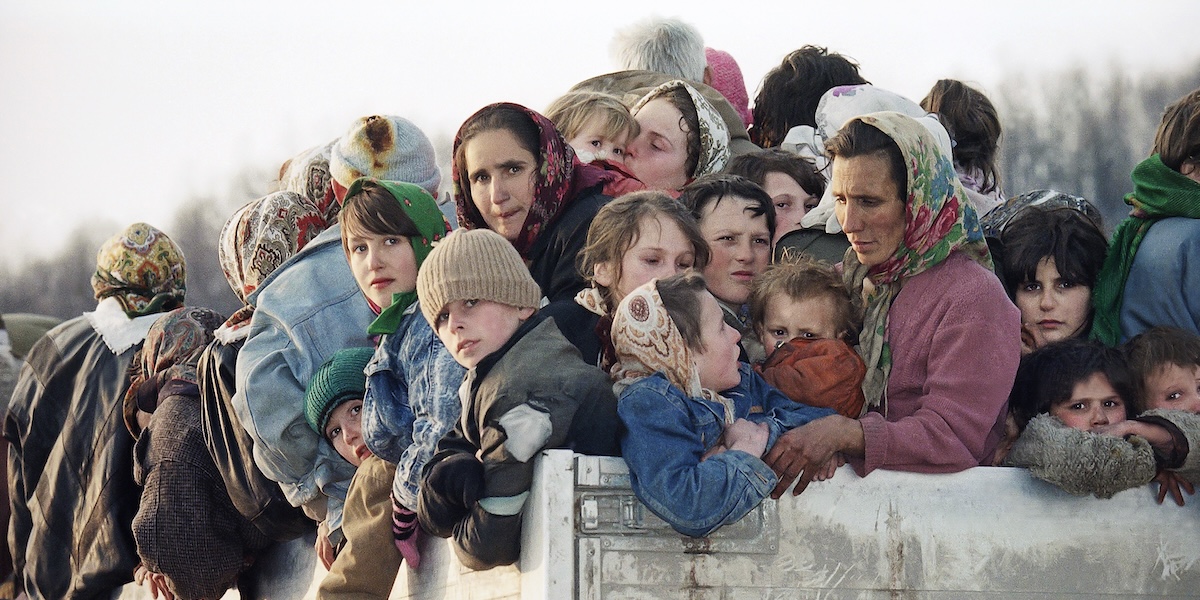
hree decades after genocide was committed in the middle of Europe, memories in the rest of world are beginning to fade, helped along by a relentless effort by the perpetrators and their allies to cover up evidence. But the sprawling murder scene in the hills and fields around Srebrenica continues to cough up its bones.
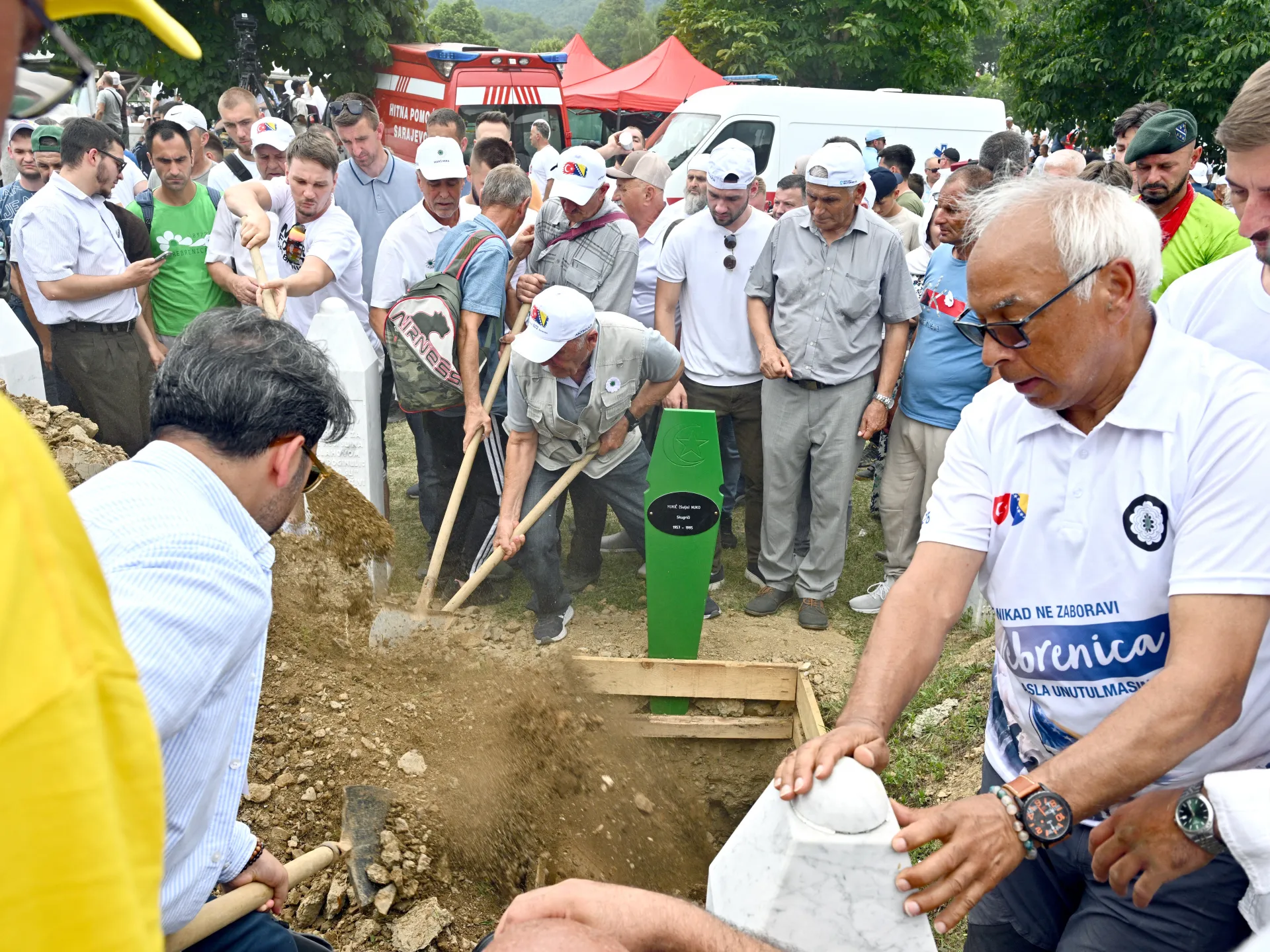
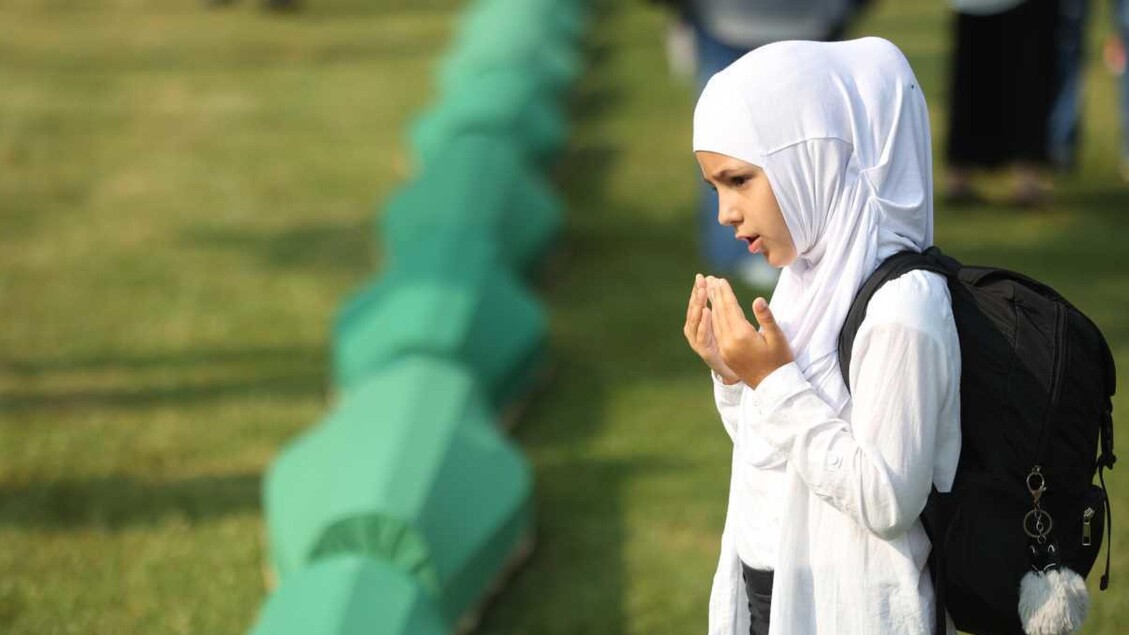
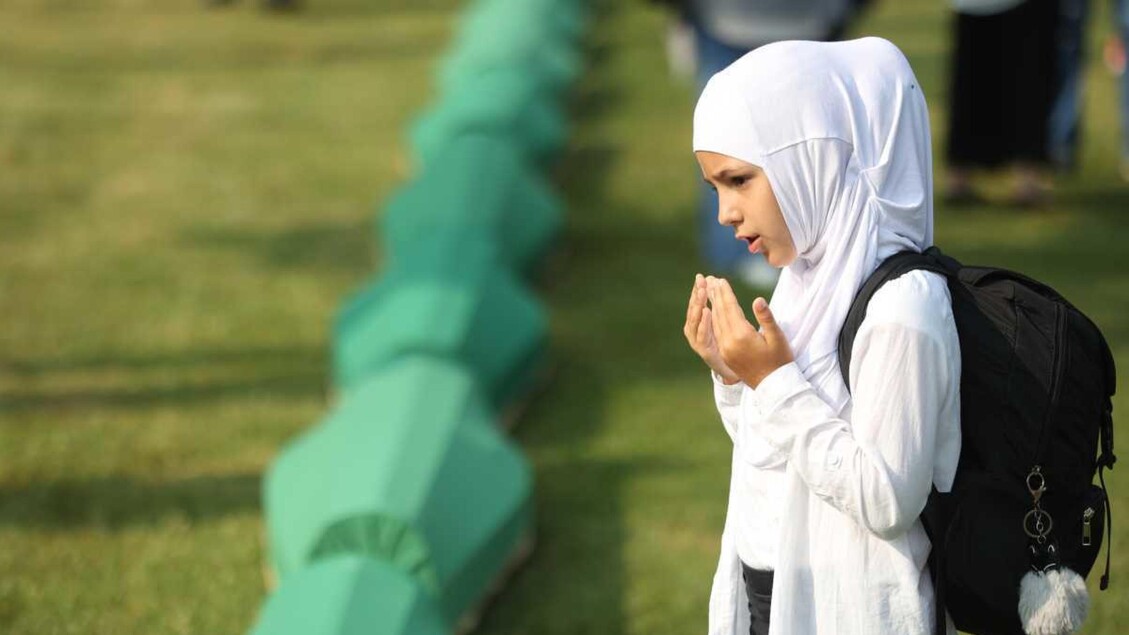
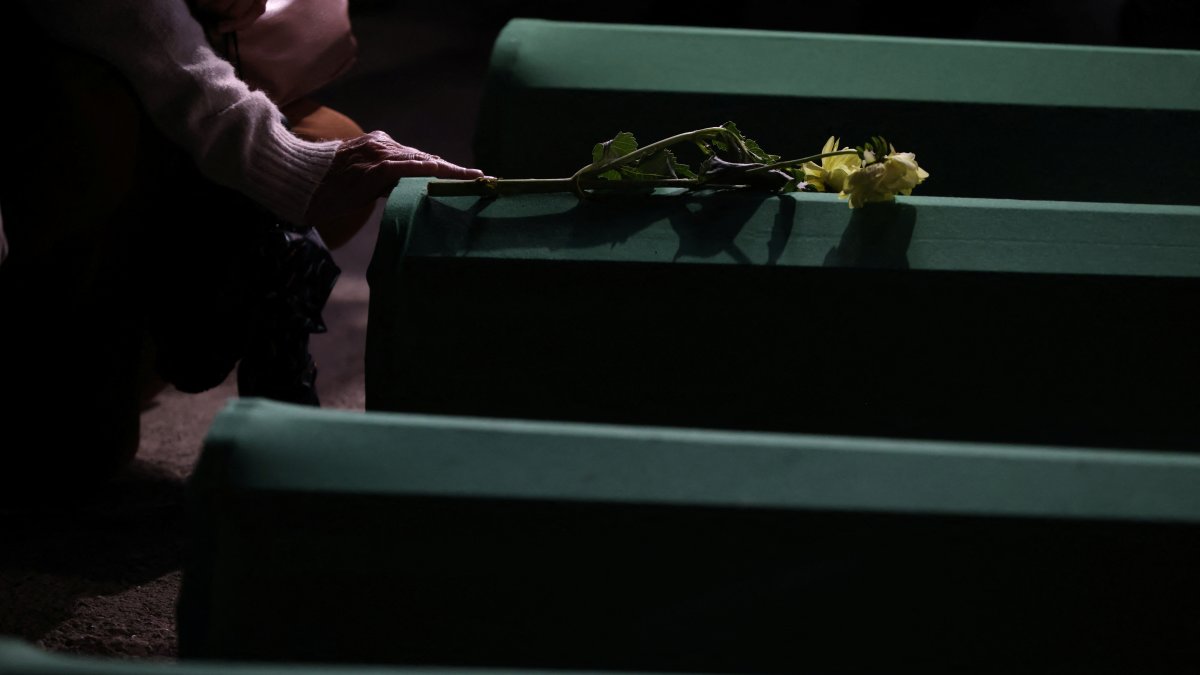
In the town of Bratunac, 6 miles (10km) north of Srebrenica town, a group burial was performed recently of victims’ remains that had been identified over the course of the preceding year. Imams gathered from across the country to pray before a line of six coffins draped in the blue and gold Bosnian flag.
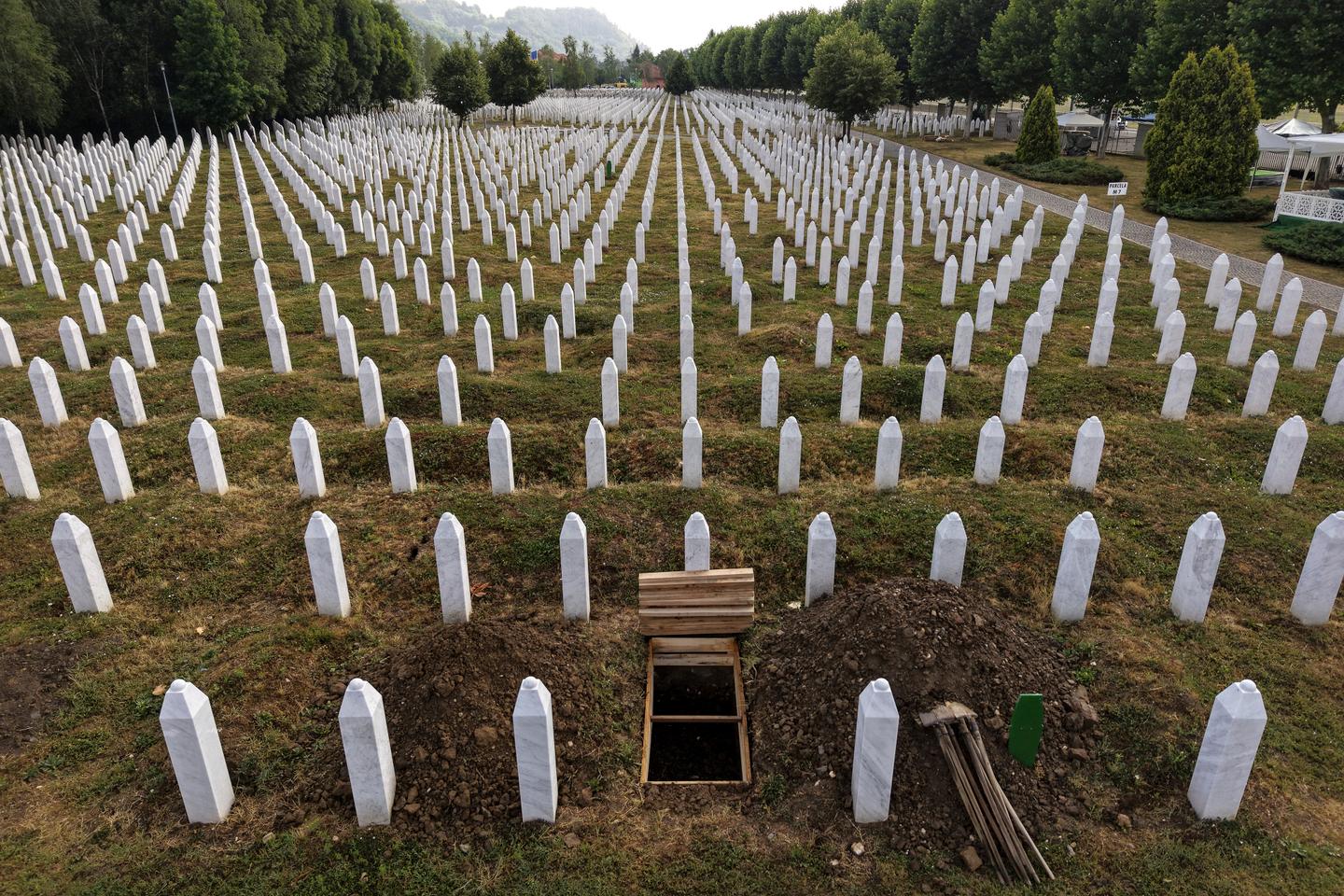
A crowd of about a thousand Bosniaks gathered in the surrounding graveyard, where a backhoe had carved out six new holes, one of them just a small trench to accommodate the body of a one-year-old, Almera Paraganlija, killed alongside her mother, Zineta, by Bosnian Serb gunmen when they rampaged through the village of Joševa.