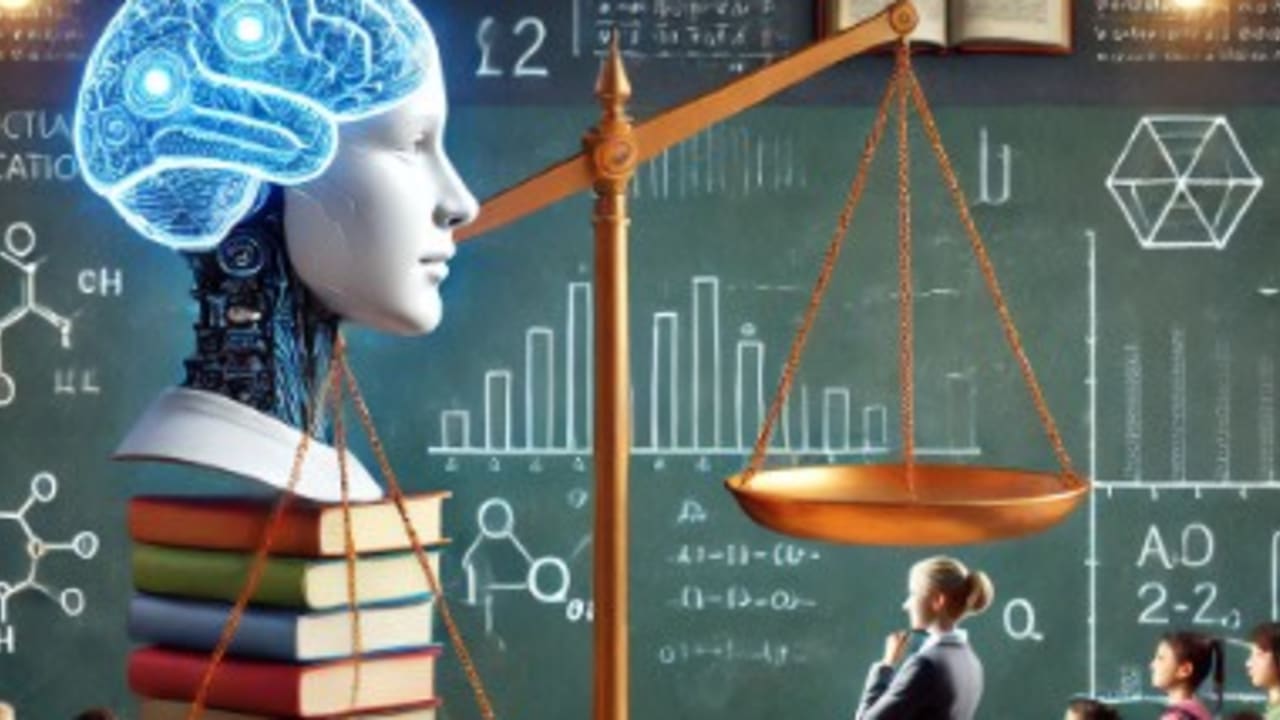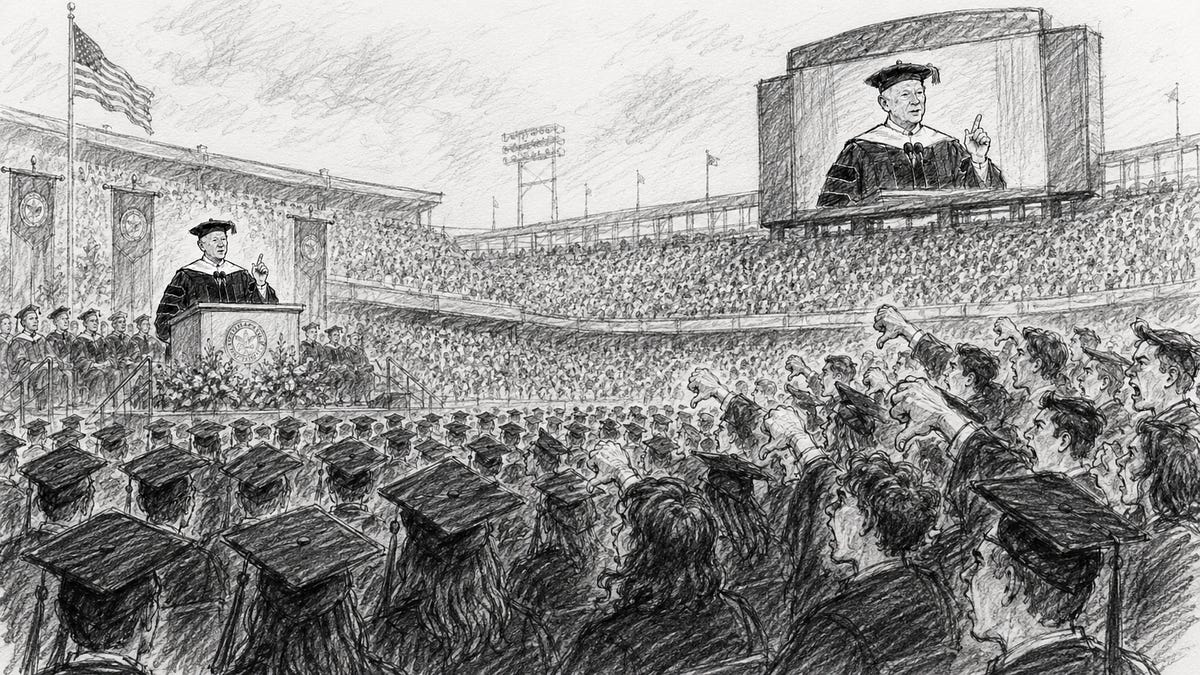
Generative artificial intelligence (Gen AI) has been the most disruptive force to hit education in a long time, and educators are still absorbing the impact. My colleagues and I have had to reprogram our approaches and classroom assessments as Gen AI infiltrates every aspect of the academic setting.
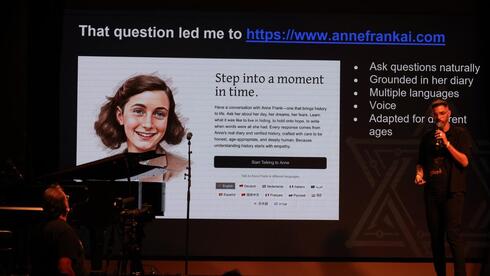
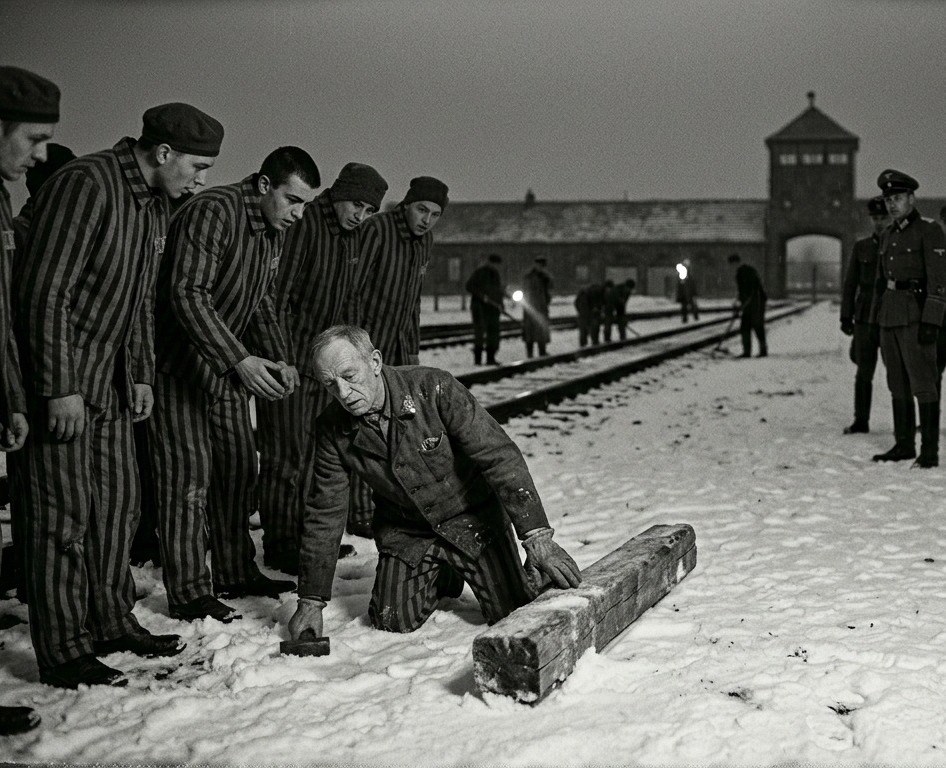
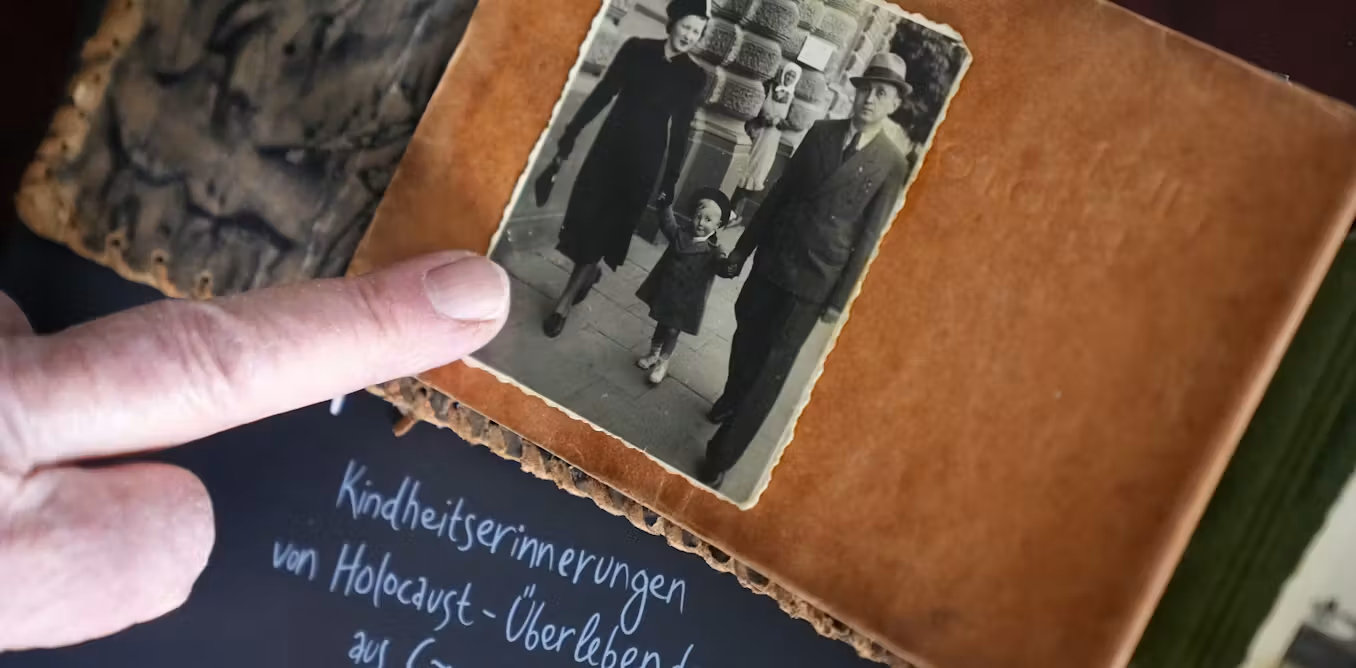
I was not ready to have Gen AI affect my work with Holocaust education. I’ve come to believe that the risk of harmful outcomes using Gen AI to recreate images or scenes from the Holocaust outweigh the potential educational benefits. And I’m not alone.
In a 2024 report titled “AI and the Holocaust: rewriting history?”, UNESCO warned that AI could be used to fabricate realistic images or videos casting doubt on whether the Holocaust occurred — a phenomenon that could fuel greater antisemitism.
And in 2025, the Auschwitz-Birkenau Memorial Museum argued that using AI to generate fictional images of Auschwitz victims “is not a tribute — it is a profound act of disrespect to the memory of those who suffered and were murdered” and that it “undermines the integrity of historical truth.”
The ethics of duplication