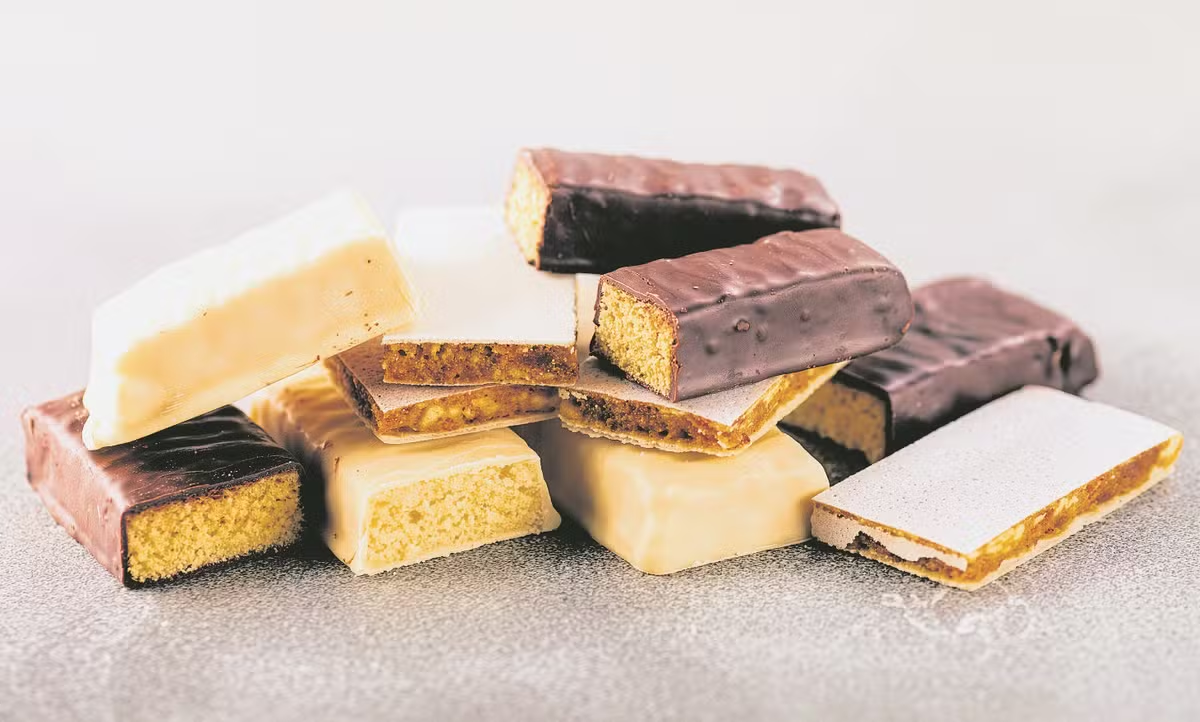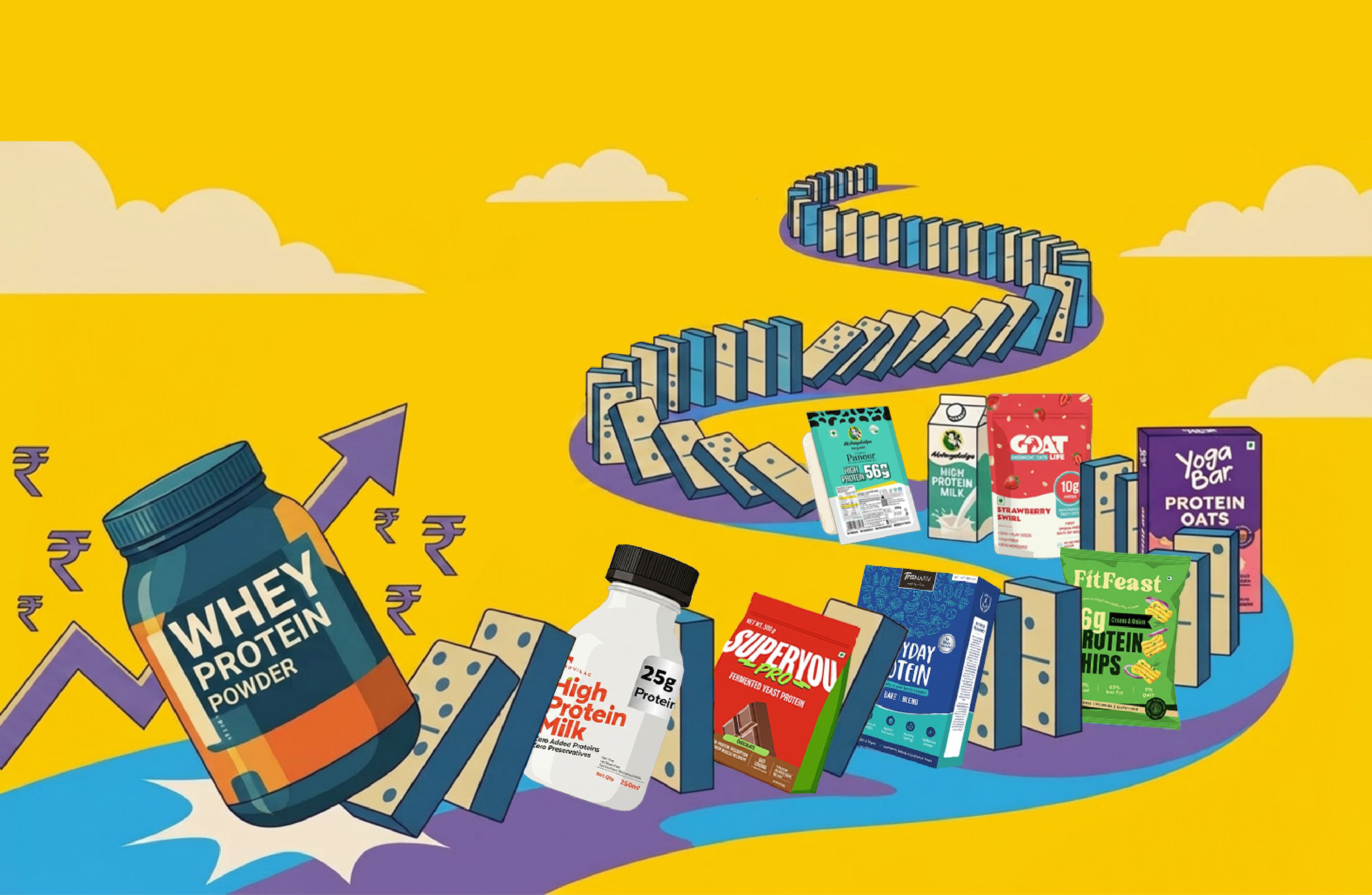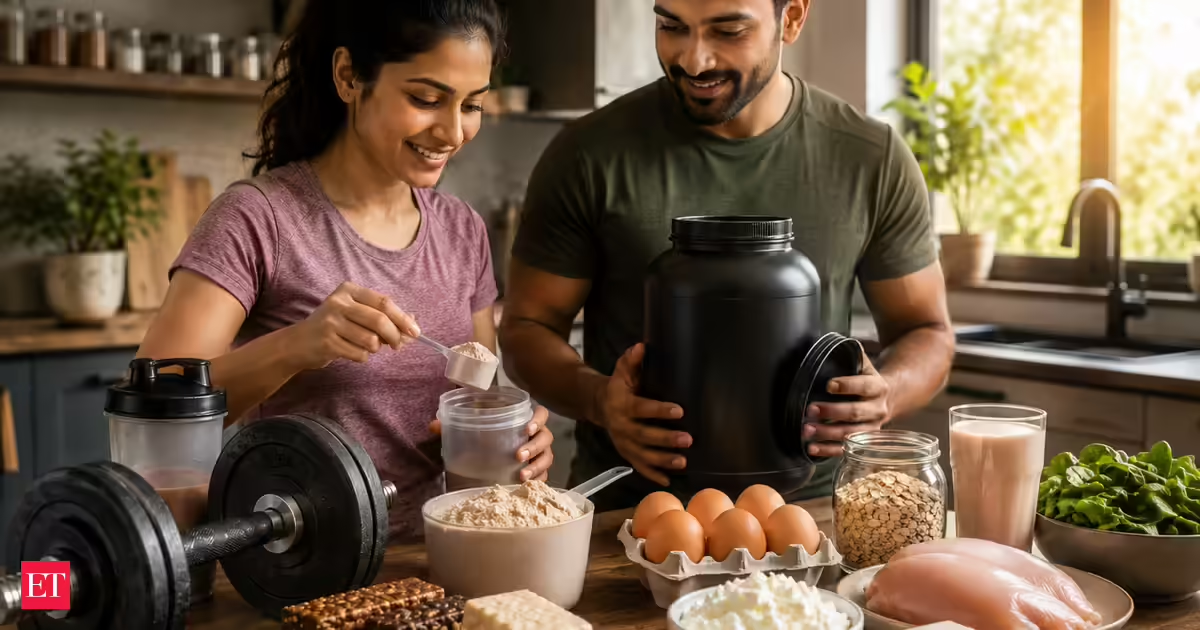
India’s growing fixation with high-protein diets is rapidly reshaping grocery baskets, with consumers increasingly ordering everything from whey powders and Greek yogurt to protein chips, shakes and fortified breakfast products through quick commerce platforms.Instamart, the quick commerce arm of Swiggy, said protein-related orders on its platform have jumped 150% over the last two years, pointing to a wider shift in eating habits as more Indians move towards health-focused and protein-heavy consumption.Also Read: India’s protein boom runs into a whey crisisWhile Bengaluru remains the country’s largest market for protein purchases, the fastest growth is now coming from smaller cities. According to Instamart, Tier II and smaller cities are expanding more than 200% faster than metros in protein consumption, with Nagpur, Jaipur, Chandigarh, Bhubaneswar, Guwahati and Visakhapatnam leading the trend.“We are seeing a move from an 'essentials' basket to an 'aspirational' one, where 'better-for-you' is the new baseline,” Hari Kumar G, Chief Business Officer - Instamart, said.The growing appetite for protein-rich products comes even as the global market faces supply pressures. As protein shakes, bars and high-protein snacks move from fitness-focused consumers to mainstream households, India’s protein boom is colliding with an international supply crunch.Traditional staples continue to dominate Indian protein consumption. Protein eggs and protein paneer remain the most ordered products on Instamart, followed by chicken, chickpeas, Greek yogurt, protein bars, makhana, oats, protein milkshakes and protein snacks.Among categories, protein snacks posted the fastest growth at 300%. Protein yogurt rose about 280%, led by Greek yogurt, with nearly two out of every three users who searched for it eventually adding it to their carts, Instamart said.Instamart said more than six in ten consumers searching for high-protein eggs, protein chips or high-protein paneer directly completed purchases. Protein milk and shakes grew 225%, showing that these products are increasingly becoming part of routine diets rather than niche fitness purchases.Demand for plant-based protein products also climbed sharply. Soya chunks more than doubled while tofu sales rose nearly 87%.Peanut butter emerged as the most searched protein-related term on the platform, followed by Greek yogurt. Protein bread recorded the highest search-to-checkout conversion rate.Traditional Indian ingredients are also being repositioned through a protein lens. Instamart said makhana, chana sattu, besan and roasted chana witnessed strong growth. Protein wafers emerged as a fast-growing impulse-buy category despite barely existing a year ago, while sprouted millets and oat-based mixes gained traction as consumers increasingly brought protein into breakfast meals and not just post-workout diets.The biggest protein shopping carts came from across the country. A Chennai-based customer spent ₹2,71,385 largely on peanut-based protein staples. In other large purchases, customers in Mumbai spent ₹22,000, Delhi ₹21,500 and Surat ₹20,500, mostly on whey protein products. Separately, a Bengaluru user spent ₹2,09,626 on protein bars alone.The platform also tracked distinct ordering patterns. The peak ordering window for protein products was between 7 am and 11 am, driven largely by breakfast demand. A second spike was seen later in the afternoon and evening, linked to meal planning and post-workout consumption. Instamart also pointed to growing late-night demand between midnight and 4 am, calling it an emerging behaviour among consumers.
India’s kitchens turn into mini gyms as protein orders soar 150%
India's embrace of high-protein diets is transforming grocery habits, with quick commerce platforms seeing a 150% surge in protein-related orders over two years. This trend is rapidly expanding beyond metros, with smaller cities showing over 200% faster growth in protein consumption, indicating a shift towards 'better-for-you' eating.
514 words~2 min read